
-
 Kphb Branch
+91 9111674111
-
Tarnaka Branch
+91 9100001201
- Book Appointment
+91 9111674111
+91 9100001201
Urology
Start with an assessment of symptoms and whether surgery is needed. For KPHB Dr. Davalla Sandeep, call +91 9111674111. For Tarnaka Dr. Jayanth Reddy, call +91 9100001201. Confirm the doctor, branch, slot, fee and procedure arrangements before travelling; an appointment enquiry does not confirm a particular technique.
Book a Urology Consultation Explore Treatment OptionsPhimosis is tightness of the foreskin that prevents normal retraction over the glans.

In young children, a foreskin that does not yet retract can be normal and may loosen with development. Do not force it back. Pain, infections, scarring or urinary problems need assessment; adult tightness may have a different cause and treatment plan.
In adults, symptoms may include difficulty retracting the foreskin, pain with erections or sexual activity, painful urination, recurrent inflammation and problems maintaining normal hygiene. A urologist can determine whether the tightness is physiological, inflammatory or scar-related.
Adult phimosis may develop from inflammation, infection, scarring or skin disease.
Recurrent inflammation of the glans or foreskin can contribute to swelling and tightening.
Scarring can make the foreskin less flexible and progressively more difficult to retract.
Eczema, psoriasis and lichen sclerosus can affect penile skin and contribute to tightening.
Difficulty cleaning beneath a tight foreskin may contribute to recurrent irritation or infection.
Some people with diabetes may experience recurrent genital infections, which can contribute to inflammation and scarring.
Repeated episodes of inflammation or injury may increase the likelihood of persistent tightness.
Symptoms vary with the degree of tightness and whether inflammation or infection is present.

A physical examination is usually the main step in diagnosing phimosis.

A urologist assesses whether the foreskin can be retracted, whether there is scarring, inflammation, infection or an underlying skin condition, and whether urination is affected.
Conservative treatment may be suitable for some patients; others may benefit from circumcision.
Prescription topical corticosteroids may help selected patients by reducing inflammation and improving foreskin flexibility.
Important: Use only under medical guidance, particularly when infection or scarring is present.
Only use a clinician-directed approach when appropriate. Do not force a child’s foreskin back or stretch painful, cracked or scarred skin yourself; this can worsen injury.
A surgeon may use laser energy during foreskin removal in selected cases. Ask what “laser” means in the proposed operation, its alternatives and current availability; the term does not guarantee less pain, faster healing or no complications.
A circumcision stapler can remove the foreskin and approximate the wound edges. The surgeon discusses device choice, benefits and limitations before surgery.
ZSR refers to a circumcision device/system rather than laser treatment. Ask for the exact product, whether it is suitable for your anatomy and condition, device costs and follow-up arrangements; this page does not confirm stock or suitability.
Conventional surgical circumcision remains an option. Technique selection should be based on clinical need, surgeon experience and patient preference.
Different techniques have different equipment, operative approaches and aftercare requirements.
| Option | General approach | What patients should discuss |
|---|---|---|
| Laser | Laser energy is used during surgical removal of the foreskin. | Bleeding control, anesthesia, wound care, expected healing and suitability for the patient's anatomy. |
| Stapler | A circumcision stapler cuts and approximates the foreskin edges. | Device used, staple management, wound care, expected swelling and follow-up. |
| ZSR | A named device/system used for foreskin cutting and wound closure; confirm the specific product. | Whether the device is appropriate, total cost, postoperative care and surgeon experience. |
| Traditional | Conventional surgical excision and suturing of the foreskin. | Surgical technique, anesthesia, wound care, recovery and individual risk factors. |
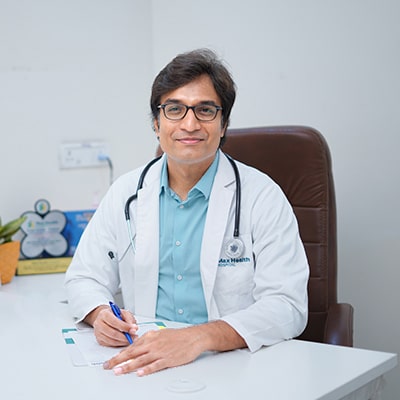
Dr. Jayanth Reddy is listed at Tarnaka with MBBS, MS, DNB (Urology), FMAS and 12+ years of experience. Call +91 9100001201 to confirm the appointment. At KPHB, Dr. Davalla Sandeep is listed with MBBS, MS, MCh (Urology), 10+ years, 12:00 PM–1:00 PM; call +91 9111674111. Ask which clinician and facility will provide any proposed procedure.
Book ConsultationHealing often takes several weeks; the operating team should give an individual plan for wound care, work, exercise and sexual activity. An early return to a desk job does not mean the wound is fully healed.
Ask for written cleaning, dressing and medicine instructions and a contact for postoperative concerns. Do not apply unprescribed creams or remove devices yourself.
Swelling and tenderness can occur. Follow activity restrictions and discuss time off work, transport after anesthesia and help at home.
Attend follow-up appointments so healing and any sutures, staples or other devices can be reviewed.
Avoid sex and masturbation until the wound has fully healed and the surgeon’s minimum restriction period has passed. Ask for specific advice rather than relying on a device or “laser” label.
The final cost depends on the procedure, anesthesia, surgeon, facility and patient-specific requirements.
Request a written estimate after the clinician recommends a procedure. Ask whether the amount includes the device, anesthesia, facility charges, investigations, medicines, dressings, follow-up and any staple or device review. No current fixed fee is published here.
For KPHB call +91 9111674111; for Tarnaka call +91 9100001201. Describe the concern and age, and confirm the doctor, branch, appointment time and fee.
H.No 15-24-212, MIG-212, Road Number 1, KPHB Phase 1, Kukatpally Housing Board Colony, Hyderabad, Telangana 500072.
H.No 12-5-30, White House, Moula Ali Road, South Lalaguda, Tarnaka, Secunderabad, Telangana 500017. See the Tarnaka circumcision page for branch information.
Bring prescriptions, relevant diabetes or other reports, details of earlier foreskin treatments, allergies and your medicine list. Mention bleeding problems, blood thinners and previous anesthesia reactions.
Do not stop blood thinners or other prescribed medicines yourself. A planned procedure may need individualized medicine and fasting instructions; ask the treating team.
Ask about the reason for treatment, alternatives, permanent removal of the foreskin, changes in appearance or sensation, bleeding, infection, wound problems and possible further treatment.
Ask the operating team which technique is proposed, why it suits your condition, the exact device if any and its availability. Obtain a written itemised estimate and follow-up plan.
No. Eligibility depends on the medical indication, hospital network, policy terms and insurer or TPA approval. Ask about pre-authorization, exclusions, deposits and non-payable charges.
For Tarnaka call +91 9100001201; for KPHB call +91 9111674111. Confirm the doctor, branch, slot and fee. For emergencies such as trapped foreskin or inability to pass urine, seek immediate care instead of waiting for a callback.
Call +91 91000 01201Medical Disclaimer: This page is for general educational information and does not replace an in-person medical evaluation. Phimosis treatment and circumcision decisions should be made with a qualified healthcare professional. Procedure availability, doctor schedules, prices and hospital services can change, so confirm current details directly with My Health Hospitals.
Patient references: NHS tight foreskin; NHS circumcision; BAUS patient leaflet.
Find Our Kukatpally and Tarnaka Branches
H.No 15-24-212, MIG-212, Rd Number 1, K P H B Phase 1, Kukatpally, Hyderabad, Telangana 500072
H.No:-12-5-30, WhiteHouse, Moula Ali Rd, South Lalaguda, Tarnaka, Secunderabad, Telangana 500017