My Health Hospitals logo

Vascular

Vascular Surgeon in hyderabad

Vascular

Home  /  Vascular Surgery
Vascular Surgery • Hyderabad

Vascular Surgeon in Hyderabad Kukatpally

Vascular specialists diagnose and treat conditions affecting the arteries and veins. At My Health Hospitals, Kukatpally, patients can seek evaluation for conditions such as varicose veins, DVT, peripheral artery disease, diabetic foot problems related to circulation, and dialysis access concerns.

AI Overview / Quick Answer

What does a vascular surgeon in Hyderabad do?

A vascular surgeon in Hyderabad evaluates diseases of the arteries and veins and recommends treatment based on symptoms, examination, blood-flow testing and imaging. Care can range from medicines and risk-factor management to endovascular procedures or open surgery.

Common reasons for vascular consultation include varicose veins, DVT, peripheral artery disease, non-healing diabetic foot wounds, aneurysms, carotid artery disease and dialysis access problems such as AV fistula complications. Not every condition requires surgery.

FocusArteries, veins and blood-flow disorders
Common testDoppler / duplex ultrasound when indicated
TreatmentMedical, endovascular or surgical care
LocationKukatpally, Hyderabad
Conditions

What Conditions Does a Vascular Surgeon Treat?

The correct treatment depends on the diagnosis, severity, anatomy and overall health.

01

Varicose Veins

Enlarged, twisted veins can cause aching, heaviness, swelling or skin changes. Duplex ultrasound may help guide treatment.

02

Deep Vein Thrombosis

DVT is a deep-vein blood clot that needs prompt medical evaluation because pulmonary embolism can occur.

03

Peripheral Artery Disease

Narrowed limb arteries can reduce blood flow and may cause walking-related pain, cold feet or non-healing wounds.

04

Diabetic Foot & Wounds

Reduced circulation can contribute to poor wound healing. Vascular assessment may be important when ulcers do not heal.

05

AV Fistula Problems

Vascular surgeons may create or manage dialysis access and evaluate problems affecting fistula blood flow.

06

Aneurysm & Carotid Disease

Selected arterial conditions require imaging and individualized decisions about monitoring, medical treatment or intervention.

Patient Guide

When Should You See a Vascular Specialist?

These symptoms do not always mean vascular disease, but they can justify medical evaluation.

Symptoms That May Need Evaluation

  • Persistent or symptomatic varicose veins
  • Unexplained leg swelling
  • Leg pain or cramping while walking
  • Cold, pale or unusually discolored feet
  • Numbness or weakness associated with circulation symptoms
  • Non-healing wounds, especially with diabetes
  • Known arterial or venous disease
  • Problems with dialysis access
Urgent symptoms: sudden severe limb pain, a cold or pale limb, sudden neurological symptoms, chest pain or sudden breathlessness require urgent medical attention rather than a routine appointment.

What Happens During Evaluation?

  1. Symptoms and medical history are reviewed.
  2. Pulse, skin and circulation findings are assessed.
  3. Vascular testing is selected when clinically indicated.
  4. The diagnosis and treatment choices are explained.
  5. Follow-up is planned according to the condition.

Important: the presence of a vascular symptom does not automatically mean that surgery is needed.

Diagnosis

Vascular Tests and Diagnosis

Testing is selected according to the suspected artery or vein problem.

1

Clinical Exam

Symptoms, pulses, skin changes and medical history are reviewed.

2

Doppler

Ultrasound can assess blood flow in selected veins and arteries.

3

ABI

An ankle-brachial index can help assess lower-limb arterial disease.

4

CTA / MRA

Cross-sectional vascular imaging may be used for selected cases.

5

Treatment Plan

Findings are combined with symptoms to choose appropriate care.

Vascular Care

Our Expertise

Explore detailed information about the vascular conditions and services covered by our department.

Deep Vein Thrombosis

Deep Vein Thrombosis

Deep vein thrombosis is a blood clot in a deep vein, commonly affecting the leg. Prompt assessment is important when DVT is suspected.

Read More
AV Fistula

AV Fistula

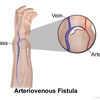
An AV fistula connects an artery and vein to provide vascular access for patients receiving hemodialysis.

Read More
Diabetic Foot Ulcer

Diabetic Foot Ulcers

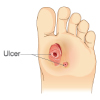
Diabetic foot wounds may need assessment of circulation, wound status and infection risk, particularly when healing is delayed.

Read More
Varicose Veins Treatment in Hyderabad

Varicose Veins

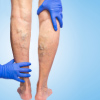
Varicose veins are enlarged, twisted veins that may cause aching, heaviness, swelling or skin changes. Treatment depends on evaluation.

Read More
Peripheral Vascular Disease

Peripheral Vascular Disease

Peripheral vascular disease can affect blood flow to the limbs. Evaluation helps determine whether medical or revascularization treatment is appropriate.

Read More
Treatment Options

Vascular Surgery and Endovascular Treatments

Not every patient needs an operation. Treatment is individualized after assessment.

Varicose Vein Procedures

Selected patients may be considered for sclerotherapy, endovenous laser treatment, radiofrequency ablation or other vein procedures.

Angioplasty & Stenting

Catheter-based treatment can widen selected narrowed arteries; stent placement may be considered in appropriate cases.

Bypass Surgery

For selected severe arterial disease, bypass can create an alternative route for blood flow around a blockage.

AV Fistula Creation

An AV fistula provides vascular access for hemodialysis and requires appropriate planning and follow-up.

Wound & Diabetic Foot Care

When circulation is impaired, vascular treatment may form one part of multidisciplinary wound and diabetes care.

Medical Management

Medicines, exercise, smoking cessation, diabetes and blood-pressure control may be important depending on the condition.

ConditionCommon assessmentPossible treatment approach
Varicose veinsClinical exam + venous duplexConservative care, sclerotherapy or endovenous treatment when indicated
PADPulse exam, ABI, vascular imagingRisk-factor management, medicines, exercise, endovascular treatment or surgery when indicated
DVTClinical assessment + venous ultrasoundPrompt medical treatment; selected cases may need specialist intervention
Non-healing diabetic woundWound + circulation assessmentWound care, infection management and vascular treatment when reduced blood flow contributes
Dr. Puneeth Joopalli, vascular surgeon in Hyderabad
Vascular Specialist

Dr. Puneeth Joopalli

MBBS, MS General Surgery, DNB Vascular Surgery (NIMS)

Dr. Puneeth Joopalli is listed by My Health Hospitals as a vascular surgery specialist associated with the Kukatpally facility. Patients can discuss symptoms, previous reports and treatment options during a consultation.

  • Vascular and endovascular evaluation
  • Varicose vein and venous disease assessment
  • Arterial circulation assessment
  • Dialysis access / AV fistula care
  • Vascular evaluation of selected diabetic foot problems

Vascular Surgeon in Kukatpally, Hyderabad

If you are searching for a vascular surgeon in Hyderabad or a vascular specialist near Kukatpally, start by identifying the problem you need evaluated. Bring previous Doppler scans, imaging, prescriptions and relevant medical records when available.

LocationMy Health Hospitals, Kukatpally, Hyderabad
Common searchesVascular surgeon Hyderabad • vascular specialist near me • vascular doctor Kukatpally
Before visitingConfirm consultation timing, doctor availability and required reports with the hospital.
PAA / AEO

Vascular Surgeon in Hyderabad: Frequently Asked Questions

Direct answers to common patient questions about vascular symptoms, diagnosis, procedures and cost.

A vascular surgeon evaluates and treats diseases of the arteries and veins. Common problems include varicose veins, deep vein thrombosis (DVT), peripheral artery disease (PAD), aneurysms, carotid artery disease, diabetic foot problems related to circulation, and dialysis access conditions.
Seek vascular evaluation for persistent or symptomatic varicose veins, unexplained leg swelling, walking-related leg pain, cold or discolored feet, non-healing wounds, suspected DVT, known peripheral artery disease, or problems with an AV fistula or other dialysis access.
Symptoms can include leg pain with walking, cramping, numbness, weakness, cold feet, skin color changes, swelling, or wounds that heal slowly. The cause needs medical assessment because circulation symptoms can overlap with other conditions.
PAD occurs when arteries supplying the limbs become narrowed or blocked, reducing blood flow. Treatment can include risk-factor management, medicines, structured exercise therapy and, for selected patients, endovascular or surgical revascularization.
DVT is a blood clot in a deep vein, often in the leg. It requires prompt medical assessment because a clot can sometimes travel to the lungs and cause a pulmonary embolism.
A clinician examines the legs and may recommend a venous duplex ultrasound to assess blood flow and the veins involved. Treatment is selected according to symptoms, vein anatomy and clinical findings.
Depending on the condition, treatment may include activity and lifestyle measures, compression therapy, sclerotherapy, endovenous thermal treatment such as laser or radiofrequency ablation, or other procedures when indicated.
Yes. Endovenous laser treatment can close selected refluxing veins from inside the vessel. Whether it is appropriate depends on the vein anatomy, symptoms and ultrasound findings.
An arteriovenous fistula connects an artery and vein to provide vascular access for hemodialysis. It needs regular care and assessment to help maintain adequate blood flow and identify complications early.
Yes. When reduced blood flow contributes to a diabetic foot wound, vascular assessment can help determine whether circulation needs to be improved. Wound care, infection management, diabetes control and vascular treatment may all be part of care.
Depending on the suspected condition, tests may include Doppler or duplex ultrasound, ankle-brachial index (ABI), CT angiography, MR angiography and other vascular investigations.
Angioplasty is an endovascular procedure that uses a catheter and balloon to widen a narrowed artery. A stent may be used in selected cases depending on the artery, disease pattern and treatment plan.
Bypass surgery may be considered for selected patients with significant arterial blockage when an open bypass is appropriate. The decision depends on symptoms, anatomy, disease severity and other treatment options.
Yes. Some vascular conditions can be managed without an operation using medicines, exercise, risk-factor control, compression when appropriate and wound care. Procedures are considered when the clinical situation requires them.
All medical procedures have potential risks. The risk depends on the disease, procedure, anesthesia and the patient's overall health. A vascular surgeon should explain expected benefits, alternatives and procedure-specific risks before treatment.
Recovery varies widely. A minimally invasive procedure may have a shorter recovery than open vascular surgery, but the timeline depends on the exact treatment, overall health and postoperative course.
There is no single fixed price. Cost depends on the procedure, investigations, anesthesia, hospital stay, consumables and individual treatment needs. A procedure-specific estimate is more useful after clinical assessment.
No. Many varicose veins do not require surgery. Treatment depends on symptoms, complications, vein anatomy and the findings of clinical examination and ultrasound.
Bring previous scans, Doppler or blood-test reports, medication details and information about relevant medical conditions such as diabetes, hypertension, kidney disease or previous vascular procedures.
Contact My Health Hospitals to confirm the current consultation schedule, doctor availability, required reports and appointment process before visiting the Kukatpally facility.

Medical information on this page is intended for general education and does not replace an individual clinical assessment. Emergency symptoms require urgent medical care.

Our Branch Locations

Find the Best Hospital Near You

My Health Hospitals – Kukatpally

H.No 15-24-212, MIG-212, Rd Number 1, K P H B Phase 1, Kukatpally, Hyderabad, Telangana 500072

Get Directions

My Health Hospitals – Tarnaka

H.No:-12-5-30, WhiteHouse, Moula Ali Rd, South Lalaguda, Tarnaka, Secunderabad, Telangana 500017

Get Directions
My Health Assistant