
-
 Kphb Branch
+91 9111674111
-
Tarnaka Branch
+91 9100001201
- Book Appointment
+91 9111674111
+91 9100001201
ENT Department


An ENT specialist (otolaryngologist) diagnoses and manages conditions involving the ear, nose, throat, head and neck. Patients commonly seek ENT care for hearing loss, ear infections, tinnitus, sinusitis, persistent nasal blockage, recurrent tonsil problems, swallowing difficulty, snoring or sleep-related breathing symptoms, dizziness and persistent voice changes.
If symptoms are recurring or affecting everyday activities, a specialist assessment can help identify the underlying problem rather than treating the symptom alone. The evaluation and treatment plan should be based on the individual's history, examination and, when needed, diagnostic testing.
| What you are experiencing | ENT area to discuss | Possible evaluation |
|---|---|---|
| Ear pain, discharge or blocked ear | Ear infection / middle-ear or outer-ear problem | Ear examination and additional testing when indicated |
| Reduced hearing or ringing in the ear | Hearing loss / tinnitus | Ear examination and hearing assessment |
| Blocked nose for a long time | Nasal obstruction / deviated septum / allergy | Nasal examination and selected investigations |
| Facial pressure, congestion and nasal discharge | Sinusitis | History, nasal examination and testing when clinically indicated |
| Repeated tonsil or throat infections | Tonsil and throat conditions | Throat examination and review of infection pattern |
| Persistent hoarseness | Voice and throat problem | Detailed throat/voice-box assessment when appropriate |
An ENT specialist, also called an otolaryngologist, evaluates conditions affecting the ear, nose, throat, head and neck. An appointment may be appropriate for persistent hearing changes, ear pain or discharge, repeated sinus symptoms, ongoing nasal blockage, recurrent tonsil or throat problems, dizziness or balance symptoms, swallowing difficulty, or persistent hoarseness. The need for tests or treatment depends on the cause, duration and severity of symptoms.
ENT medicine covers a broad range of ear, nose and throat problems. Some conditions improve with medical treatment, while others may require procedures or surgery after appropriate evaluation.
Ear infections can affect different parts of the ear and may cause pain, discharge, fever, fullness or temporary hearing changes.
Hearing difficulty may be related to wax, infection, noise exposure, age-related changes or problems involving the middle or inner ear.
Ringing, buzzing or other sounds without an external source can have several causes and may need hearing and ear assessment.
Congestion, facial pressure, nasal discharge, post-nasal drip and reduced smell can occur with sinus and nasal conditions.
A deviated septum can contribute to persistent nasal obstruction. Treatment depends on symptoms and examination findings.
Recurrent tonsillitis, persistent throat symptoms, swallowing difficulty and ongoing voice changes may need specialist evaluation.
Not every cold, blocked nose or sore throat requires specialist care. An ENT consultation is more useful when symptoms persist, repeatedly return, interfere with hearing, breathing, swallowing, sleep or daily activities, or when a doctor recommends further evaluation.
| Concern | What an ENT evaluation may assess |
|---|---|
| Persistent hearing difficulty | Ear canal, eardrum, middle-ear function and hearing level, depending on the presentation. |
| Repeated ear infections | Possible infection, fluid, Eustachian tube problems and factors contributing to recurrence. |
| Chronic nasal blockage | Allergy, septal deviation, turbinate enlargement, polyps or other nasal causes. |
| Recurrent sinus symptoms | Pattern of symptoms, nasal examination and whether additional testing is appropriate. |
| Persistent hoarseness | Throat and voice-box causes, especially when the change does not settle as expected. |
| Dizziness or imbalance | Whether symptoms suggest an inner-ear cause or need assessment for another medical cause. |
Diagnosis starts with the patient's symptoms, duration, medical history and a focused examination. Tests are selected according to the suspected condition rather than being required for every ENT complaint.
An examination of the ear canal and eardrum can help identify infection, wax, fluid or other visible problems.
Audiometry and other hearing assessments may be used when hearing loss, tinnitus or communication difficulty is reported.
The nose may be examined for inflammation, obstruction, septal deviation, polyps or other structural findings.
Persistent throat or voice symptoms may require a detailed examination of the throat and voice box.
Selected patients with dizziness or vertigo may need vestibular assessment based on their symptoms.
Imaging such as CT may be considered for selected sinus, structural or other problems when clinically indicated.
ENT treatment is individualized. Depending on the diagnosis, care may include medicines, observation, hearing support, allergy management, office-based procedures or surgery. Surgery is not automatically required for chronic ENT symptoms.
| Problem | Possible management approach |
|---|---|
| Ear infection | Management depends on the type and severity of infection; examination helps determine the appropriate treatment. |
| Hearing loss | Cause-specific treatment may include wax removal, medical care, hearing aids or selected surgical options. |
| Sinusitis | Medical management is commonly considered first; selected persistent or structural cases may require procedures. |
| Deviated septum | If symptoms are significant and persist despite appropriate medical measures, septal surgery may be discussed. |
| Tonsil problems | Recurrent or complicated tonsil disease may lead to a discussion about tonsillectomy. |
| Voice problems | Treatment depends on the underlying cause and may involve voice care, medicines or specialist procedures. |
Seek urgent medical attention for symptoms such as:
For people searching online for an ENT specialist in Kukatpally, ENT doctor in Hyderabad, ear infection treatment near me or sinus treatment in Kukatpally, the most useful first step is to match the clinic or hospital to the type of problem being evaluated. Bring previous prescriptions, hearing reports, scans and a list of current medicines when relevant.
For children, older adults and people with long-standing medical conditions, mention age, existing illnesses and previous ENT procedures during the consultation. This can help the clinician interpret symptoms and choose appropriate tests or treatment.
ENT care is not limited to ear infections or sinusitis. Persistent hearing changes, nasal obstruction, recurrent throat problems, dizziness, swallowing difficulty and ongoing voice changes can all have different causes. A focused ENT examination helps determine whether observation, medical treatment, testing, a procedure or surgery is appropriate.
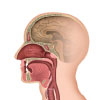
Ear infections affecting the outer, middle, or inner ear can cause pain, discharge, fever, and hearing difficulty if untreated.
READ MORE
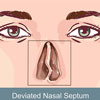
A deviated nasal septum can cause breathing difficulty, nasal blockage, headaches, and frequent sinus infections.
READ MORE

Sinusitis causes facial pain, nasal congestion, headache, and post-nasal drip and can be treated with medications or minimally invasive surgery.
READ MORE
An ENT specialist treats conditions affecting the ear, nose, throat, head and neck, including ear infections, hearing problems, sinus disorders, nasal blockage, tonsil conditions, voice problems and selected balance disorders.
Consider an ENT consultation for persistent or recurrent ear pain, hearing changes, nasal blockage, sinus symptoms, throat problems, swallowing difficulty, dizziness or ongoing voice changes.
Repeated ear infections can have different causes, including infection, fluid behind the eardrum, Eustachian tube problems and contributing upper-airway or allergy-related conditions. An examination helps identify the cause.
Common symptoms can include nasal congestion, facial pressure or pain, nasal discharge, post-nasal drip, headache and reduced sense of smell. Persistent or severe symptoms should be evaluated.
No. Surgery is generally considered when a deviated septum causes significant persistent symptoms and appropriate medical measures have not provided enough relief. The decision depends on examination findings.
Hearing loss may be associated with earwax, infections, noise exposure, age-related changes, problems of the middle or inner ear, or other medical conditions. Testing helps determine the type and cause.
Treatment depends on the cause and may include wax removal, treatment of infection or other medical conditions, hearing aids, selected procedures, cochlear implants in appropriate cases, or surgery.
Tonsillectomy may be considered for selected patients with recurrent or severe tonsil disease, complications, or significant sleep-related breathing problems. The decision is based on the clinical history and examination.
ENT evaluation and treatment are commonly provided to children. The tests, medicines and procedures are selected according to the child's age, symptoms, diagnosis and overall health.
You can contact the hospital directly to ask about ENT consultation availability and appointment scheduling. Bring previous reports or prescriptions when relevant.
They are terms for the same medical specialty. ENT stands for ear, nose and throat, while otolaryngology is the formal name of the specialty.
Yes. Blocked-ear symptoms can be assessed for causes such as wax, infection, fluid, Eustachian tube dysfunction or hearing-related problems. Treatment depends on the cause.
Sinus inflammation can be associated with facial pressure or pain and headache, particularly with nasal symptoms. However, headaches have many possible causes, so persistent symptoms should be assessed.
Possible causes include allergies, nasal inflammation, a deviated septum, enlarged turbinates, nasal polyps and other structural or inflammatory conditions.
Persistent or bothersome tinnitus can be evaluated by an ENT specialist, often with a hearing assessment. Sudden hearing loss with tinnitus requires prompt medical attention.
Depending on the symptoms, an ENT specialist may recommend an ear examination and hearing tests such as audiometry. Additional tests are selected according to the suspected cause.
Yes. ENT specialists can evaluate selected balance and inner-ear conditions. Because dizziness can have many causes, the assessment may also consider non-ear causes when appropriate.
Persistent, recurrent or unexplained throat symptoms, swallowing difficulty, repeated tonsillitis or ongoing voice changes may warrant an ENT assessment.
ENT specialists may evaluate structural and upper-airway factors contributing to snoring or sleep-related breathing problems. Further sleep evaluation may be needed depending on the symptoms.
My Health Hospitals' ENT department is presented on this page for patients seeking ear, nose and throat evaluation in Kukatpally, Hyderabad. Appointment availability can be confirmed directly with the hospital.
Find the Best Hospital Near You
H.No 15-24-212, MIG-212, Rd Number 1, K P H B Phase 1, Kukatpally, Hyderabad, Telangana 500072
H.No:-12-5-30, WhiteHouse, Moula Ali Rd, South Lalaguda, Tarnaka, Secunderabad, Telangana 500017