
-
 Kphb Branch
+91 9111674111
-
Tarnaka Branch
+91 9100001201
- Book Appointment
+91 9111674111
+91 9100001201
General Medicine


If you are searching for a diabetes specialist in Hyderabad, the right doctor can help evaluate abnormal blood sugar, diabetes symptoms, HbA1c results and ongoing treatment needs. Dr. C.H. Srujith is a General Physician and Diabetologist at My Health Hospitals who provides evaluation and long-term diabetes care.
Diabetes management is more than treating one high glucose reading. A consultation may involve reviewing symptoms, medical history, current medicines, glucose records, HbA1c and other relevant tests. The treatment plan depends on the type of diabetes, age, pregnancy status when relevant, other medical conditions and the risk of complications.
At My Health Hospitals, Hyderabad, diabetes care includes assessment and follow-up for type 1 diabetes, type 2 diabetes, gestational diabetes and prediabetes, along with medication review, nutrition and lifestyle guidance, glucose monitoring and appropriate complication screening.
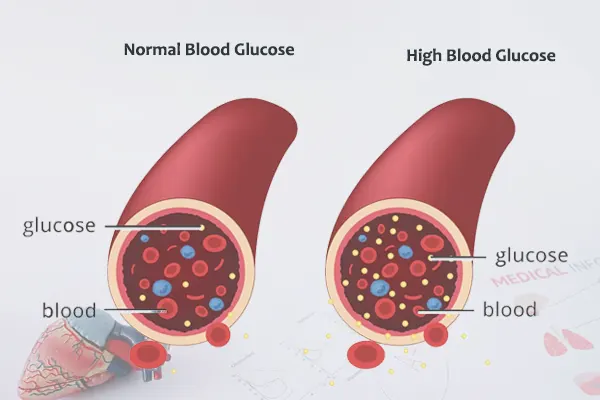
Diabetes is a metabolic condition in which blood glucose remains above the healthy range because the body does not make enough insulin, does not use insulin effectively, or both. Some people develop clear symptoms, while type 2 diabetes may remain unnoticed for years.
Type 1 diabetes is an autoimmune condition in which insulin-producing pancreatic beta cells are destroyed. People with type 1 diabetes need insulin replacement and regular glucose monitoring.
Type 2 diabetes occurs when the body becomes less responsive to insulin and insulin production may become insufficient over time. Management can include nutrition, physical activity, weight management when appropriate, medicines, insulin for some people and glucose monitoring.
Gestational diabetes is diabetes first diagnosed during pregnancy. It needs pregnancy-appropriate glucose monitoring and nutrition guidance, with medication or insulin when indicated. Post-pregnancy follow-up is also important.
Prediabetes means blood glucose is higher than normal but below the diabetes range. It often causes no obvious symptoms. Appropriate lifestyle changes and follow-up can reduce the likelihood of progression to type 2 diabetes for many people.
Diabetes needs ongoing review because glucose patterns, medicines and health risks can change. Follow-up may include HbA1c review and assessment of blood pressure, cholesterol, kidney, eye, nerve and foot health when appropriate.
Diabetes and prediabetes are major global health concerns. According to the International Diabetes Federation (IDF) and the Centers for Disease Control and Prevention (CDC):
Early diagnosis, proper treatment, and lifestyle management can help control blood sugar levels and prevent serious complications.
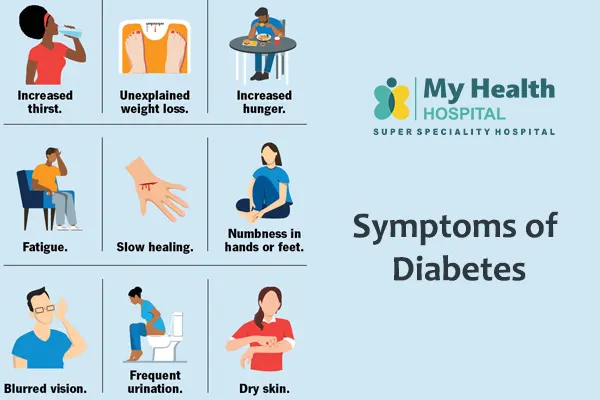
Diabetes symptoms can develop gradually and may be mild or absent, especially in type 2 diabetes. Common symptoms that should prompt medical evaluation include:
If you notice any of these symptoms, it is important to consult a qualified healthcare professional for proper evaluation and blood sugar testing. Early diagnosis and treatment can help manage diabetes effectively and prevent long-term complications.
Understanding the causes and risk factors of diabetes helps in early prevention and better health management. Certain factors like genetics cannot be controlled, but lifestyle choices play an important role.
Type 1 diabetes is not currently preventable. For type 2 diabetes, healthy eating, regular physical activity, weight management when appropriate, and recommended screening can help reduce risk. Maintaining a healthy lifestyle plays a key role in controlling blood sugar levels and improving overall health.

Maintaining a healthy weight improves insulin sensitivity and helps regulate blood sugar levels.
Regular physical activity can improve insulin sensitivity and support blood glucose management, although activity plans should be individualized.
A balanced eating pattern that includes vegetables, whole grains, protein-rich foods and appropriate portions can support diabetes management.
Smoking increases the risk of diabetes and other health complications.
If you drink alcohol, discuss an appropriate amount with your healthcare professional because alcohol can affect blood glucose and interact with some diabetes medicines.
Recommended blood glucose screening can help identify diabetes or prediabetes, particularly in people with relevant risk factors.
Diabetes cannot be diagnosed reliably from symptoms alone. A clinician may use blood glucose testing such as fasting plasma glucose, HbA1c, an oral glucose tolerance test, or a random plasma glucose test in appropriate circumstances. The choice of test depends on the clinical situation.
If you already have laboratory reports, glucose logs or a list of medicines, taking them to the appointment can make the consultation more useful.
Diabetes treatment in Hyderabad should be individualized rather than based on a single “best” medicine or diet. Dr. C.H. Srujith evaluates the diabetes type, glucose pattern, HbA1c, medicines, lifestyle, other health conditions and the presence of complications when planning care.
Depending on the diagnosis, diabetes management may include nutrition counselling, physical activity, weight management when appropriate, oral or injectable medicines, insulin, glucose monitoring and periodic complication screening. Treatment is reviewed over time because diabetes needs ongoing care.
Insulin is required for people with type 1 diabetes and may be recommended in some people with type 2 diabetes or gestational diabetes. The type, timing and dose must be individualized by the treating clinician.
Several classes of diabetes medicines are available. The choice depends on glucose levels, kidney function, cardiovascular or other conditions, side effects, cost and individual treatment goals.
Healthy eating habits, regular physical activity, and weight management play an important role in controlling diabetes and improving overall health.
A glucometer can provide point-in-time glucose readings, while continuous glucose monitoring (CGM) can show glucose patterns throughout the day. Not everyone needs CGM, so the appropriate monitoring method should be discussed with a clinician.
Specialized care for gestational diabetes includes blood sugar monitoring, nutritional counseling, and safe treatment options during pregnancy.
Dr. C.H. Srujith is a General Physician and Diabetologist at My Health Hospitals. For people searching for a diabetes doctor in Hyderabad, the focus of consultation is individualized assessment, appropriate treatment selection, monitoring and long-term follow-up rather than a one-size-fits-all approach.
Diabetes care can be updated as clinical guidance, medicines and monitoring technologies evolve.
Treatment plans are individualized according to diabetes type, glucose results, other health conditions, medicines, lifestyle and patient needs.
Diabetes management considers nutrition, physical activity, medication use, monitoring and other aspects of overall health.
Care may include diagnosis, medication review, glucose monitoring, complication screening and long-term follow-up.
Proper diabetes management can significantly reduce the risk of long-term health complications. Maintaining healthy habits and regular medical checkups helps protect vital organs and improves overall well-being.
Regular glucose monitoring, balanced nutrition, and prescribed medications help keep blood sugar levels stable.
Regular exercise, maintaining a healthy weight, and avoiding smoking and excessive alcohol help improve insulin sensitivity.
Controlling blood pressure, cholesterol, and reducing salt intake helps protect cardiovascular and kidney health.
Regular foot checks, appropriate footwear and prompt assessment of foot wounds can help reduce the risk of serious diabetic foot problems.
Regular eye examinations can help detect diabetic eye disease early; the timing depends on diabetes type, duration and individual risk.
Routine doctor visits, blood tests, and health screenings help detect complications early.
People with uncontrolled diabetes may develop serious health problems affecting different organs of the body. Early diagnosis and proper treatment can significantly reduce these risks.
Persistently elevated blood glucose is associated with vascular damage and a higher risk of cardiovascular and cerebrovascular disease.
Diabetes can contribute to chronic kidney disease. Kidney health is commonly assessed through appropriate blood and urine tests.
Diabetic nerve damage can cause numbness, tingling, burning or pain and may increase the risk of unnoticed foot injuries.
Diabetes can increase the risk of diabetic retinopathy and is also associated with other eye conditions. Regular eye care is important.
Diabetes can increase the risk of delayed wound healing, infections and some oral health problems, particularly when glucose is not well controlled.
Diabetes can be associated with several complications, including nerve, kidney, eye, cardiovascular and foot problems. Persistent or new symptoms should be medically assessed.
Diabetes is a long-term condition that benefits from regular assessment and individualized treatment. If you are looking for a diabetes specialist in Hyderabad, discuss your symptoms, glucose or HbA1c results, medicines, lifestyle and any complications with a qualified doctor. Dr. C.H. Srujith provides diabetes evaluation and ongoing care at My Health Hospitals.
Bring your recent reports and medicine list to your consultation so your diabetes care plan can be reviewed in context.
My Health Hospitals provides diabetes evaluation and follow-up with attention to glucose control, medicines, nutrition, lifestyle factors and screening for complications when appropriate. Patients can discuss diabetes symptoms, prediabetes, blood sugar reports and ongoing treatment needs during a consultation with Dr. C.H. Srujith.
A diabetes specialist is a doctor who evaluates and manages diabetes, prediabetes and related metabolic concerns. Dr. C.H. Srujith is a General Physician and Diabetologist at My Health Hospitals in Hyderabad.
Consider a consultation if you have persistently abnormal glucose or HbA1c results, diabetes symptoms, prediabetes, difficulty managing medicines, recurrent low or high glucose readings, or concerns about diabetes complications.
Common diagnostic tests include fasting plasma glucose, HbA1c, an oral glucose tolerance test and, in appropriate situations, a random plasma glucose test. The right test depends on the clinical context.
HbA1c reflects average blood glucose exposure over roughly the previous two to three months. It is commonly used to diagnose and monitor diabetes, but the result should be interpreted alongside the person’s medical history and other glucose information.
Possible symptoms include increased thirst, frequent urination, increased hunger, unexplained weight loss, fatigue and blurred vision. Type 2 diabetes can also be present without noticeable symptoms.
Some people with type 2 diabetes can manage their condition without insulin, while others may need insulin at some stage. Type 1 diabetes requires insulin. Treatment should be selected according to the diabetes type and individual clinical needs.
Type 2 diabetes treatment may include nutrition changes, physical activity, weight management when appropriate, oral or injectable medicines, insulin for some people, glucose monitoring and regular follow-up.
Type 1 diabetes requires insulin replacement because the body produces little or no insulin. Ongoing glucose monitoring, nutrition planning, physical activity and education are important parts of care.
Management can include pregnancy-appropriate nutrition, glucose monitoring, physical activity when medically appropriate, and medicines or insulin when needed. Follow-up after delivery is also important.
Prediabetes can often be improved, and progression to type 2 diabetes can be reduced for many people through sustainable lifestyle changes and appropriate medical follow-up. Individual results vary.
There is currently no universal permanent cure for diabetes. Type 1 diabetes requires lifelong insulin, while some people with type 2 diabetes can achieve remission with substantial and sustained changes, but recurrence is possible and follow-up remains important.
Healthy eating, regular physical activity, adequate sleep, avoiding tobacco and maintaining a healthy weight when appropriate can support glucose management. These measures should not replace prescribed diabetes medicines without medical advice.
Bring recent blood test reports, glucose readings or CGM information if available, a list of medicines and supplements, previous prescriptions, and details of relevant medical conditions and symptoms.
Comprehensive care may also address blood pressure, cholesterol, kidney health, eye health, nerve symptoms, foot health, weight, nutrition and cardiovascular risk.
Follow-up frequency varies with diabetes type, treatment, glucose control, complications, pregnancy and other health conditions. Your treating doctor can recommend an interval suited to your situation.
Persistently high blood glucose can increase the risk of cardiovascular disease, kidney disease, diabetic eye disease, nerve damage and foot problems. Regular monitoring can help detect and manage these risks.
The cost varies with consultation fees, laboratory tests, medicines, monitoring devices and the complexity of care. A hospital or clinic can provide current pricing for the services you need.
A General Physician or Diabetologist can evaluate high blood sugar and determine whether further specialist care is needed. If you have an abnormal report, bring it to the consultation rather than self-starting treatment.
A diabetes doctor can assess diabetic foot risk and coordinate appropriate care. New ulcers, spreading redness, swelling, severe pain, fever or blackened tissue need prompt medical attention.
My Health Hospitals in Hyderabad provides diabetes evaluation and ongoing management with Dr. C.H. Srujith. Patients can discuss diagnosis, treatment, monitoring and follow-up based on their individual needs.
Find the Best Hospital Near You
H.No 15-24-212, MIG-212, Rd Number 1, K P H B Phase 1, Kukatpally, Hyderabad, Telangana 500072
H.No:-12-5-30, WhiteHouse, Moula Ali Rd, South Lalaguda, Tarnaka, Secunderabad, Telangana 500017