

Nutrition and Diet Counseling in Hyderabad
Nutrition consultations can help translate health goals, food preferences and medical needs into practical eating habits. Discuss your concern before booking so the hospital can confirm an appropriate professional, branch and appointment. The topics below explain possible areas of nutrition care; they do not establish that every specialist service is available at both branches.
KPHB enquiries: +91 9111674111 Ask About a Nutrition Consultation
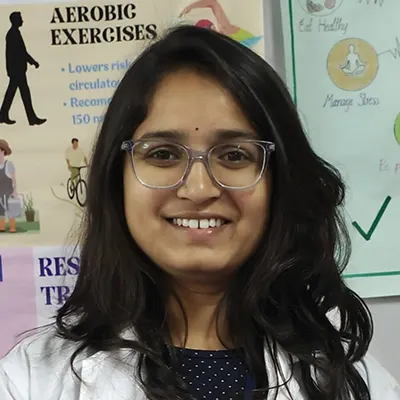
T Roshini
MSc Nutrition & Dietetics
T Roshini is listed on this page with an MSc in Nutrition & Dietetics and 5+ years of experience, with a focus on weight management and gastrointestinal nutrition. Confirm branch, consultation hours and suitability for your needs when booking. This consultation profile does not indicate medical review of the page.
Consultation timings: 10:00 AM–5:00 PM. Please confirm the branch and availability before travelling.
Appointment enquiries: +91 9111674111. For Tarnaka enquiries, call +91 9100001201. Confirm whether T Roshini or another suitable professional is available at your preferred branch, along with fees, follow-up and consultation format.
Call for Appointment EnquiriesNutrition Topics to Discuss Before Booking
A healthy eating plan is not identical for everyone. WHO guidance emphasizes adequacy, balance, moderation and dietary diversity, while individual needs vary with health status, activity, age, culture and food availability.
Weight Management
Sustainable nutrition plans focused on healthy eating patterns, portions and long-term habits.
Diabetes Nutrition
Personalized dietary guidance that can complement medical diabetes care and glucose management.
PCOS & Hormonal Health
Nutrition support for PCOS, metabolic health and sustainable lifestyle changes.
Digestive Health
Diet guidance for bloating, constipation, reflux and other nutrition-related digestive concerns.
Pregnancy Nutrition
Ask about pregnancy nutrition support and coordination with your obstetric team; confirm availability before booking.
Child & Adolescent Nutrition
Ask whether a professional with pediatric nutrition experience is available. Children need growth-focused assessment rather than adult weight-loss targets.
Sports Nutrition
Discuss your sport and training goals and confirm whether relevant sports nutrition expertise is available.
Clinical Nutrition
Nutrition care that complements medical management of nutrition-related conditions.
When Can a Nutritionist Help?
- Weight gain, weight loss or healthy weight maintenance
- Diabetes, prediabetes and blood-glucose-focused eating plans
- PCOS and lifestyle-related metabolic concerns
- High cholesterol and cardiovascular risk reduction through diet
- Bloating, constipation, reflux and selected digestive concerns
- Pregnancy, postpartum and family nutrition needs
- Sports, fitness and performance nutrition
- Long-term healthy eating and lifestyle planning
What a Personalized Diet Plan May Include
- Assessment of current eating habits and meal patterns
- Food choices based on health goals and dietary preferences
- Portion and meal-structure guidance
- Practical options using familiar Indian foods
- Hydration and fibre guidance where appropriate
- Strategies for eating outside the home or during busy schedules
- Progress review and adjustments when required
- Coordination with medical care when a condition requires it
Build Eating Habits That Fit Your Circumstances
Why Individualization Matters
There is no single “best diet” for every person. A useful nutrition plan should consider health conditions, medicines, allergies or intolerances, activity, food preferences, cultural eating patterns, budget and realistic daily routines.
For people with diabetes, PCOS or other medical conditions, nutrition support is one part of a broader care plan rather than a replacement for prescribed treatment.
Healthy Eating Principles
- Choose a varied diet with vegetables, fruits, pulses, whole grains and appropriate protein sources.
- Prefer minimally processed foods more often.
- Limit excess free sugars, sodium and unhealthy fats.
- Match portions and overall intake to individual energy needs.
- Build habits that can be maintained rather than relying on extreme restrictions.
A Simple, Goal-Based Nutrition Approach
Understand Your Goal
Discuss your main concern, routine, eating habits and desired outcome.
Assess Your Needs
Relevant medical history, reports, medicines and dietary patterns are considered.
Build a Plan
Receive practical food and lifestyle guidance tailored to your needs.
Review & Adjust
Follow-up can help refine the plan as your goals or health needs change.
Nutrition Support for Diabetes
A nutritionist or dietitian can help people with diabetes build a sustainable eating pattern around carbohydrate choices, portions, meal structure and personal preferences. Nutrition care should complement glucose monitoring, medicines and medical follow-up rather than replace them.
Plans may also consider weight management, cardiovascular risk factors and other conditions that influence dietary needs.
Nutrition Support for PCOS
PCOS affects metabolic and reproductive health in different ways. Healthy eating and physical activity are important parts of PCOS care, even when weight loss is not the primary goal.
A personalized plan should focus on sustainable habits and the individual's symptoms, health risks and preferences.
Preparing for Your Nutrition Consultation
Bring information that helps the professional understand your usual routine and medical needs.
- A two- or three-day record of meals, snacks, drinks and approximate portions
- Recent relevant medical reports and a list of medicines and supplements
- Food allergies, intolerances, dietary restrictions and recent weight changes
- Work schedule, food budget, cooking arrangements and your main goals
- Questions about follow-up, fees and coordination with your treating doctor
What to Look for in a Nutritionist Near You
When choosing a nutrition professional, look beyond generic diet charts. Consider qualifications, relevant experience, individualized assessment, follow-up and whether the plan fits your cultural food habits and daily routine.
- Relevant nutrition or dietetics education and scope of practice
- Experience with your specific health goal or medical condition
- Personalized plans rather than one-size-fits-all diets
- Clear follow-up and progress-monitoring approach
- Coordination with doctors when medical nutrition therapy is needed
Evidence-based nutrition: WHO describes a healthy diet around adequacy, balance, moderation and diversity. The exact diet should still be adapted to individual health status, age, activity, culture, food availability and dietary needs.
Ask About a Nutrition Consultation
Contact the hospital for nutrition consultation availability, branch and timings, and fees. Explain your goals and any diagnosed condition so the team can confirm an appropriate appointment. Online requests are not confirmed bookings.
Medical note: Nutrition advice should be individualized. If you have unexplained weight loss, severe digestive symptoms, pregnancy complications, very high or low blood glucose, or another urgent medical concern, seek appropriate medical evaluation. For emergencies such as loss of consciousness or severe breathing difficulty, call 112 rather than waiting for a nutrition appointment.
Nutrition Consultations – Frequently Asked Questions
Look for relevant nutrition or dietetics qualifications, experience with your health goal, a personalized approach, clear follow-up plans, and recommendations that fit your usual food habits and lifestyle.
A nutritionist assesses eating patterns, health goals, lifestyle and relevant medical information, then provides practical nutrition guidance. For medical conditions, nutrition care should be coordinated with the treating doctor when appropriate.
The terms can have different professional and regulatory meanings depending on the country and setting. When seeking medical nutrition care, check the professional's qualifications, training, scope of practice and experience with your condition.
Yes. A nutrition professional can help build a sustainable eating pattern around your energy needs, food preferences and activity level. Weight-management plans should focus on long-term habits rather than extreme restriction.
Nutrition care can be an important part of diabetes management. A personalized plan may consider carbohydrate choices, meal timing, portions, medication and activity. Diabetes treatment should be individualized with the treating healthcare team.
Nutrition and lifestyle support can be useful for people with PCOS, particularly when addressing metabolic health, eating patterns and sustainable activity. PCOS care should be individualized and may also require medical treatment.
Nutrition counseling may help identify food and eating patterns that aggravate symptoms such as bloating, constipation or reflux. Persistent, severe or unexplained digestive symptoms should be medically evaluated rather than managed only through diet.
Nutrition and lifestyle changes are commonly part of fatty-liver management. The appropriate plan depends on the cause, metabolic health, medications and other medical factors, so individualized advice is preferable.
Yes. Nutrition counseling can focus on dietary patterns, fibre-rich foods, healthier fat choices and overall lifestyle. Your plan should also consider your cholesterol results and any medicines prescribed by your doctor.
Online nutrition counseling may be suitable for many routine diet and lifestyle goals when the service is offered. Complex medical problems may require an in-person assessment or coordination with a physician.
There is no single schedule for everyone. Follow-up frequency depends on the goal, medical condition, progress, dietary changes and the nutrition professional's assessment.
Bring recent medical reports if relevant, a list of medicines and supplements, details of your usual meals, recent weight changes, activity pattern and your main health or nutrition goals.
Pregnancy nutrition should be individualized around maternal health, nutritional requirements and pregnancy stage. Pregnant patients should follow advice from their obstetric team and seek professional nutrition guidance when needed.
Children and adolescents may benefit from age-appropriate nutrition assessment for growth, selective eating, undernutrition, overweight or specific medical needs. Pediatric nutrition should account for growth and development rather than adult weight-loss targets.
Sports nutrition guidance can help align meals, hydration and recovery with training demands. The plan should be based on the sport, training volume, body composition goals and individual tolerance.
Clinical nutrition applies nutrition assessment and dietary care to health conditions. It may be used alongside medical treatment for conditions such as diabetes, cardiovascular risk, digestive disorders and other nutrition-related concerns.
A consultation commonly includes discussion of your health history, current eating pattern, activity, goals and relevant measurements or reports. The nutrition professional can then suggest practical dietary changes and a follow-up plan.
A healthy diet generally emphasizes variety and balance, including vegetables, fruits, pulses, whole grains and appropriate protein sources, while limiting excess free sugars, sodium and unhealthy fats. Individual needs vary by age, health, culture and activity.
Nutrition guidance is individualized. If you have persistent symptoms, significant weight change, or a diagnosed medical condition, discuss nutrition care with your treating healthcare professional.