
-
 Kphb Branch
+91 9111674111
-
Tarnaka Branch
+91 9100001201
- Book Appointment
+91 9111674111
+91 9100001201
Gastroenterology
Pancreas treatment in Hyderabad covers a wide range of conditions affecting the pancreas, including pancreatitis, pancreatic cysts, pancreatic duct disorders, pancreatic tumors and pancreatic cancer. The appropriate treatment depends on the exact diagnosis and findings from clinical evaluation and imaging.
My Health Hospitals provides gastroenterology and surgical gastroenterology services, with Dr. Krishna Chaitanya Vattem listed in the Department of Surgical Gastroenterology, HPB Surgery, Laser and Minimal Access Surgery.
The pancreas is an organ located behind the stomach. It has two important roles: it produces digestive enzymes that help break down food, and it produces hormones including insulin that help regulate blood glucose.
Because the pancreas is involved in digestion and blood-sugar regulation, pancreatic disorders can affect several aspects of health. Some conditions are acute, while others develop gradually and require long-term follow-up.
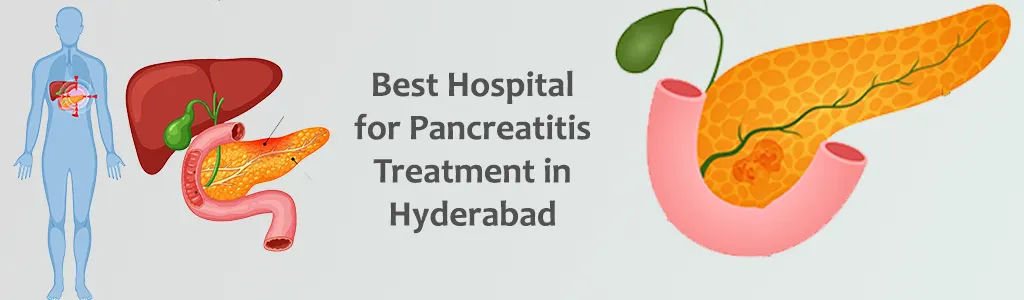
Pancreatic care may involve evaluation and treatment of several conditions, depending on the patient's diagnosis.
Symptoms vary according to the pancreatic condition. Some pancreatic cysts and early tumors may cause no obvious symptoms.
Severe or rapidly worsening upper abdominal pain, repeated vomiting, jaundice, fever, breathing difficulty, fainting or significant weakness should be assessed promptly. These symptoms can occur with serious pancreatic or biliary conditions and should not be ignored.
The cause varies according to the pancreatic condition. Factors associated with pancreatic problems can include:
Diagnosis depends on symptoms, medical history, examination and the suspected pancreatic condition. Doctors may use one or more of the following investigations.
Abdominal ultrasound may help identify gallstones, bile duct abnormalities and some pancreatic or surrounding abnormalities.
CT can provide detailed cross-sectional images and may be used to assess inflammation, complications, masses and other abdominal conditions.
MRI and magnetic resonance cholangiopancreatography (MRCP) can provide detailed information about the pancreas and the bile and pancreatic ducts.
EUS uses an endoscope with an ultrasound probe to obtain detailed images of the pancreas and nearby structures. In selected cases, it can also assist with tissue sampling.
ERCP is primarily a therapeutic procedure. It may be used to treat selected bile duct or pancreatic duct problems, such as stones, strictures or obstruction. It is not routinely required for every pancreatic condition.
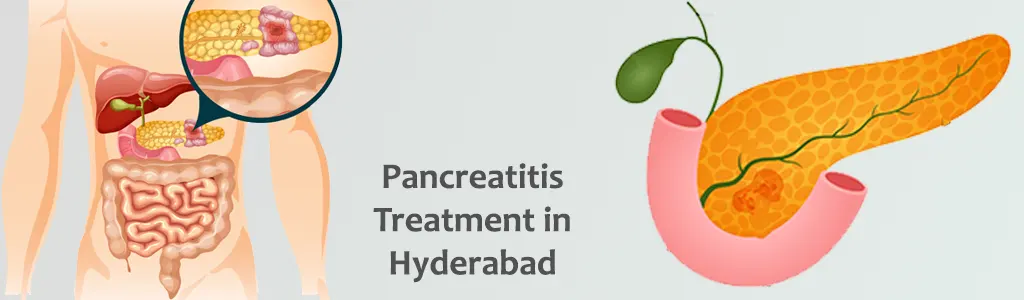
Pancreatic treatment is individualized. Depending on the diagnosis, management may include medical care, endoscopic treatment or surgery.
Surgery may be recommended for selected pancreatic tumors, cancer, complicated chronic pancreatitis, structural disease or other conditions where an operation offers an appropriate treatment option.
Pancreatitis is one of the most common conditions affecting the pancreas. It may be acute or chronic. Treatment depends on the cause and severity and may involve medical treatment, nutritional support, endoscopic procedures or surgery in selected complicated cases.
Gallstones and heavy alcohol use are important causes of pancreatitis. Other causes include high triglycerides, high calcium, certain medicines, genetic conditions and pancreatic duct problems.
Not every pancreatic cyst requires treatment. Doctors consider the cyst's type, size, symptoms, imaging features and risk factors when deciding between monitoring, additional testing or intervention.
Selected symptomatic or complicated pancreatic fluid collections may be treated with endoscopic drainage, minimally invasive procedures or surgery depending on their location and characteristics.
A pancreatic tumor requires careful evaluation to determine whether it is benign, precancerous or malignant. Imaging, EUS and tissue sampling may be used when appropriate.
For pancreatic cancer, treatment depends on the tumor location, stage, resectability and the patient's overall health. Selected patients may undergo surgery, chemotherapy, radiation therapy or a combination of treatments under a multidisciplinary oncology team.
The Whipple procedure, also called pancreaticoduodenectomy, is a major operation used for selected diseases involving the head of the pancreas and nearby structures. It may be considered for some pancreatic cancers and other carefully selected conditions.
The exact operation depends on the disease, imaging findings, anatomy and the patient's overall condition. Major pancreatic surgery requires detailed preoperative assessment and postoperative monitoring.
The cost of pancreas surgery in Hyderabad varies considerably. A fixed price cannot accurately represent every patient because pancreatic procedures range from endoscopic treatment to major operations.
Factors that can affect the final cost include:
Patients should request a diagnosis-specific estimate after consultation rather than relying on a generic online price range.
Recovery depends on the treatment performed and the patient's overall health. Recovery after a diagnostic or endoscopic procedure is generally different from recovery after major pancreatic surgery.
Pancreatic disorders can be complex because the pancreas lies close to the bile duct, duodenum, stomach and major blood vessels. Specialist evaluation helps determine whether a patient needs medical management, endoscopy, surveillance or surgery.
When comparing pancreatic care in Hyderabad, patients can ask about the specialist's relevant training, diagnostic facilities, endoscopy services, surgical expertise, critical-care support and follow-up pathway.
If you have persistent upper abdominal pain, jaundice, unexplained weight loss, recurrent pancreatitis or a known pancreatic lesion, seek evaluation from an appropriate gastroenterology or surgical gastroenterology specialist.
Book An AppointmentThe supplied My Health Hospitals page lists Dr. Krishna Chaitanya Vattem under the Department of Surgical Gastroenterology, HPB Surgery, Laser and Minimal Access Surgery. The supplied profile lists MBBS, MS, FMAS and consultation timings of 10 AM–6 PM.

Qualifications: MBBS, MS, FMAS
Department: Surgical Gastroenterology, HPB Surgery, Laser and Minimal Access Surgery
Timings: 10 AM – 6 PM
Book An AppointmentThere is no single best treatment for all pancreatic problems. Treatment depends on the exact condition, cause, severity and imaging findings.
Yes. Many pancreatic conditions can be managed medically or with observation. Endoscopic treatment or surgery is used when there is a specific indication.
ERCP is an endoscopic procedure rather than conventional open surgery. It is commonly used to treat selected bile duct and pancreatic duct problems.
A gastroenterologist or surgical gastroenterologist can evaluate pancreatic problems. Pancreatic cancer may additionally require a multidisciplinary oncology team.
No. Some cysts can be monitored, while others need further evaluation or treatment depending on their type, symptoms and imaging features.
Some pancreatic operations, including pancreaticoduodenectomy, are major surgeries. The risks, recovery and suitability depend on the individual diagnosis and overall health.
The pancreas is an organ behind the stomach that produces digestive enzymes and hormones including insulin, which helps regulate blood sugar.
Pancreatic conditions may include pancreatitis, pancreatic cysts and fluid collections, pancreatic duct disorders, pancreatic tumors and pancreatic cancer. Treatment depends on the diagnosis.
Symptoms may include upper abdominal pain, pain spreading to the back, nausea, vomiting, jaundice, unexplained weight loss and digestive problems. Some pancreatic conditions may initially cause no symptoms.
Depending on the suspected condition, doctors may use blood tests, ultrasound, CT, MRI/MRCP, endoscopic ultrasound and selected ERCP procedures.
Treatment may include medical management, nutritional support, pancreatic enzymes when indicated, endoscopic procedures, drainage of selected collections and surgery for appropriate conditions.
ERCP may be used to treat selected bile duct or pancreatic duct problems such as obstruction, stones or strictures. It is not routinely required for every pancreatic condition.
The Whipple procedure, or pancreaticoduodenectomy, is a major operation used for selected diseases involving the head of the pancreas and nearby structures, including some pancreatic cancers.
No. Some pancreatic cysts can be monitored. Others may require further testing or treatment depending on their type, symptoms and imaging features.
The cost depends on the diagnosis, investigations, type of treatment, procedure or surgery, hospital stay, ICU requirements and complications. A diagnosis-specific estimate is more reliable than a fixed online price.
A gastroenterologist or surgical gastroenterologist can evaluate pancreatic disease and decide whether medical, endoscopic or surgical treatment is appropriate.
Find the Best Hospital Near You
H.No 15-24-212, MIG-212, Rd Number 1, K P H B Phase 1, Kukatpally, Hyderabad, Telangana 500072
H.No:-12-5-30, WhiteHouse, Moula Ali Rd, South Lalaguda, Tarnaka, Secunderabad, Telangana 500017