

Black Spots on Legs: Causes, Symptoms & Treatment
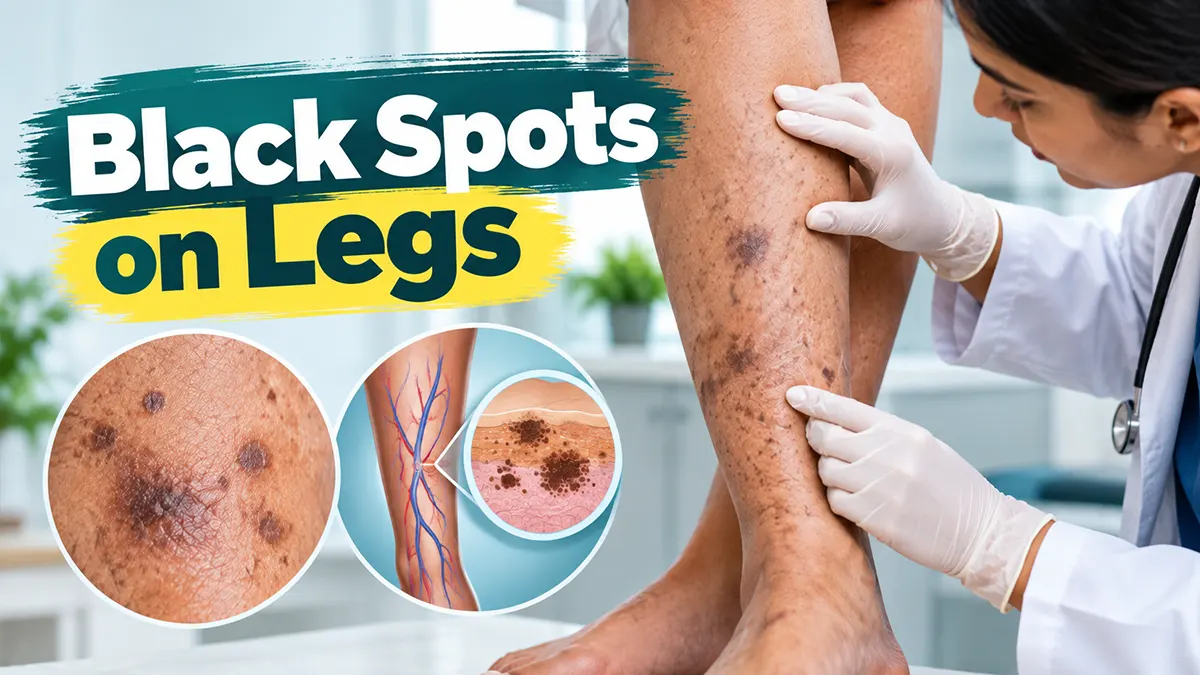
Dark or black spots on the legs can come from simple pigmentation after inflammation, sun exposure, skin disorders, diabetes or chronic venous disease. A new or changing dark spot needs a proper examination before cosmetic treatment is considered.
Quick Clinical Overview
The appearance of the spot matters. Flat brown marks after an injury are different from swollen lower-leg skin associated with venous disease, and a changing irregular dark lesion needs assessment for melanoma.
- Look at location, size, shape and color
- Check for itching, pain, swelling or ulcers
- Do not start strong skin-lightening products before diagnosis
Black spots on the legs are not one disease. Common causes include post-inflammatory hyperpigmentation from bites or skin injury, sun-related pigmentation, diabetic dermopathy and chronic venous disease. A new, changing, bleeding, painful or non-healing spot should be examined by a dermatologist or appropriate clinician.
Add My Health Hospitals as a Preferred Source on Google to see more of our latest health information.
What Are Black or Dark Spots on the Legs?
“Black spots” is a descriptive term rather than a diagnosis. The skin may look dark brown, reddish-brown, grey or black depending on the underlying process and the person's skin tone. Some spots are flat and harmless, while others can reflect active inflammation, chronic venous disease or a lesion that needs further evaluation.
Medical assessment focuses on how long the spot has been present, whether it is changing, its size and shape, its distribution, and whether there are symptoms such as itching, pain, swelling, scaling, bleeding or ulceration.
Common Causes of Black Spots on Legs
Post-Inflammatory Hyperpigmentation
Dark marks can remain after insect bites, eczema, dermatitis, acne-like lesions, cuts or other inflammation has healed.
Sun-Related Pigmentation
UV exposure can stimulate melanin production and contribute to darker patches or spots on exposed skin.
Diabetic Dermopathy
Diabetes can be associated with round or oval reddish-brown spots, especially on the shins. These are usually harmless.
Venous Disease
Chronic venous insufficiency can cause lower-leg swelling, inflammation and brown discoloration, often around the ankles and lower legs.
Moles or Other Skin Lesions
Moles and other benign lesions can be dark. Their stability over time and typical appearance can help distinguish them from concerning lesions.
Melanoma
Melanoma can appear as a new or changing dark spot or mole. It is uncommon compared with benign pigmentation, but suspicious changes should be assessed.
Black Spots on the Shins: Could It Be Diabetes?
One diabetes-related skin condition is diabetic dermopathy, often called shin spots. The lesions are commonly round or oval, reddish-brown and found on the shins. They may initially be slightly scaly and later become flatter and mildly indented. They are usually not painful or itchy and generally do not require treatment themselves.
The American Academy of Dermatology notes that people with shin spots who have not been diagnosed with diabetes should discuss appropriate diabetes testing with a doctor. Diabetic dermopathy can also occur alongside diabetic complications, so it is worth mentioning to your healthcare professional.
Dark Spots on Lower Legs and Venous Insufficiency
When darkening is concentrated around the lower legs or ankles and occurs with swelling, heaviness, itching, visible varicose veins or skin changes, chronic venous insufficiency is one possible cause. Venous disease can cause blood and fluid to pool in the legs and can lead to inflammatory skin changes and irregular brown pigmentation.
NICE guidance recognizes skin discoloration, inflammatory dermatitis and ulceration as possible consequences of chronic venous insufficiency. Venous assessment may be appropriate when pigmentation is accompanied by persistent leg symptoms.
Post-Inflammatory Hyperpigmentation on the Legs
Post-inflammatory hyperpigmentation happens when an area becomes darker after inflammation or injury. Common triggers include insect bites, scratching, eczema, dermatitis, cuts, burns and other skin irritation. The resulting marks can range from light brown to black and may become darker with sun exposure.
These marks can be more persistent in darker skin types. Treating the original skin disorder, avoiding repeated irritation and using sun protection can help reduce further darkening. Pigmentation treatments should be chosen after the cause is established.
Can Black Spots Be Skin Cancer?
Most dark spots are not skin cancer. However, melanoma can appear as a new or changing pigmented spot. The American Academy of Dermatology recommends paying attention to the ABCDE warning signs:
| Letter | Warning sign | What to notice |
|---|---|---|
| A | Asymmetry | One half looks different from the other. |
| B | Border | Edges are irregular, scalloped or poorly defined. |
| C | Color | The spot has several colors or uneven pigmentation. |
| D | Diameter | Melanomas are often over 6 mm when diagnosed, but they can be smaller. |
| E | Evolving | The spot changes in size, shape or color, or looks different from your other spots. |
A new or changing spot, or a spot that itches or bleeds, should be evaluated by a dermatologist. A suspicious spot can be assessed with clinical examination and dermoscopy and may require a biopsy.
Other Reasons for Dark Spots on the Legs
- Healed insect bites or repeated scratching
- Scars after cuts, burns or other injuries
- Eczema, dermatitis or psoriasis-related inflammation
- Friction or shaving-related irritation and ingrown hairs
- Some medication-related pigmentation changes
- Age-related or sun-related lentigines
- Less common systemic conditions that cause generalized hyperpigmentation
Symptoms That May Occur With Black Spots
The spot itself may have no symptoms. The presence of associated symptoms can provide important clues.
- Itching or scaling: may occur with eczema, dermatitis or other inflammatory skin conditions.
- Swelling and heaviness: can occur with venous disease.
- Pain, warmth or rapidly increasing redness: can indicate active inflammation or infection and needs assessment.
- Ulcers or non-healing skin: may occur with advanced venous or arterial disease or other conditions.
- Change in a mole or pigmented lesion: should be assessed for possible skin cancer.
How Are Black Spots on Legs Diagnosed?
Diagnosis starts with a medical history and detailed examination of the skin. A clinician may assess the distribution, color, surface, border and evolution of each lesion and ask about sun exposure, insect bites, eczema, diabetes, varicose veins, medications and previous injuries.
Depending on the findings, the evaluation may include:
- Dermoscopy for a pigmented lesion
- Skin biopsy when the diagnosis is uncertain or melanoma is suspected
- Blood tests when diabetes, thyroid, adrenal or other systemic causes are considered
- Vascular examination or ultrasound when venous disease is suspected
Treatment for Black Spots on Legs
There is no single treatment because treatment must address the underlying cause.
For Post-Inflammatory Hyperpigmentation
Management may include controlling the original inflammation, avoiding scratching or repeated trauma, sun protection and selected topical treatments. Dermatology-guided options can include hydroquinone, azelaic acid, retinoids, vitamin C or other pigment-directed therapies depending on the skin condition and patient factors.
For Venous-Related Discoloration
The underlying venous disease needs attention. Depending on the severity, management may include exercise and movement, leg elevation, compression when medically appropriate and treatment of the abnormal veins. NICE notes that venous interventions such as endothermal ablation, ultrasound-guided foam sclerotherapy or surgery may be considered for appropriate symptomatic varicose-vein disease.
For Diabetic Dermopathy
Diabetic dermopathy usually does not need a specific procedure. General diabetes management and protection of the skin from injury are important. The spots can fade over time but may persist.
For a Suspicious Mole or Lesion
Do not try to lighten or remove a suspicious lesion at home. A dermatologist may perform dermoscopy and, when needed, a biopsy or appropriate excision based on the findings.
Can Home Remedies Remove Black Spots on Legs?
Home remedies should be approached cautiously. Lemon juice, strong scrubs, undiluted acids and other irritating substances can inflame the skin and worsen post-inflammatory pigmentation. Avoid using aggressive skin-lightening products on an undiagnosed dark lesion.
Gentle skin care, moisturizer, avoiding scratching and broad-spectrum sunscreen on exposed skin are safer general measures while the cause is being evaluated.
How to Prevent Dark Spots on the Legs
- Use broad-spectrum sunscreen on exposed legs.
- Avoid picking or scratching insect bites and irritated skin.
- Treat eczema and other inflammatory skin disorders promptly.
- Protect the skin from repeated friction and shaving irritation.
- Keep the skin moisturized when it is dry.
- If you have diabetes, follow your diabetes care plan and inspect the skin of your legs and feet regularly.
- If you have chronic venous symptoms, seek evaluation rather than treating only the pigmentation.
When Should You See a Doctor?
- A new dark spot appears without a clear cause.
- The spot is changing in size, shape or color.
- It has an irregular border or several colors.
- Itches, bleeds, becomes painful or repeatedly crusts.
- It does not heal or becomes raised.
- There is swelling, significant pain, skin breakdown or an ulcer in the same leg.
- Multiple new spots develop rapidly.
Medical Review

Dr. Namratha
Frequently Asked Questions About Black Spots on Legs
Concerned About a New or Changing Dark Spot?
A dermatologist can examine the lesion, identify the likely cause and recommend appropriate treatment. For appointments at My Health Hospitals, call +91 91116 74111.
Medical Disclaimer
This article is for general health education and does not replace diagnosis, treatment or personalized medical advice. Because many different skin and vascular conditions can produce dark spots, an examination may be necessary before treatment.