

Good vs Bad Cholesterol: HDL, LDL, Levels & Heart Health
Add My Health Hospitals as a Preferred Source on Google to see more of our latest health information.
What Is Cholesterol?
Cholesterol is a waxy, fat-like substance essential for the body. It is used for important functions including hormone production and digestion of fats. Because cholesterol does not travel freely through blood, it is carried by lipoproteins.
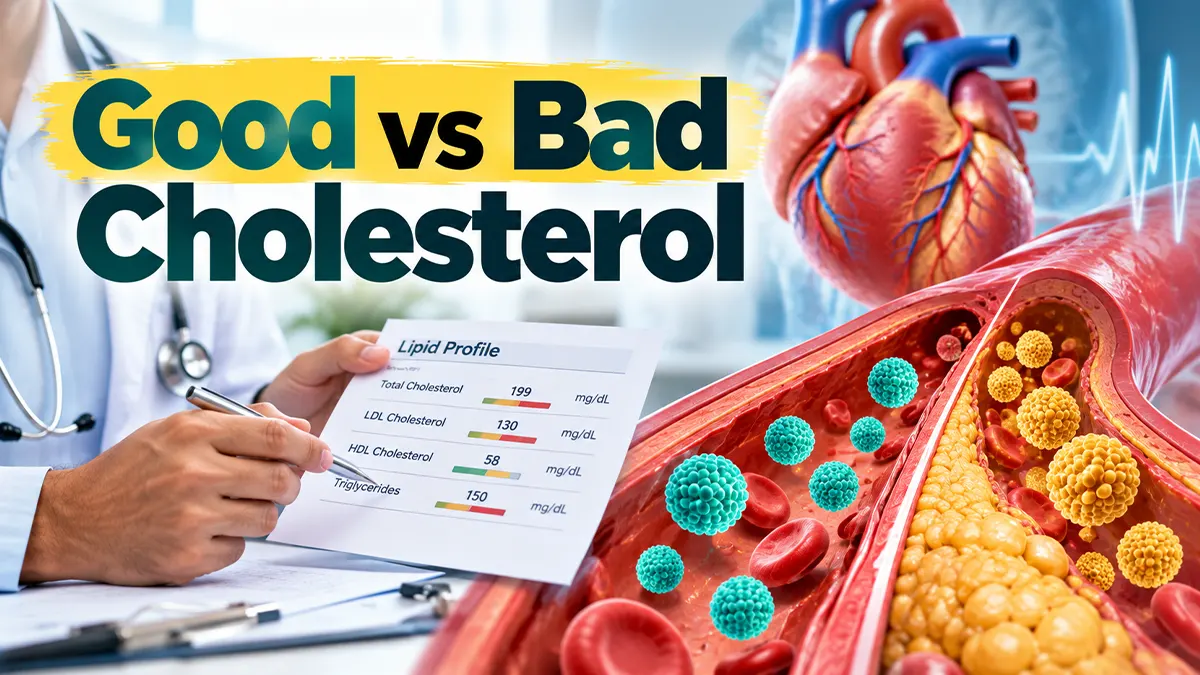
A lipid profile commonly reports total cholesterol, LDL cholesterol, HDL cholesterol and triglycerides. These results are useful, but they should be interpreted in the context of the individual patient's cardiovascular risk.
HDL: “Good” Cholesterol
High-density lipoprotein (HDL) helps transport cholesterol toward the liver. Higher HDL is generally associated with lower cardiovascular risk, but HDL is only one part of the overall risk picture.
LDL: “Bad” Cholesterol
Low-density lipoprotein (LDL) carries cholesterol throughout the body. Persistently elevated LDL can contribute to cholesterol-containing plaque in artery walls and increase cardiovascular risk.
HDL vs LDL: What Is the Difference?
| Feature | HDL | LDL |
|---|---|---|
| Full name | High-density lipoprotein | Low-density lipoprotein |
| Common description | “Good” cholesterol | “Bad” cholesterol |
| Main role | Helps transport cholesterol toward the liver | Delivers cholesterol to tissues |
| Why it matters | Higher levels are generally associated with lower cardiovascular risk | Higher levels can contribute to arterial plaque and cardiovascular risk |
What Are Triglycerides?
Triglycerides are a type of fat in the blood that the body can use for energy. High triglycerides may occur with low HDL or high LDL and can add to cardiovascular risk. Very high triglycerides can increase the risk of acute pancreatitis.
What Are Healthy Cholesterol Levels?
There is no single LDL target that applies to every adult. The 2026 ACC/AHA dyslipidemia guideline uses cardiovascular risk to guide treatment and includes LDL-C and non-HDL-C treatment goals, with lower targets for people at higher risk.
Common Lipid Results
- Total cholesterol: Overall cholesterol measurement in the lipid panel.
- LDL-C: A major atherogenic cholesterol measure and treatment target.
- HDL-C: Cholesterol carried by high-density lipoproteins.
- Triglycerides: Blood fats important for cardiovascular and metabolic risk.
- Non-HDL-C: A measure capturing cholesterol in several atherogenic lipoproteins.
Does High Cholesterol Cause Symptoms?
Usually, no. High cholesterol often causes no noticeable symptoms. A blood test is the usual way to identify abnormal cholesterol and triglyceride levels.
What Causes High LDL Cholesterol?
- Dietary patterns high in saturated or trans fats
- Overweight or obesity
- Low physical activity
- Diabetes and metabolic conditions
- Smoking and other cardiovascular risk factors
- Family history or inherited lipid disorders
- Some kidney, thyroid and other medical conditions
- Certain medicines or hormonal conditions
How Is Cholesterol Tested?
A lipid profile is a blood test that measures cholesterol and triglycerides. Depending on the test and clinical situation, fasting may or may not be required. Follow the instructions provided by your healthcare professional or laboratory.
Results are interpreted with age, blood pressure, smoking, diabetes, family history and cardiovascular history. The 2026 guideline also recommends measuring lipoprotein(a), or Lp(a), at least once in a lifetime to identify people who may have additional cardiovascular risk.
How Can You Lower LDL Cholesterol?
- Choose more vegetables, fruits, whole grains, legumes and nuts.
- Reduce saturated and trans fats.
- Get regular physical activity appropriate for your health.
- Work toward a healthy weight if advised.
- Avoid smoking and seek help to quit if needed.
- Manage diabetes, blood pressure and other risk factors.
- Take prescribed cholesterol medicines consistently and do not stop them without medical advice.
Can HDL Cholesterol Be Improved?
Regular physical activity, avoiding smoking, maintaining a healthy weight and following a heart-healthy eating pattern can support a healthier lipid profile. HDL should not be viewed in isolation; LDL and other atherogenic lipoproteins remain important treatment targets.
Cholesterol and Diabetes
Diabetes is an important cardiovascular risk factor. People with diabetes may need an individualized approach based on age, diabetes status, kidney function, cardiovascular history, LDL level and other risk factors.
When Should You See a Doctor About Cholesterol?
- Repeatedly elevated LDL or triglycerides
- Diabetes, high blood pressure or kidney disease
- Strong family history of early heart disease or very high cholesterol
- Previous heart attack, stroke or other atherosclerotic cardiovascular disease
- Uncertainty about whether lifestyle changes alone are enough
Medical Review

Dr. Ch. Srujith
Frequently Asked Questions About Good and Bad Cholesterol
Need Help Understanding Your Cholesterol Report?
If you have questions about LDL, HDL, triglycerides or cardiovascular risk, discuss your results with a qualified healthcare professional. For appointments at My Health Hospitals, call +91 91116 74111.
Medical Disclaimer
This article is for general health education and does not replace diagnosis, treatment or personalized medical advice. Cholesterol targets and treatment decisions vary according to individual cardiovascular risk.