

Common Orthopedic Problems: Symptoms, Causes & Prevention
Bone, joint, muscle, ligament and tendon problems can affect people at any age. Learn which orthopedic conditions are common, what can increase risk, how prevention works and when persistent symptoms need medical evaluation.
Quick overview
Some orthopedic problems are influenced by age or genetics, while others are linked to injury, repetitive loading, inactivity, low bone density or modifiable lifestyle factors. Prevention can reduce risk, but it cannot prevent every condition.
- Keep muscles and bones active
- Use safe exercise and lifting technique
- Protect against falls and sports injuries
- Seek early care for persistent or worsening symptoms
Common orthopedic problems include osteoarthritis, knee pain, back and neck pain, fractures, sprains and strains, shoulder injuries, carpal tunnel syndrome, osteoporosis and several tendon or foot conditions. Prevention focuses on physical activity, strength, safe technique, ergonomics, healthy weight management, bone health and fall prevention. Because some orthopedic conditions are age-related, inherited or caused by unavoidable trauma, not all can be completely prevented.
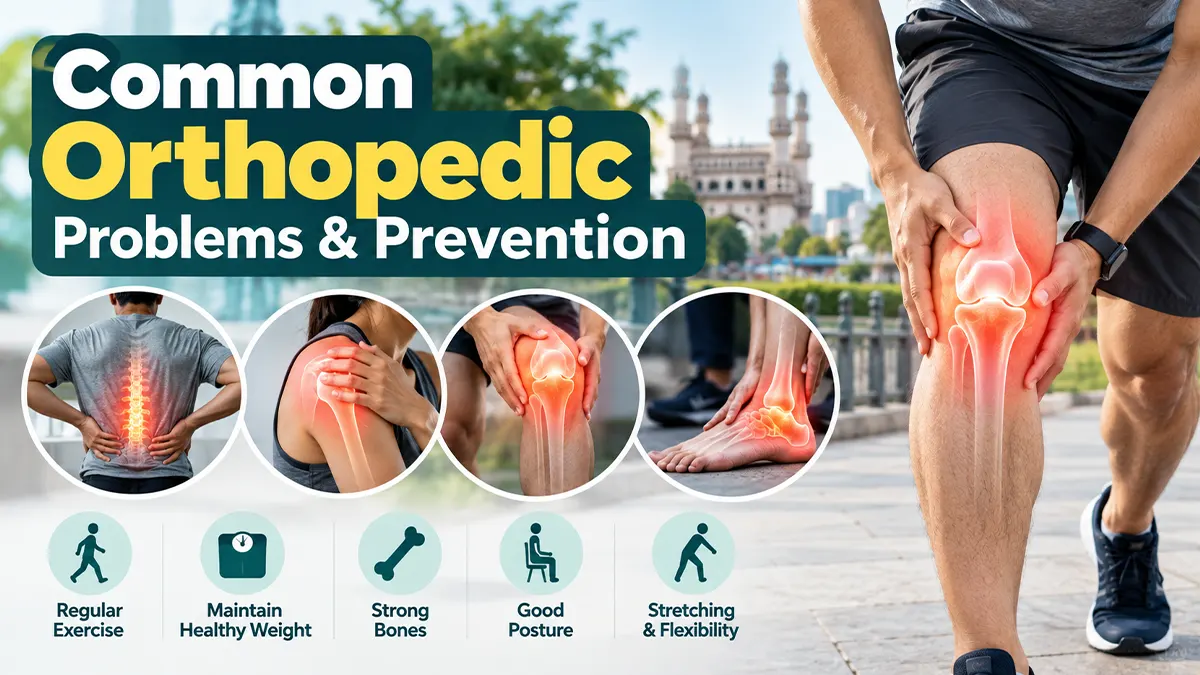
What Are Orthopedic Problems?
Orthopedics covers conditions involving the musculoskeletal system, including bones, joints, muscles, tendons, ligaments and related structures. These conditions range from sudden injuries such as fractures and sprains to long-term problems such as osteoarthritis, osteoporosis and chronic back pain.
Musculoskeletal conditions can cause pain, stiffness, weakness and limitations in movement. They can affect people throughout life, from childhood and sports injuries to age-related joint and bone disorders.
10 Common Orthopedic Problems
1. Knee Pain and Osteoarthritis
Joint conditionKnee pain has many causes. Osteoarthritis is a common long-term condition that can cause pain, stiffness, swelling and difficulty moving. Risk increases with age, previous joint injury and some metabolic or weight-related factors.
Prevention focus: maintain activity, strengthen the legs, manage body weight when appropriate and avoid sudden increases in training load.
2. Back Pain
Spine & muscleBack pain may arise from muscles, joints, discs, nerves or other structures. Prolonged inactivity, heavy or repetitive work, previous injury and some spinal disorders can increase risk.
Prevention focus: stay active, build trunk and hip strength, vary positions during prolonged sitting and learn safe lifting methods.
3. Fractures and Broken Bones
Bone injuryFractures can follow falls, road or workplace accidents, sports injuries or weakened bones. In older adults, low bone density can make a relatively minor fall more serious.
Prevention focus: fall-proof the home, use suitable protective equipment, maintain bone health and address osteoporosis risk.
4. Sprains and Strains
Soft-tissue injurySprains involve ligaments, while strains affect muscles or tendons. They can occur during sports, sudden twisting, awkward landings or unprepared lifting.
Prevention focus: warm up, improve strength and coordination, learn technique and increase activity gradually.
5. Shoulder Injuries
Rotator cuff & tendonRotator-cuff disorders and tendon problems can develop with repetitive overhead activity, sports, overuse or age-related changes. Symptoms often include pain with lifting the arm and reduced function.
Prevention focus: shoulder strengthening, gradual workload progression and correct technique.
6. Carpal Tunnel Syndrome
Nerve compressionCarpal tunnel syndrome occurs when the median nerve is compressed at the wrist. It can cause numbness, tingling, pain or weakness in the hand.
Prevention focus: ergonomic work setup, task variation and avoiding prolonged forceful or repetitive wrist positions.
7. Osteoporosis
Bone densityOsteoporosis weakens bone and increases fracture risk. It is more common with ageing and after menopause, but it can also occur because of medical conditions or medicines.
Prevention focus: weight-bearing activity, muscle strengthening, adequate nutrition, smoking avoidance and assessment of fracture risk when indicated.
8. Tennis Elbow
Tendon overuseTennis elbow is pain around the outside of the elbow associated with overuse of the forearm muscles and tendons. It can occur without playing tennis.
Prevention focus: improve technique, pace repetitive activity and build strength gradually.
9. Plantar Fasciitis
Foot conditionPlantar fasciitis commonly causes heel pain, especially with the first steps after rest. It may be associated with changes in activity, prolonged standing, foot mechanics or load.
Prevention focus: gradual training progression, supportive footwear and appropriate calf and foot conditioning.
10. Neck Pain and Cervical Problems
Neck & spineNeck pain may be related to muscle strain, prolonged static positions, injury or age-related cervical changes. Persistent pain, weakness or nerve symptoms require assessment.
Prevention focus: take movement breaks, optimize the workstation and strengthen the neck, shoulder and upper-back muscles appropriately.
What Increases the Risk of Orthopedic Problems?
Age
Some joint and bone conditions become more common as people age, including osteoarthritis and osteoporosis.
Previous Injury
Past fractures, ligament injuries and joint trauma can change the risk of later pain or degeneration.
Repetitive Loading
Repeated gripping, lifting, jumping or overhead work can contribute to tendon and soft-tissue problems.
Low Activity
Deconditioning can reduce muscle strength, balance and physical capacity, making everyday tasks harder.
Higher Body Weight
Excess body weight can increase mechanical stress on weight-bearing joints and can make activity more difficult.
Genetics & Medical Conditions
Inherited factors, autoimmune disease, metabolic conditions and some medicines can influence musculoskeletal health.
How to Prevent Common Orthopedic Problems
Exercise for Bone, Joint and Muscle Health
For most adults, regular physical activity is an important part of musculoskeletal health. WHO guidance recommends adults complete 150–300 minutes of moderate-intensity aerobic activity or 75–150 minutes of vigorous activity across the week, plus muscle-strengthening activities on at least two days a week, unless a health condition requires individualized advice.
Adults aged 65 and older should also include balance activities. Activity should be adapted to current fitness, mobility, injuries and chronic conditions rather than started at a level that causes significant pain.
| Type of activity | Examples | Potential role in orthopedic health |
|---|---|---|
| Aerobic | Walking, cycling, swimming | Supports overall fitness and helps maintain regular movement. |
| Strength | Resistance bands, weights, body-weight exercises | Helps maintain muscle strength and physical function. |
| Balance | Tai chi, supported single-leg balance, appropriate balance drills | Important for reducing fall risk, especially in older adults. |
| Mobility | Gentle range-of-motion exercises | Helps maintain movement when appropriate for the individual condition. |
Ergonomics and Orthopedic Health
People who sit at a computer, drive for long periods or perform repetitive manual tasks can benefit from changing position regularly, keeping frequently used items within comfortable reach and taking short movement breaks.
There is no single “perfect posture” that prevents all pain. A practical goal is to avoid staying in the same position for too long and to build enough strength and conditioning for the demands of work and daily life.
Nutrition for Strong Bones and Muscles
Good musculoskeletal health depends on overall nutrition rather than one “bone-strengthening” food. A balanced eating pattern can provide protein and key nutrients needed for normal bone and muscle function.
- Calcium-containing foods such as dairy products or suitable fortified alternatives
- Vitamin D from appropriate food, sunlight exposure and supplements when clinically indicated
- Adequate protein to support muscle and tissue health
- Vegetables, fruits, whole grains, legumes, nuts and seeds
People at risk of osteoporosis, malnutrition or vitamin deficiencies may need individualized dietary or medical assessment.
Orthopedic Problems in Older Adults
Ageing can increase the likelihood of osteoarthritis, osteoporosis, weakness and falls. Keeping active, preserving muscle strength, checking vision, reviewing medicines that can cause dizziness or sleepiness and reducing home hazards can reduce injury risk.
Fall-prevention guidance emphasizes fall-risk assessment, osteoporosis screening when appropriate, medication review and strength and balance exercises for older adults.
When Should You See an Orthopedic Doctor?
Joint, back, neck, shoulder or limb pain that does not improve with reasonable self-care.
Persistent swelling, reduced range of motion or a joint that becomes increasingly difficult to use.
New or progressive weakness, tingling or numbness in a limb.
Pain or instability that limits walking, stairs, work or daily activities.
Frequent sprains, stress injuries or fractures that suggest an underlying problem.
Significant injury with severe pain, deformity or inability to use the affected limb.
Seek immediate emergency assessment for major injury with deformity, an open fracture, a cold or numb limb, or new progressive weakness. Back pain with new difficulty passing urine, loss of bladder or bowel control, or numbness around the genitals or anus also needs emergency assessment, even without severe pain. A hot swollen joint with fever needs urgent same-day assessment.
Diagnosis and Treatment of Orthopedic Problems
Not everyone needs an MRI or surgery. Bring previous scans, a medicine list and a symptom timeline. Ask which activities are safe and what changes should trigger urgent reassessment.
Evaluation depends on the problem. A clinician may use medical history and physical examination and, when indicated, imaging such as X-ray, ultrasound, CT or MRI, or laboratory tests for selected conditions.
Treatment can range from activity modification, pain management and physiotherapy to injections, bracing or surgery for selected problems. The most appropriate treatment depends on the diagnosis, severity, symptoms, functional limitations and patient factors.
Orthopedic Care in Hyderabad
People in Hyderabad looking for evaluation of persistent knee, back, shoulder, bone or joint symptoms can seek an orthopedic consultation for diagnosis and an individualized treatment plan. My Health Hospitals currently lists orthopedic services at its Kukatpally and Tarnaka locations.
Orthopedic Consultations by Branch

Dr. Vishwanath Karne

Dr. Sandeep
Orthopaedic Surgeon
MBBS, MS, M.Ch
12+ years of experience
KPHB hours: 11:00 AM–2:00 PM. Confirm availability before travelling.
Frequently Asked Questions About Common Orthopedic Problems
What are the most common orthopedic problems?
Common orthopedic problems include osteoarthritis and knee pain, back and neck pain, fractures, sprains and strains, shoulder tendon or rotator-cuff problems, carpal tunnel syndrome, osteoporosis, tennis elbow and plantar fasciitis.
How can orthopedic problems be prevented?
Risk can be reduced through regular physical activity, muscle strengthening, good technique, safe lifting, appropriate footwear, healthy weight management, ergonomic habits, fall prevention and attention to bone health. Not every orthopedic condition is fully preventable.
Can exercise prevent orthopedic problems?
Regular activity can support muscle, bone and joint function and reduce some injury risks. Exercise should be progressed gradually and matched to a person's age, fitness, medical conditions and injury history.
What are the common causes of orthopedic problems?
Causes vary by condition and may include ageing, previous injury, repetitive loading, weakness or deconditioning, poor technique, prolonged static posture, excess body weight, genetic factors and low bone density.
Is knee pain always caused by arthritis?
No. Knee pain can also result from ligament or meniscus injuries, tendinopathy, bursitis, infection, gout, referred pain and other conditions. Persistent or significant pain needs an appropriate examination.
How can I protect my knees?
Maintain a healthy body weight when appropriate, build leg strength, use safe exercise technique, increase activity gradually, manage previous injuries and choose activities that match your joint tolerance.
How can back pain be prevented?
Stay physically active, strengthen the trunk and hip muscles, vary prolonged sitting, use a comfortable ergonomic workstation, learn safe lifting techniques and avoid sudden large increases in physical workload.
What should I do to prevent sports injuries?
Warm up, build strength and conditioning gradually, learn correct technique, use appropriate protective equipment, include recovery time and avoid returning to sport too quickly after an injury.
Can poor posture cause orthopedic problems?
Poor or sustained postures can contribute to discomfort and musculoskeletal strain, but posture is only one factor. Movement breaks, ergonomic adjustments, physical conditioning and individual assessment are often more useful than trying to maintain one rigid posture.
How can osteoporosis and fractures be prevented?
Bone health includes adequate nutrition, regular weight-bearing and muscle-strengthening activity, avoiding smoking, limiting excessive alcohol use and assessing fracture or osteoporosis risk when appropriate. Fall prevention is especially important for older adults.
How often should older adults do strength and balance exercises?
Adults aged 65 and older are advised to include aerobic activity, muscle-strengthening activity on at least two days a week and balance activities as part of their weekly routine, adjusted to ability and health status.
Can calcium and vitamin D prevent all orthopedic problems?
No. Calcium and vitamin D are important for bone health, but supplements are not a universal prevention strategy for every orthopedic condition. Intake and supplementation should be individualized when there is a deficiency or elevated bone risk.
How can I prevent carpal tunnel syndrome at work?
Use a comfortable workstation, keep the wrist in a neutral position when possible, vary tasks, take regular movement breaks and avoid prolonged forceful or repetitive wrist activity. Persistent numbness or weakness should be evaluated.
How can shoulder injuries be prevented?
Use proper technique, strengthen the shoulder and surrounding muscles, increase overhead workload gradually, maintain mobility and avoid repeatedly training through significant pain or fatigue.
Can orthopedic problems affect people at a young age?
Yes. Children, adolescents and younger adults can develop sports injuries, fractures, scoliosis, tendon problems and overuse conditions. Age does not rule out an orthopedic problem.
When should I see an orthopedic doctor?
Seek evaluation for persistent or worsening pain, recurrent swelling, reduced movement, repeated injuries, numbness or weakness, difficulty walking, suspected fractures or symptoms that interfere with normal activities.
Which orthopedic symptoms need urgent medical care?
Seek immediate emergency assessment for major injury with deformity, an open fracture, a cold or numb limb, or new progressive weakness. Back pain with new difficulty passing urine, loss of bladder or bowel control, or numbness around the genitals or anus also needs emergency assessment, even without severe pain. A hot swollen joint with fever needs urgent same-day assessment.
Can maintaining a healthy weight help joint health?
For people who are overweight, gradual weight management can reduce mechanical loading on weight-bearing joints and may improve function and symptoms, particularly with knee osteoarthritis.
What exercises are good for joint health?
Walking, cycling, swimming, resistance training, mobility work and appropriately prescribed balance exercises can support musculoskeletal health. The safest choice depends on the joint involved and any existing condition.
Are all orthopedic conditions preventable?
No. Some conditions are influenced strongly by age, genetics, autoimmune disease or unavoidable trauma. Prevention focuses on reducing modifiable risk factors, preventing injuries and identifying problems early.
Need an Orthopedic Evaluation?
Persistent pain, swelling, stiffness, weakness or difficulty moving should be assessed rather than managed indefinitely at home. Call KPHB: 91116 74111 or Tarnaka: 91000 01201 to confirm an appointment. Emergency symptoms require immediate care.
Medical Disclaimer
This article is for general health education and does not replace diagnosis, treatment or personalized medical advice. Exercise and prevention advice should be adapted for people with existing injuries, chronic diseases, pregnancy, mobility limitations or other medical conditions.