

Epilepsy treatment in Hyderabad
Epilepsy care starts with understanding what happened during an episode, deciding whether it was a seizure and choosing treatment that fits the seizure type and the person. The aim is to reduce seizures and treatment side effects while supporting daily life.
At My Health Hospitals, Tarnaka, you can book a neurology consultation with Dr. C. Shashanka for assessment, medicine review and follow-up planning. Bring previous prescriptions and investigation reports so the next step can be based on your history.
Book Tarnaka consultation: +91 9100001201
Dr. C. Shashanka
MBBS, DNB, DM Neurology
Consultant Neurologist
12+ years of experience
Listed Tarnaka timing: 12:00 PM–3:00 PM
Call to confirm availability before travelling.
Seizure emergency: do not wait for an appointment
Get emergency medical help for a first seizure, a convulsive seizure lasting 5 minutes or longer, repeated seizures without recovery, serious injury, or difficulty breathing afterward. Seek help sooner if the person's emergency plan says to. A seizure in water or during pregnancy also needs urgent medical attention.
Stay with the person, protect them from nearby hazards and time the episode. Use prescribed rescue medicine only according to their individual plan if you have been trained to give it. A hospital booking number or contact form is not a substitute for emergency services.
A treatment plan begins with the right diagnosis
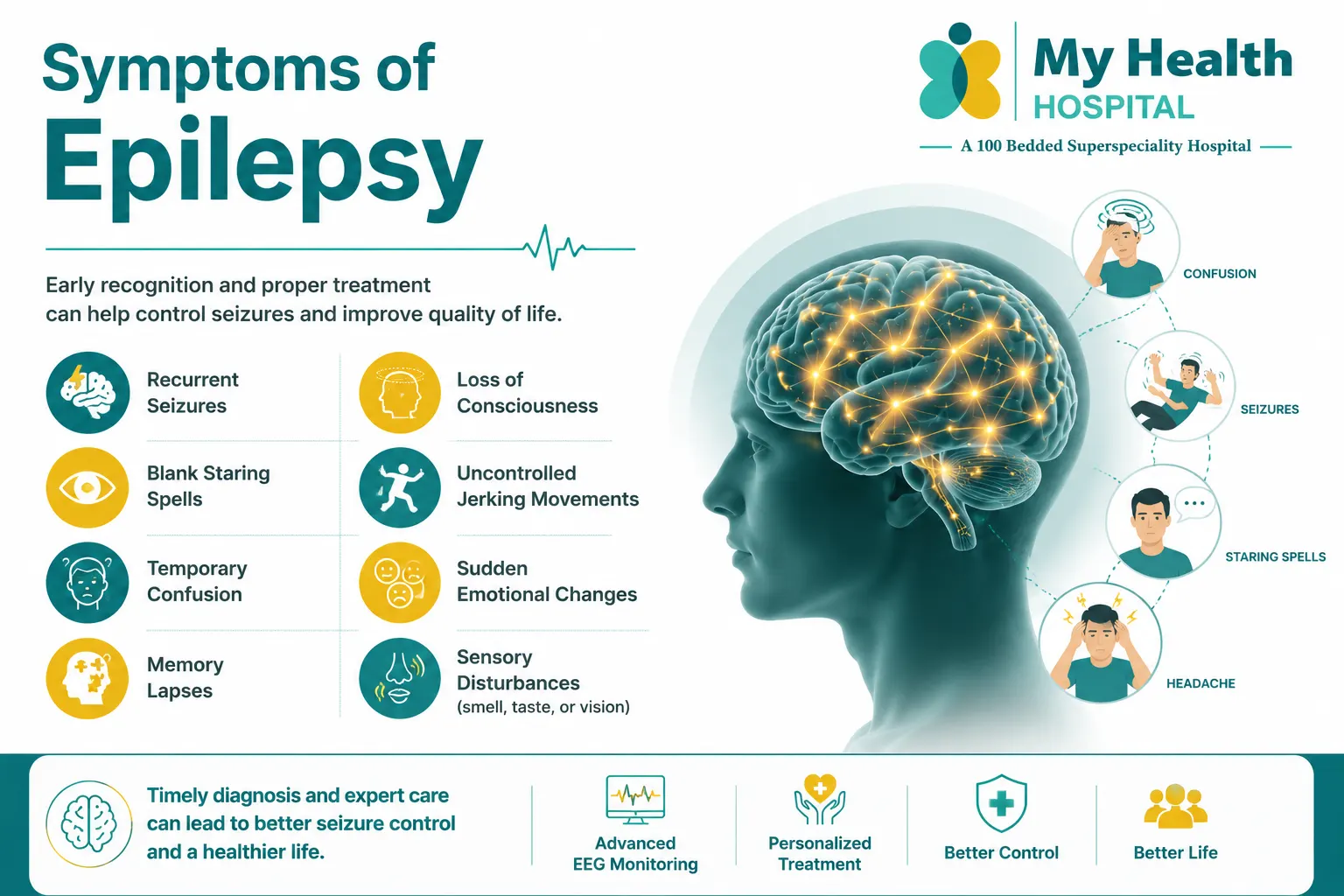
A seizure can involve shaking, but it may also cause a brief loss of awareness, unusual sensations or repeated automatic movements. Fainting, heart rhythm problems, low blood glucose and other conditions can resemble seizures. One episode does not automatically mean epilepsy; the diagnosis depends on the circumstances and risk of recurrence.
A useful consultation addresses the suspected seizure type, possible causes, current medicines, side effects and your priorities. Tell the clinician about sleep, alcohol use, other illnesses, pregnancy plans and any recent change in episodes.
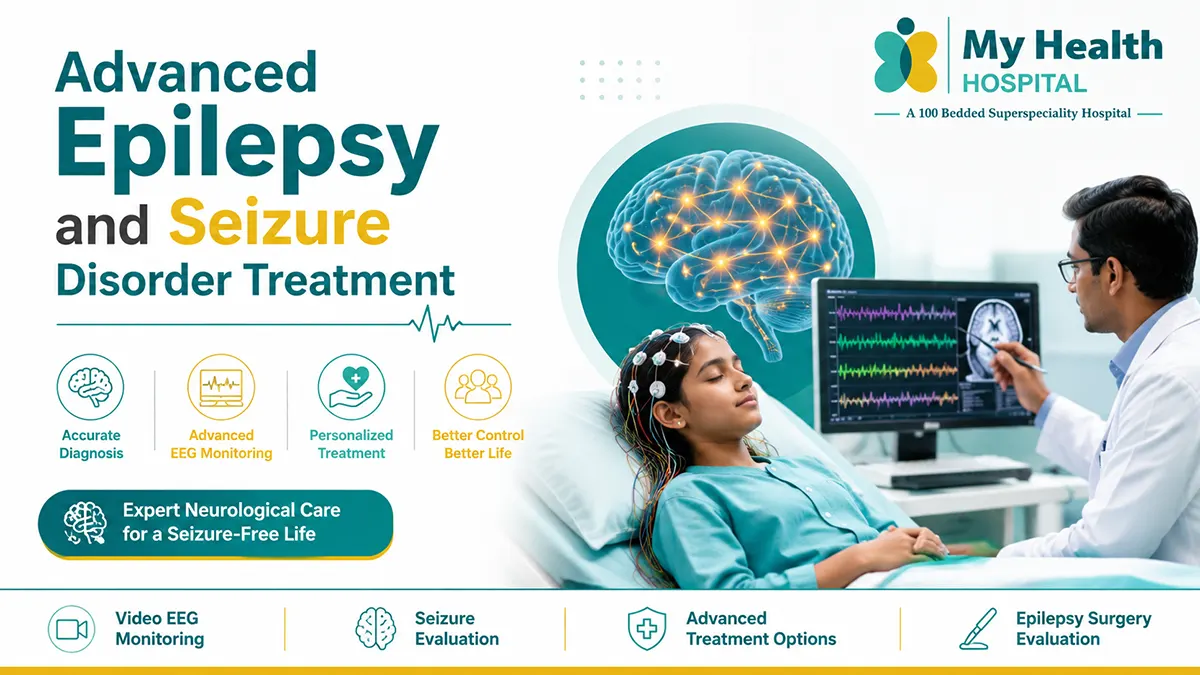
What to bring to your neurology visit
- A witness account: what happened before, during and after the episode, its duration, awareness and recovery.
- A seizure diary showing dates, missed doses, possible triggers and injuries. A safe video can help, but never delay first aid or put someone at risk to record it.
- Original EEG, MRI or CT reports and images, previous discharge summaries and relevant blood tests.
- Every medicine name, dose and schedule, including supplements, contraceptives and medicines tried previously with reasons for stopping.
- Questions about work, school, sleep, mood, memory, pregnancy and activities that could become dangerous during a seizure.
After a first suspected seizure, arrange prompt specialist assessment even if you feel recovered following emergency care. Until assessed, avoid driving and activities where another episode could cause serious harm.
Tests: what they can and cannot tell you
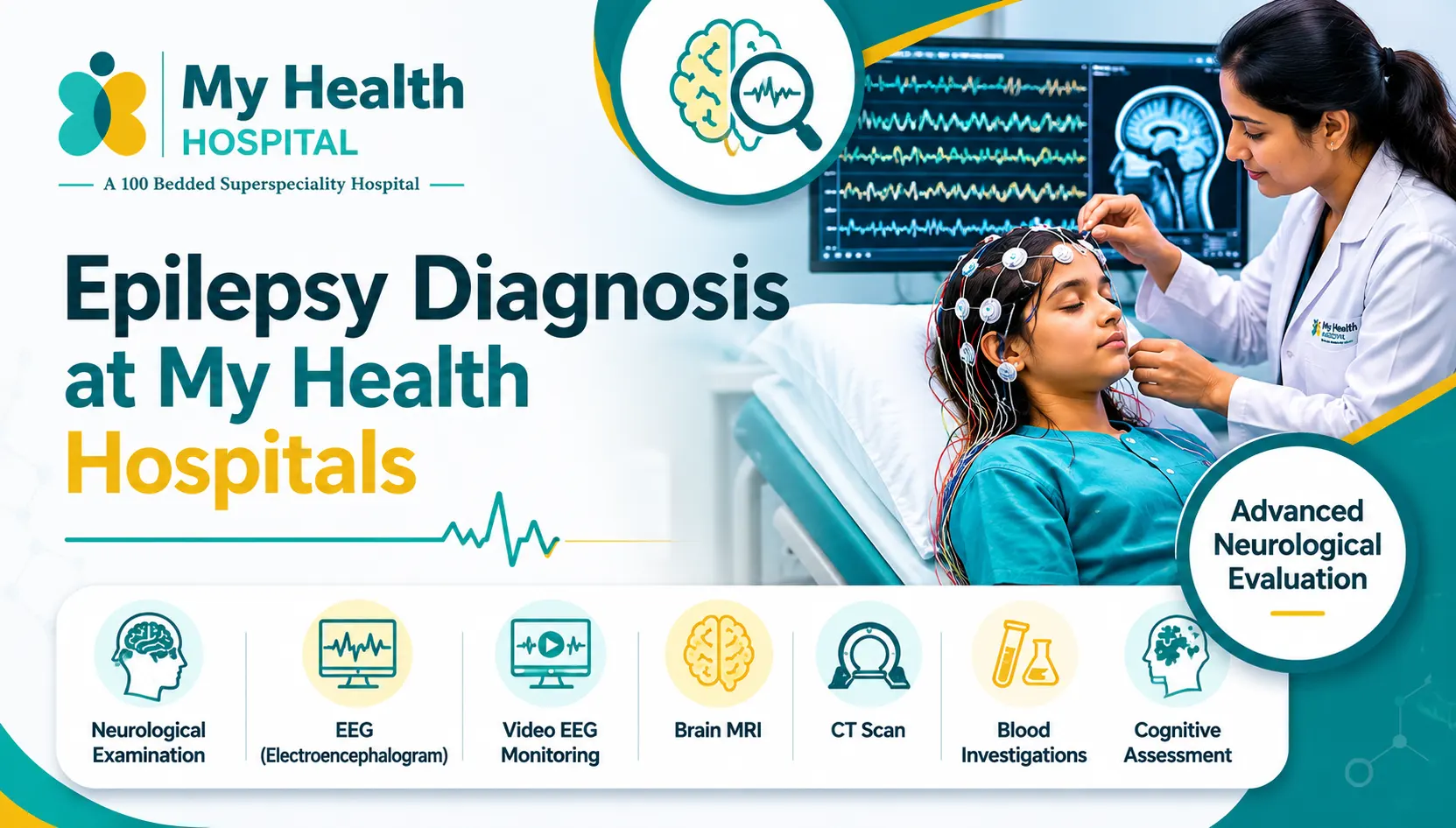
Diagnosis draws on the event history and examination, with tests chosen for the clinical question. EEG records electrical activity and can help classify seizures; a normal routine EEG does not rule out epilepsy. MRI looks for structural changes and is not the same test as an EEG.
An ECG and selected blood tests may help identify heart-related or metabolic explanations for an episode. Further EEG recording, including sleep-deprived, ambulatory or video EEG, may be considered if uncertainty remains. Video EEG combines recorded behaviour and electrical activity; it is a diagnostic assessment, not a treatment.
Confirm the location, appointment arrangements, preparation and charges for any test recommended. Do not stop antiseizure medicine or deliberately lose sleep before testing unless the supervising team specifically instructs you.
Medicines and follow-up
Antiseizure medicines are the main treatment for many people. Selection depends on the seizure type, age, other conditions, interactions and reproductive considerations. Treatment may involve slowly adjusting one medicine before considering another; an unsuitable medicine can worsen some seizure types.
- Take the prescribed dose consistently. Ask for written missed-dose instructions specific to your medicine; do not automatically double a dose.
- Do not stop or change treatment on your own, even when you have been seizure-free. Any reduction needs a specialist plan and discussion of recurrence risk.
- Report sleepiness, dizziness, mood or memory changes and other side effects. A new rash, especially with fever, blistering or mouth sores, needs urgent medical assessment.
- Agree a review date, treatment goals and a way to report breakthrough seizures. Record seizure frequency alongside side effects, rather than assessing treatment from a single good week.
Long-term control is possible for many people, but there is no guaranteed cure or hospital-specific success percentage established by this page. Do not assume every person can stop medicine after a fixed seizure-free period.
When seizures continue despite treatment
Before changing the plan, the clinician reviews whether episodes are epileptic, whether the medicines match the seizure type, adherence, dosing and other factors. Continuing seizures after two appropriately selected and tolerated medicine schedules have failed to achieve seizure freedom should prompt assessment for drug-resistant epilepsy and specialist referral.
| Specialist option | Discussion before a decision |
|---|---|
| Epilepsy surgery assessment | Selected patients need detailed investigations to assess whether a seizure focus can be treated safely. Evaluation does not mean surgery is automatically suitable; benefits and risks depend on the individual. |
| Vagus nerve stimulation (VNS) | An implanted device may reduce seizures for selected people. It does not guarantee seizure freedom and may involve continued medication. |
| Specialist dietary therapy | A ketogenic or related diet requires an epilepsy team and dietitian. Do not start restrictive diets independently. |
These are specialist options, not a statement that implantation, epilepsy surgery or prolonged monitoring is provided at the Tarnaka branch. Confirm referral arrangements, treating specialists and the facility where care would take place.
Seizure first aid for family and carers
- Note the start time. Clear hazards, cushion the head and loosen tight neck clothing. Move the person only if the location is dangerous.
- Do not restrain the movements or put fingers, spoons or other objects into the mouth. Do not force water, tablets or food during impaired awareness.
- When convulsive movements stop, place them on their side if safe, check breathing and stay until recovery.
- If they are not breathing normally afterward, contact emergency services and follow dispatcher instructions, including CPR if advised.
- Follow the individual's rescue plan when available. Give rescue medicine only if prescribed for that person and you have been trained.
Ask for a written seizure action plan that carers, school staff or colleagues can understand. It should explain the person's usual seizures, rescue medicine instructions and when emergency help is required.
Children, pregnancy and everyday safety
Children need age-appropriate assessment
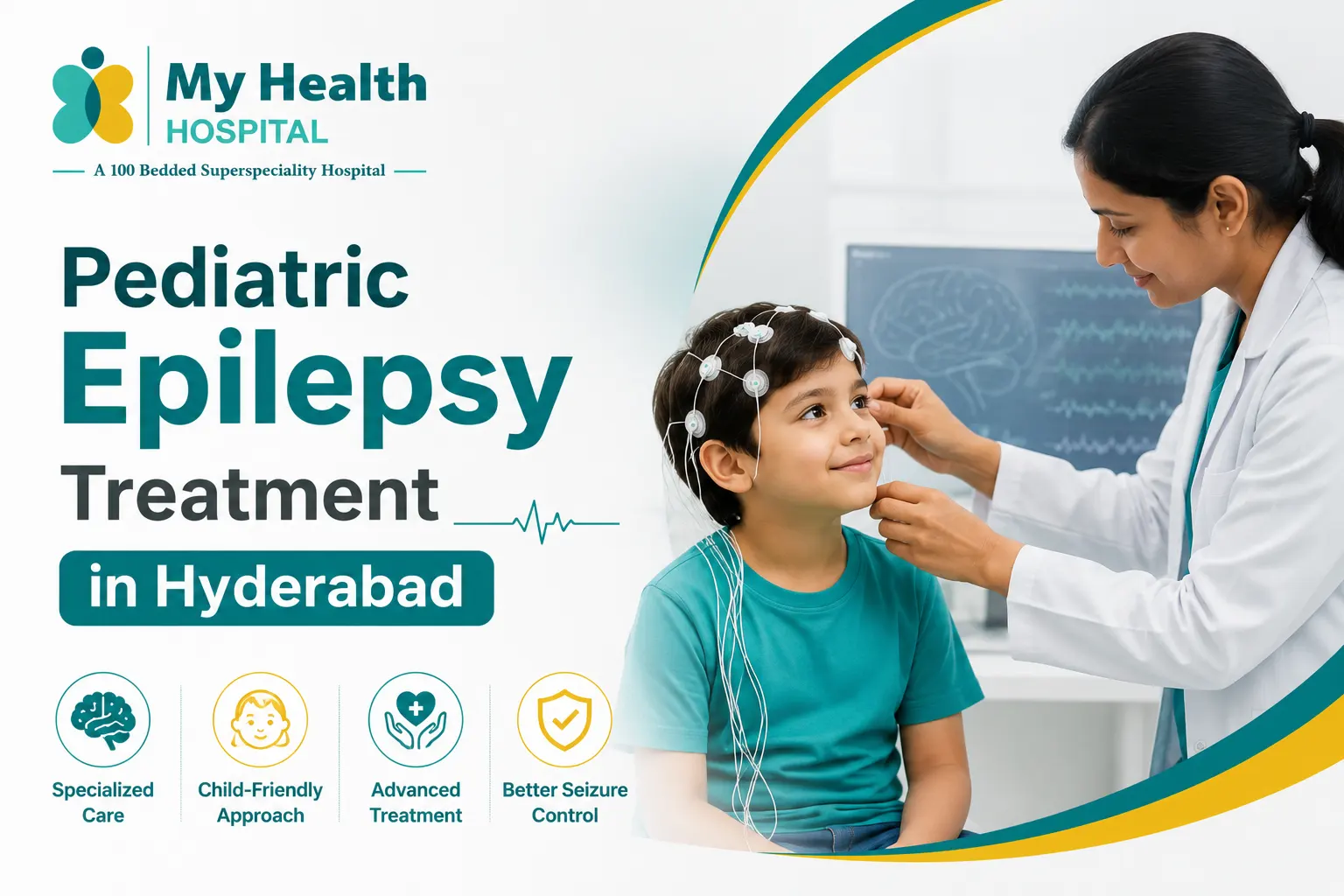
Fever-related seizures do not automatically mean epilepsy. Recurrent episodes, developmental concerns or unusual movements need assessment by a clinician with appropriate paediatric seizure expertise. Confirm the child's age and reason for referral when booking; this page does not establish a dedicated paediatric epilepsy service.
Pregnancy planning and contraception
Ask for a specialist review before pregnancy, including medicine risks, contraception interactions and folic acid advice. If pregnancy occurs unexpectedly, contact the treating team promptly and keep taking prescribed medicine until you receive clinical advice. Abrupt stopping can be dangerous.
Safety and wellbeing
Discuss bathing, swimming supervision, cooking, heights, machinery and sleep. Obtain individual advice about driving and applicable local requirements before returning to it. Ask about seizure-related injury, SUDEP (sudden unexpected death in epilepsy), night-time seizures and ways to reduce personal risk. Report depression, anxiety or significant mood changes during follow-up.
Tarnaka appointments and cost questions
My Health Hospitals, H.No. 12-5-30, White House, Moula Ali Road, South Lalaguda, Tarnaka, Secunderabad, Telangana 500017. For routine consultations, call +91 9100001201.
Ask whether the first visit is a consultation only, which previous reports to bring, and how follow-up and test results will be handled. Costs vary with investigations, medicine choice and any specialist referral. Request an itemised estimate and confirm insurance conditions before planned tests or admission; there is no verified fixed package price on this page.
Frequently asked questions
Who can I consult for epilepsy in Tarnaka?
Dr. C. Shashanka, MBBS, DNB, DM Neurology, is listed as a Tarnaka neurologist with 12+ years of experience. The listed timing is 12:00 PM–3:00 PM. Call +91 9100001201 to confirm availability.
Does one seizure mean I have epilepsy?
Not necessarily. A first seizure needs medical assessment to identify possible triggers, other explanations and the risk of recurrence. Do not diagnose epilepsy from symptoms alone.
Can epilepsy be cured completely?
Some people achieve lasting seizure freedom, while others need ongoing treatment. Outcomes depend on the cause and seizure type. Do not stop medicine without specialist advice.
What is video EEG monitoring?
It records behaviour and brain electrical activity together to help evaluate episodes. It is a diagnostic assessment, not a treatment. Confirm the referral facility and availability if it is recommended.
Is there a guaranteed success rate?
No. This page does not provide an audited hospital-specific success rate. Discuss realistic goals based on your diagnosis, previous treatment and response.
When is a seizure an emergency?
Seek emergency help for a first seizure, a convulsive seizure lasting 5 minutes or longer, repeated seizures without recovery, serious injury or breathing difficulty afterward. Follow a personal rescue plan if it calls for earlier help.
Is epilepsy surgery suitable for everyone?
No. A specialist team must assess likely benefit and risks using detailed investigations. Referral for assessment does not guarantee that surgery will be recommended.
What is vagus nerve stimulation?
VNS uses an implanted device to stimulate a nerve and may reduce seizures in selected patients. It is not a guaranteed cure and is not confirmed as available at this branch by this page.
Can children receive epilepsy assessment?
Yes, but children need age-appropriate expertise. Confirm paediatric seizure assessment or referral arrangements when booking. A fever-related seizure alone does not establish epilepsy.
Does a normal EEG rule out epilepsy?
No. A normal routine EEG cannot exclude epilepsy. The clinician interprets it alongside the episode history and may recommend further assessment.
Can I stop medicines if I become pregnant?
Do not stop abruptly. Contact the specialist promptly to review treatment and pregnancy risks. A planned change, when needed, should be supervised.
What should a carer avoid during a seizure?
Do not restrain the person, place anything in their mouth or give food, water or oral tablets while awareness is impaired. Protect them from injury, time the seizure and follow their action plan.
Related information and further reading
General information: NHS epilepsy guide, NHS seizure first aid, and NICE epilepsy guidance. These resources support discussion with your clinician and do not replace an individual assessment.