

Neurology
Fits (Seizures): Symptoms & Causes
Seizure Care
Fits (Seizures): Symptoms, Causes, Types, First Aid & Treatment
Medically reviewed by Dr. Rahul Nimmakayala, MD (Medicine), DM (Neurology)
A fit, also called a seizure, happens when there is a sudden burst of abnormal electrical activity in the brain. Seizures can look very different: some cause staring or brief changes in awareness, while others cause stiffening, jerking, falling or loss of consciousness.
What is a fit? A fit is a seizure caused by abnormal electrical activity in the brain. A person can have a single seizure without having epilepsy.
What are common symptoms? Symptoms may include staring, altered awareness, sudden falling, stiffening, jerking movements, unusual sensations or confusion after the episode.
What should you do during a seizure? Keep the person safe, protect the head, clear nearby hazards, time the seizure and stay with them. Do not restrain them and do not put anything in their mouth.
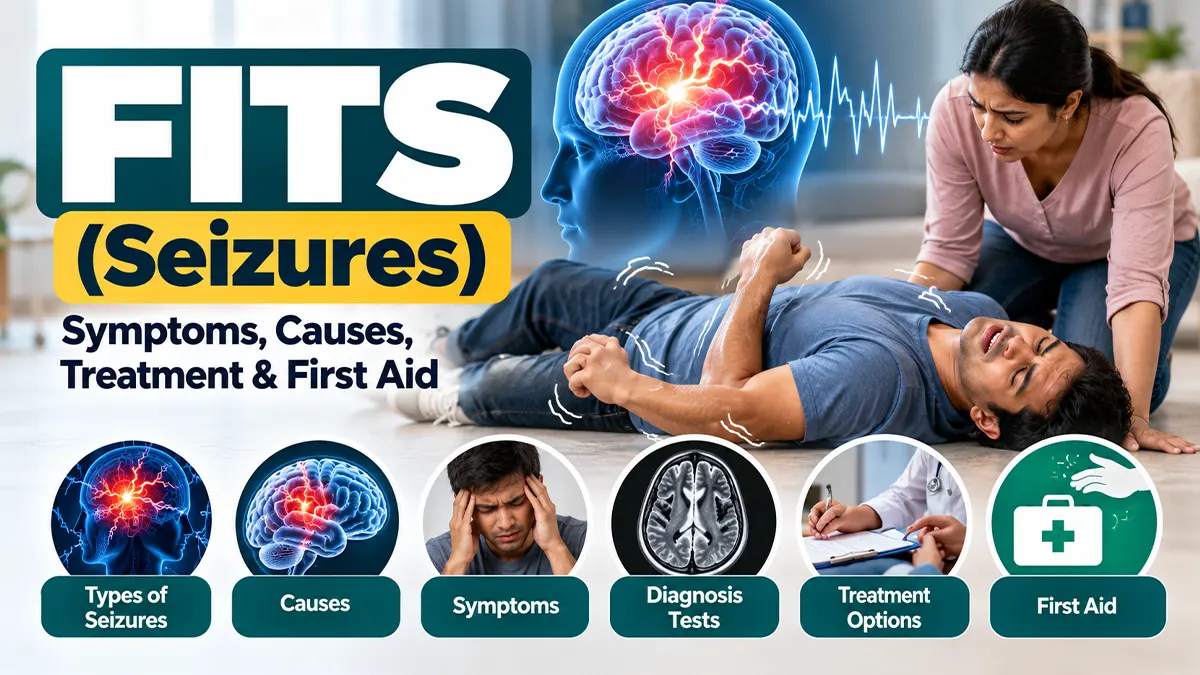
Fits at a Glance
One episode is not always epilepsy
A seizure may occur because of a temporary or identifiable trigger. Epilepsy is a neurological condition involving a tendency to recurrent seizures.
Symptoms vary
Some seizures cause staring or altered awareness, while others cause stiffening, jerking, falling or loss of consciousness.
First aid matters
Keep the person safe, time the seizure and never put objects, food or medicine into the mouth during the seizure.
Add My Health Hospitals as a Preferred Source on Google to see more of our latest health information in relevant Google Search experiences.
What Are Fits or Seizures?
A seizure is a temporary episode caused by abnormal electrical activity in the brain. The way it appears depends on which brain networks are involved. Some seizures may be obvious, while others may involve only a brief change in awareness or unusual sensations.
The term fit is commonly used for a seizure, but a seizure does not automatically mean that a person has epilepsy. A first seizure needs medical assessment to determine its possible cause and the risk of another episode.
Types of Fits and Seizures
Focal seizures
These start in a particular area of the brain. Awareness may be preserved or impaired, and symptoms can include unusual movements, sensations, emotions or behaviour.
Generalized seizures
These involve networks on both sides of the brain. Tonic-clonic seizures can cause loss of awareness, stiffening and rhythmic jerking.
Absence seizures
Brief periods of reduced awareness or staring can occur, often without a fall or large body movements.
Myoclonic seizures
These can cause brief, sudden muscle jerks.
Atonic seizures
These can cause a sudden loss of muscle tone and may result in a fall.
Febrile seizures
These occur in some children during a fever and are different from epilepsy. They need age-appropriate medical assessment.
Symptoms of Fits
Seizure symptoms depend on the type and brain area involved. Possible signs include:
Sudden jerking
Rhythmic or repeated jerking movements can occur in generalized tonic-clonic seizures.
Muscle stiffening
The arms, legs or body may suddenly become stiff.
Staring or reduced awareness
A person may stare blankly and be unable to respond normally for a short period.
Sudden fall
Loss of awareness or muscle tone can cause a person to fall.
Unusual sensations
Some people experience an unusual smell or taste, tingling, visual changes, fear or déjà vu before or during a focal seizure.
Confusion afterward
Confusion, tiredness, headache or sleepiness may occur during the recovery period.
Causes of Fits
Many different conditions can trigger a seizure. The Yashoda reference lists brain tumours, brain infections, brain injury, congenital brain abnormalities, very low blood sugar, very high blood pressure, alcohol or substance use or withdrawal, electric shock, epilepsy, high fever, stroke and electrolyte imbalance among possible causes.
Low blood sugar
Severe hypoglycaemia can affect brain function and may trigger a seizure.
Stroke
Damage to brain tissue from a stroke can cause seizures in some people.
Head injury
Traumatic brain injury can increase seizure risk.
Brain infection
Some infections affecting the brain can trigger seizures.
Electrolyte imbalance
Significant abnormalities in sodium or other electrolytes can disturb brain function.
Alcohol or withdrawal
Heavy alcohol use and withdrawal can both be associated with seizures.
Fits vs Epilepsy: What Is the Difference?
Fit / seizure
A seizure is an individual event caused by abnormal electrical activity in the brain. It may occur once or recur depending on the underlying cause.
Epilepsy
Epilepsy is a neurological condition characterized by a tendency to have recurrent unprovoked seizures. Not everyone who has one seizure has epilepsy.
What to Do During a Fit: First Aid
Do
- Stay calm and stay with the person.
- Move nearby dangerous objects away if possible.
- Protect the head with something soft.
- Loosen tight clothing around the neck.
- Time the seizure from start to finish.
- After the convulsions stop, place the person on their side and monitor breathing.
- Stay with them until they are awake and recovering normally.
Do not
- Do not hold the person down or try to stop the movements.
- Do not put fingers, a spoon, cloth or any other object in the mouth.
- Do not give food, water or oral medicines until the person is fully alert.
- Do not attempt mouth-to-mouth breathing during the seizure.
These first-aid steps are consistent with NHS and CDC seizure first-aid guidance.
When Is a Seizure an Emergency?
Get emergency medical help if it is the person's first seizure, the seizure lasts more than 5 minutes, another seizure starts before the person recovers, the person has trouble breathing or waking afterward, has been seriously injured, or the seizure happens in water.
Pregnancy and diabetes: CDC guidance also recommends emergency help when a person having a seizure is pregnant or has diabetes and loses consciousness.
How Are Fits Diagnosed?
Doctors usually begin by taking a detailed history of what happened before, during and after the event. If possible, information from someone who witnessed the episode can be very helpful. Depending on the situation, evaluation may include:
Neurological examination
The doctor assesses awareness, strength, reflexes, sensation, coordination and other neurological findings.
EEG
An electroencephalogram records brain electrical activity and can help classify seizure disorders.
MRI or CT
Brain imaging may be used to look for structural causes when clinically indicated.
Blood tests
Testing can help identify glucose, electrolyte, infection or other medical abnormalities.
ECG
An ECG may help distinguish some cardiac causes of collapse or altered consciousness from seizures.
Other tests
Additional testing, including genetic or lumbar-puncture studies, is considered only when clinically appropriate.
Treatment for Fits and Epilepsy
Treatment depends on the cause, seizure type, recurrence risk, age, other medical conditions and the individual's response to therapy.
Anti-seizure medicines
These are the main treatment for epilepsy and are selected according to seizure type and individual factors.
Treat the underlying cause
If a seizure is caused by low blood sugar, infection, electrolyte abnormality or another medical condition, that cause needs appropriate treatment.
Surgery
Selected people with drug-resistant epilepsy may be evaluated for epilepsy surgery.
Nerve stimulation
Devices such as vagus nerve stimulation may be considered for selected patients whose seizures remain difficult to control.
Specialist diets
A medically supervised ketogenic diet can be useful for some people, particularly selected children with difficult-to-control seizures.
Do not stop medicines suddenly
If you take anti-seizure medicine, do not change the dose or stop it abruptly without speaking with your treating clinician.
How Can Seizures Be Reduced or Prevented?
Take prescribed medicine regularly
Missing anti-seizure doses can increase seizure risk.
Know your triggers
For some people, sleep deprivation, stress, alcohol, flashing lights or other factors may increase seizure risk.
Keep a seizure diary
Record the date, duration, symptoms, possible triggers and recovery pattern to help your doctor identify patterns.
Follow a safety plan
Tell family members what to do during a seizure and keep emergency instructions available.
Prioritize sleep
Regular sleep can be an important part of seizure self-management for people who have sleep-related triggers.
Attend follow-up appointments
Ongoing review helps assess seizure control, medicine effects and safety concerns.
Living Safely With Epilepsy
People with epilepsy can often lead active lives with appropriate treatment and safety planning. Practical measures include informing close family or colleagues about seizure first aid, carrying medical identification when appropriate, taking medicines as prescribed and discussing activities such as swimming, driving, cooking near heat and operating machinery with a clinician.
Need Evaluation After a Fit?
A neurologist can assess what happened, identify possible causes, determine whether further tests such as EEG or brain imaging are needed, and discuss treatment when appropriate.
Neurology ConsultationMedically Reviewed By