

Foul-Smelling Stools: Is It a Sign of a Digestive Disorder?
Stool naturally has an odor, and a stronger smell after a change in diet may be temporary. However, a persistent change—especially with greasy or pale stools, diarrhea, abdominal pain or unexplained weight loss—can sometimes indicate infection or difficulty digesting and absorbing nutrients. This guide explains possible causes, what to look for and when to get medical advice.
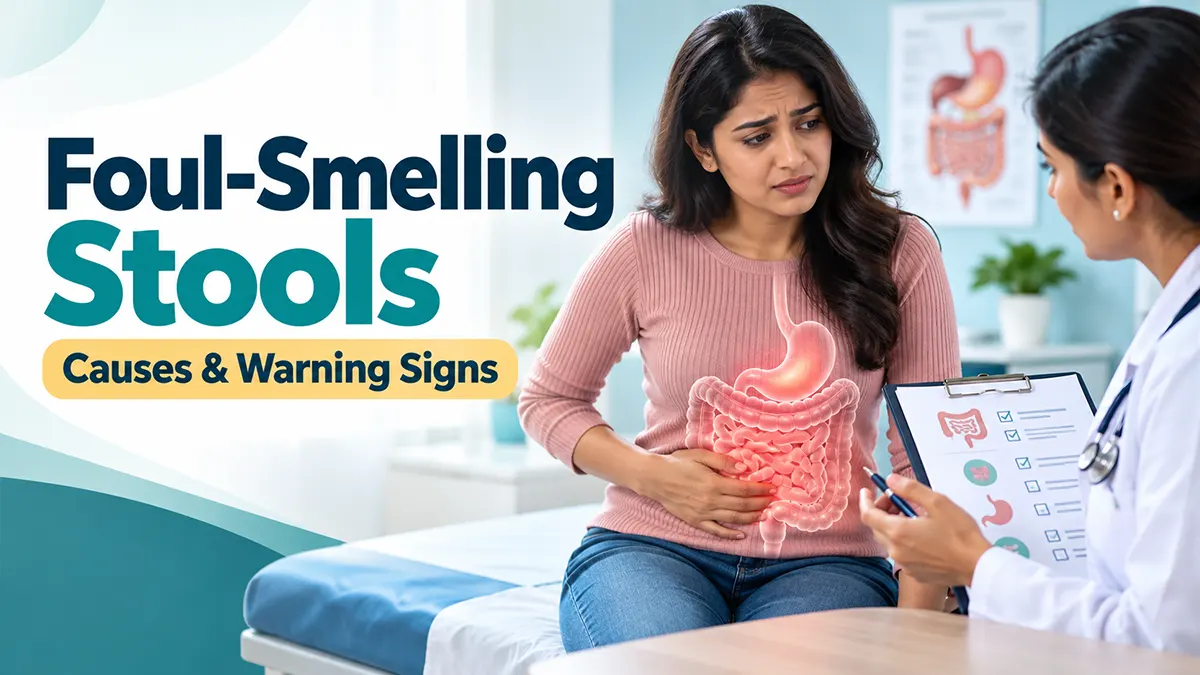
A stool odor by itself cannot diagnose a condition. The pattern of symptoms, stool appearance, recent foods and medicines all matter.
Quick Answer: What Causes Foul-Smelling Stools?
Foul-smelling stools are often related to diet or a short-term digestive upset, but they can also occur with intestinal infections, food intolerance, celiac disease, inflammatory bowel disease or malabsorption. Pale, greasy, difficult-to-flush stool—particularly with unintended weight loss—can be a sign that fat is not being digested or absorbed properly. A new persistent change, blood or black tarry stool, fever, severe abdominal pain or dehydration should be medically assessed.
Is Foul-Smelling Stool Normal?
Stool usually has an unpleasant smell because gut bacteria break down food and produce gases and other waste products. The smell can vary from day to day. A new food, a high-protein meal, foods containing sulfur, a change in routine or a brief bout of diarrhea may make it smell stronger than usual.
What matters is whether the change is temporary or persistent and whether other symptoms appear. One unusually smelly bowel movement after an unfamiliar meal is less concerning than repeated foul-smelling stools accompanied by diarrhea, bloating, greasy appearance, pale colour, fever or unexplained weight loss.
MedlinePlus notes that diet changes can cause foul-smelling stool, while celiac disease, intestinal infection, malabsorption, chronic pancreatitis and inflammatory bowel diseases are among the medical causes that may need assessment. Read the MedlinePlus overview.
7 Possible Causes of Foul-Smelling Stools
The causes range from everyday diet changes to conditions affecting digestion or absorption. These possibilities are not a diagnosis; the symptoms accompanying the odor help determine what needs checking.
Diet Changes and Sulfur-Rich Foods
Eggs, meat, some vegetables such as cabbage, broccoli and cauliflower, and other foods can change stool and gas odor. Large or unfamiliar meals, alcohol and a sudden dietary change may also affect bowel habits.
What to note: Whether the smell started after a particular food and settles when your usual routine returns. Avoid unnecessarily restrictive diets.
Food Intolerance or Poor Digestion
Some people have trouble digesting particular ingredients, such as lactose in dairy products. This can lead to gas, bloating, cramps or loose stools. A food intolerance is different from a food allergy and the pattern can vary between people.
What to note: Whether symptoms reliably follow a specific food. A clinician or dietitian can help assess the pattern without missing other causes.
Intestinal Infection or Parasites
Bacterial, viral or parasitic infections can cause diarrhea and changes in stool odor. Giardia, for example, can cause prolonged diarrhea, gas, bloating and foul-smelling stools. Recent travel, unsafe water or similar illness in household members can be relevant.
What to note: Diarrhea, cramps, nausea, fever, dehydration or recent exposure to potentially contaminated food or water. A healthcare professional may recommend stool testing.
Celiac Disease
Celiac disease is an immune-mediated condition triggered by gluten in susceptible people. It can damage the small intestine and interfere with nutrient absorption. Symptoms may include chronic diarrhea, bloating, abdominal pain and loose, bulky, greasy or bad-smelling stools; some people have few digestive symptoms.
Important: Do not start a gluten-free diet before discussing testing with a clinician, because removing gluten may affect test results.
Malabsorption and Pancreatic Enzyme Problems
Malabsorption means the intestine is not absorbing nutrients normally. Exocrine pancreatic insufficiency (EPI) occurs when the pancreas does not provide enough digestive enzymes. Stools may be greasy, loose, unusually smelly or difficult to flush, and unintended weight loss can occur.
What to note: Persistent oily stools, weight loss or symptoms that recur after meals. A doctor may consider stool elastase, blood tests or other investigations when indicated.
Inflammatory Bowel Disease (Crohn’s Disease or Ulcerative Colitis)
Inflammatory bowel disease causes ongoing inflammation in the digestive tract. Symptoms may include persistent diarrhea, abdominal pain, urgency, blood or mucus in stool, fatigue and unintended weight loss. Odor is not diagnostic, but a lasting change in bowel habits deserves attention.
What to note: Repeated diarrhea, blood or mucus, night-time bowel symptoms, ongoing pain or fatigue.
Medicines, Antibiotics or Other Digestive Conditions
Some medicines and supplements can change digestion or bowel habits. Antibiotics may cause temporary diarrhea and, in some people, contribute to a C. difficile infection that needs medical care. Chronic pancreatitis and other digestive conditions can also affect digestion and stool characteristics.
What to note: When the change started relative to a new medicine, recent antibiotic use, hospital treatment or an established digestive condition. Do not stop prescribed medicine without medical advice.
Black, Tarry or Bloody Stool Needs Prompt Attention
Black, tarry stool with a strong odor may indicate bleeding in the upper digestive tract. Bright red blood or maroon stool can also signal bleeding. Some medicines and supplements can darken stool, but you should not assume the cause without medical advice.
Action: Seek urgent assessment for black, tarry or bloody stool, especially with weakness, dizziness, severe pain or vomiting blood.
Medical references: NIDDK: Celiac disease, NIDDK: Exocrine pancreatic insufficiency and MedlinePlus: Black or tarry stools.
Symptoms That Matter Alongside Stool Odor
Stool smell is only one observation. The following changes can help a clinician decide whether the problem is more likely to be temporary or needs investigation.
| Stool change or symptom | What it may suggest | Recommended action |
|---|---|---|
| Brief odor change after new foods | Diet-related change is possible | Observe whether it settles; note possible food triggers. |
| Greasy, pale, bulky or hard-to-flush stool | Possible fat malabsorption or problems digesting food | Arrange a medical review, particularly if recurrent or accompanied by weight loss. |
| Persistent diarrhea, cramps or fever | Infection or intestinal inflammation may be possible | Contact a healthcare professional; seek urgent care if severe or dehydrated. |
| Blood, maroon stool or black tarry stool | Possible bleeding or another serious cause | Seek prompt medical assessment; emergency care may be needed. |
| Unintentional weight loss, ongoing pain or fatigue | Possible chronic digestive or absorption problem | Arrange an appointment rather than relying on home remedies. |
| Pale/clay stool with dark urine or yellow skin | Possible liver, gallbladder or bile-flow problem | Seek urgent medical advice, especially if pain or fever is also present. |
How Do Doctors Find the Cause?
There is no single test for foul-smelling stools. Your clinician will use the duration and pattern of symptoms to decide whether any investigation is needed.
1. Medical history and examination
You may be asked when the change began, whether every bowel movement is affected, what you have eaten recently, whether you have travelled, whether you have used antibiotics, and if you have pain, diarrhea, fever or weight loss. The clinician may also ask about stool colour, whether it floats or is greasy, current medicines and existing medical conditions.
2. Stool tests
Depending on symptoms and exposures, stool tests may check for bacterial or parasitic infection, hidden blood, inflammation, fat or pancreatic elastase. Not everyone needs all of these tests.
3. Blood tests and further investigations
Blood tests may look for signs of infection, anaemia, nutritional problems, inflammation or celiac disease. Imaging, endoscopy or colonoscopy may be considered if symptoms, examination or initial results suggest an underlying condition.
What Can You Do at Home?
If the change is mild, recent and not accompanied by warning signs, a few practical steps may help you track it while monitoring your symptoms.
- Keep a short food and symptom diary. Record meals, stool consistency, frequency, colour, new medicines and associated symptoms. This can help identify a pattern to discuss with your clinician.
- Stay hydrated. If you have diarrhea, replace fluids regularly. Oral rehydration solution may be useful for losses from diarrhea or vomiting; seek medical advice if you cannot keep liquids down or show signs of dehydration.
- Return to a balanced, familiar diet. If symptoms followed an unusual meal, choose regular meals and observe whether the change settles. Avoid extreme elimination diets.
- Review medicines with a clinician or pharmacist. Mention antibiotics, supplements and any recent medication changes. Do not stop prescribed medicines without advice.
- Do not self-treat possible infection. Antibiotics are not suitable for every cause of diarrhea. Avoid taking leftover antibiotics or anti-diarrheal medicines without advice, especially if there is blood, fever or significant abdominal pain.
- Arrange an assessment if it persists. Repeated changes, especially greasy stools, weight loss, blood, pale stool or ongoing pain, need a cause-based assessment rather than deodorizing or masking the symptom.
For digestive concerns, My Health Hospitals provides access to general medicine and surgical gastroenterology services in Hyderabad. The appropriate department depends on your symptoms and whether you need medical or surgical evaluation. See General Medicine or Surgical Gastroenterology.
When Should You See a Doctor?
Book a medical appointment if the foul smell continues for days, returns repeatedly, or appears with ongoing diarrhea, changes in stool colour or consistency, abdominal cramps, greasy stool, excess gas, fatigue or unexplained weight loss. The exact timing depends on severity, duration and your medical history.
- Seek urgent care for black tarry stool, bloody diarrhea, worsening severe abdominal pain, high fever with significant symptoms, or dehydration.
- Seek emergency care if you faint, become confused, vomit blood, have severe sudden pain, or pass a large amount of blood.
- Get prompt advice after antibiotics if you develop frequent or persistent diarrhea, fever or abdominal pain, because antibiotic-associated infections sometimes require specific treatment.
A doctor can help distinguish temporary food-related changes from infection, malabsorption, inflammation or bleeding. Early evaluation may be particularly important if you have a chronic digestive disease, are older or immunocompromised, or cannot keep fluids down.
Medical Review
This article is an educational draft and should be clinically reviewed by a qualified My Health Hospitals clinician before publication. Add the reviewer’s verified name, qualification and actual review date once approval is complete.
Clinical information cross-checked against MedlinePlus, NIDDK, NHS, Mayo Clinic and other medical references. Last content update: October 16, 2026.
Frequently Asked Questions About Foul-Smelling Stools
These answers cover common questions, but stool odor alone cannot determine which condition someone has.
Medical References
- MedlinePlus: Stools — foul smelling
- NIDDK: Symptoms and Causes of Celiac Disease
- NIDDK: Symptoms and Causes of Exocrine Pancreatic Insufficiency
- NIDDK: Exocrine Pancreatic Insufficiency — Diagnosis and Treatment
- Mayo Clinic: Pancreatitis — Symptoms and Causes
- NHS: Inflammatory Bowel Disease
- Keck Medicine of USC: Is Foul-Smelling Stool a Sign of Cancer?
Need Help With Persistent Digestive Symptoms?
Speak with a healthcare professional if stool changes persist or occur with other symptoms. My Health Hospitals has general medicine and surgical gastroenterology services in Hyderabad; confirm the appropriate department and appointment availability before visiting.
Explore Gastroenterology CareGeneral MedicineBook an AppointmentKukatpally: +91 91116 74111 | Tarnaka: +91 91000 01201
Medical disclaimer: This article is for education only and does not replace professional medical advice, diagnosis or treatment. Do not self-diagnose from stool odor or start/stop medication without advice. Seek urgent care for blood or black tarry stool, severe abdominal pain, fainting or significant dehydration.