-
 Kphb Branch
+91 9111674111
-
Tarnaka Branch
+91 9100001201
- Book Appointment
+91 9111674111
+91 9100001201
Gastroenterology
The best diet for a healthy liver is not based on one special food, juice or supplement. It is an overall eating pattern built around vegetables, whole fruits, whole grains, pulses, beans, appropriate protein and healthier fats, while limiting excess added sugar, highly processed foods and unhealthy fats.
Diet becomes especially important when a person has fatty liver, overweight or obesity, diabetes, high triglycerides or other metabolic risk factors. In these situations, improving food quality, portion sizes and physical activity can support better liver health.
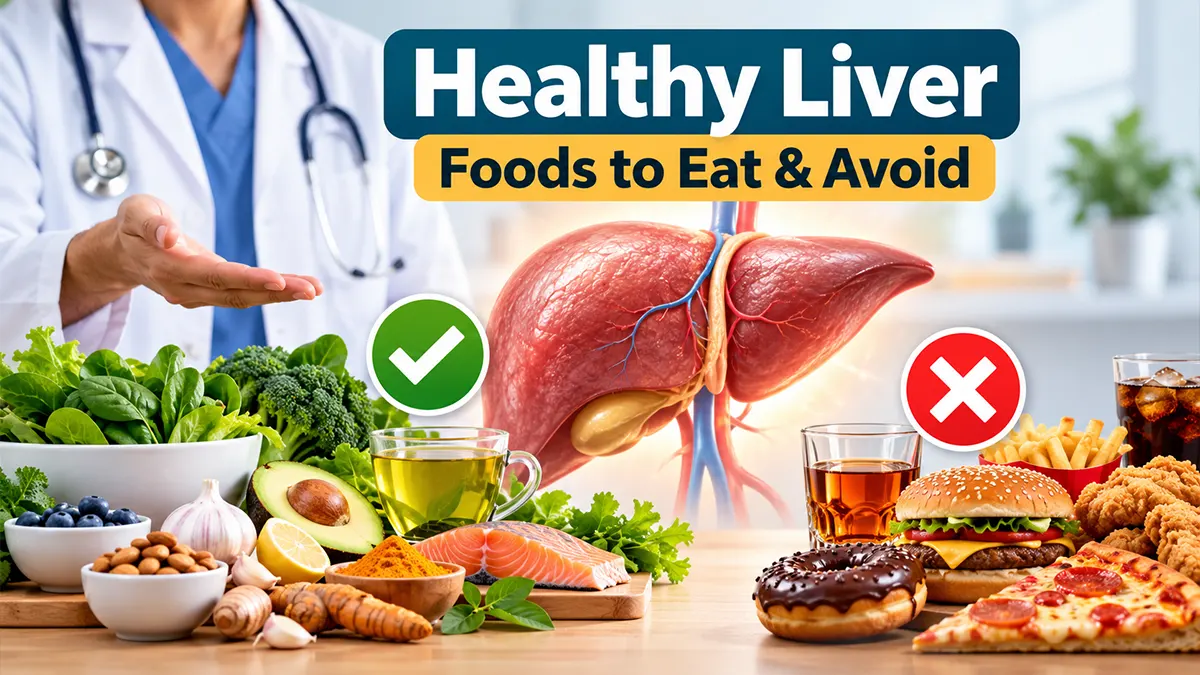
There is no single “liver-cleansing diet.” The liver already performs complex metabolic functions, including processing nutrients and medications and breaking down substances in the body. A healthy eating pattern supports the conditions associated with good metabolic health rather than “flushing” toxins from the liver.
For general liver health, build most meals around vegetables, whole fruits, whole grains, pulses, beans, nuts, seeds and appropriate protein. Choose healthier unsaturated fats in sensible portions and reduce foods high in added sugar, saturated fat and excess salt.
The goal is dietary balance, not a list of “superfoods.” People with specific liver diseases may require different nutrition advice.
A healthy liver diet is usually more about reducing dietary patterns that contribute to excess calories, metabolic problems and liver fat than about completely eliminating individual foods.
Fatty liver is a broad term and can have different causes. Metabolic dysfunction-associated steatotic liver disease (MASLD), previously called nonalcoholic fatty liver disease (NAFLD), is associated with metabolic risk factors such as overweight or obesity, insulin resistance, type 2 diabetes and abnormal blood lipids.
For people with metabolic fatty liver, doctors may recommend healthier food choices, appropriate portion sizes, regular physical activity and gradual weight loss when overweight or obese. Even without weight loss, physical activity can be beneficial. Rapid weight loss should be avoided.
It can. NIDDK notes that in people with overweight or obesity and NAFLD, losing at least 3% to 5% of body weight may reduce liver fat, while a greater amount of gradual weight loss may be needed to improve inflammation or fibrosis. The appropriate target should be individualized with a healthcare professional.
The following is a general example, not a prescription. Portions should be adjusted for age, body size, activity level, diabetes, kidney disease and any diagnosed liver condition.
| Meal | Example choices |
|---|---|
| Early morning | Water; unsweetened tea or coffee if suitable for you |
| Breakfast | Vegetable oats, vegetable upma, idli with sambar, poha or whole-wheat options |
| Mid-morning | One whole fruit or a small portion of unsalted nuts |
| Lunch | Moderate portion of rice or roti + dal/beans + vegetables + plain curd |
| Evening | Roasted chana, sprouts, fruit or another minimally processed snack |
| Dinner | Vegetables + dal/lean protein + roti or another suitable whole-grain option |
Yes. Rice does not automatically need to be removed from an Indian diet. What matters is the overall eating pattern, portion size and what you eat with it. A moderate serving of rice combined with vegetables, dal or another suitable protein source can form a balanced meal.
If you have diabetes, insulin resistance or fatty liver, your doctor or dietitian may recommend individualized carbohydrate portions based on your glucose control and overall calorie needs.
Whole fruits can be part of a healthy diet. Prefer whole fruit over frequent fruit juice because whole fruit provides fiber and generally takes longer to consume. For people with diabetes or specific medical conditions, fruit portions may need to be individualized.
Lemon water can be a refreshing, low-sugar beverage if you enjoy it, but it should not be described as a liver detox or cleanse. There is no need to use a special drink to “flush toxins” from a healthy liver.
Adequate hydration is part of general health, but there is no universal liver-specific requirement that every adult must drink exactly 2.5 or 3 liters every day. Fluid needs vary with body size, activity, climate, diet and medical conditions.
The main goal is to avoid making sugary beverages a regular source of excess calories and added sugar. NIDDK specifically recommends limiting drinks and foods containing large amounts of simple sugars, including sweetened soft drinks and sweetened beverages.
Unsweetened coffee can fit into a healthy dietary pattern for many adults, and observational research has associated coffee consumption with several favorable liver outcomes. However, coffee is not a treatment for liver disease, and adding large amounts of sugar or high-calorie creamers can work against dietary goals. If caffeine is unsuitable for you, there is no need to force yourself to drink coffee.
No. “Liver detox” supplements should not be treated as a substitute for a balanced diet or medical treatment. Some herbal and dietary supplements can cause liver injury or interact with medicines. If you have liver disease, discuss supplements with your doctor before taking them.
Diet advice is not a substitute for evaluation when liver disease is suspected. Speak with a doctor if you have abnormal liver blood tests, persistent symptoms, known fatty liver, hepatitis, significant alcohol exposure or another diagnosed liver condition.
Seek prompt medical assessment for concerning symptoms such as:
A balanced diet rich in vegetables, whole fruits, whole grains, pulses, beans, appropriate protein and healthier fats is a practical foundation. Limit excess added sugar, highly processed foods and unhealthy fats.
Vegetables, whole fruits, oats and other whole grains, dal, beans, nuts, seeds, plain curd or yogurt and suitable lean protein can all fit into a liver-friendly eating pattern.
Limit sugary drinks, foods with large amounts of added sugar, frequent fried foods, highly processed foods and excess saturated fat. Alcohol may need to be completely avoided depending on the liver condition.
Metabolic fatty liver can improve with healthy eating, physical activity and appropriate gradual weight loss when overweight or obese. The degree of improvement depends on the stage and cause of liver disease.
Milk and plain curd or yogurt can be part of a balanced diet for many people. The appropriate type and portion depend on calorie needs, diabetes, kidney disease and the specific liver condition.
No. Coconut water is not required to maintain a healthy liver and is not a liver cleansing treatment. Plain water is sufficient for routine hydration for most people, unless a clinician has advised a different fluid plan.
Suitable portions of lean protein such as chicken or fish can fit into many healthy eating patterns. Preparation matters: grilled, baked, steamed or lightly cooked options are generally preferable to deep-fried preparations.
Not necessarily. Carbohydrate quality and portion size matter. Whole grains, pulses, vegetables and whole fruits can provide useful carbohydrates and fiber. Individual carbohydrate needs should be adjusted if you have diabetes or another condition.
It may help when abnormal liver enzymes are related to metabolic or dietary factors, but elevated liver enzymes have many possible causes. Persistent or significant abnormalities should be medically evaluated rather than treated with diet alone.
No. Detox drinks do not replace the liver's normal metabolic functions and should not be promoted as a treatment for liver disease.
Medical note: This article provides general nutrition information and is not a substitute for diagnosis or individualized medical advice. People with cirrhosis, hepatitis, liver failure, diabetes, kidney disease, pregnancy, malnutrition or other medical conditions may need a specialized diet.

This article is medically reviewed by Dr. Krishna Chaitanya Vattem, Surgical Gastroenterologist at My Health Hospitals, Hyderabad.
His clinical area includes gastrointestinal and hepatobiliary conditions, with an evidence-based approach to diagnosis, treatment and surgical care.
Medical nutrition should be individualized when a patient has a diagnosed liver condition, advanced disease or other conditions that affect dietary needs.
The best diet for a healthy liver is a balanced eating pattern that includes vegetables, whole fruits, whole grains, pulses, beans, suitable protein and healthier fats. Limit excess added sugar, highly processed foods and frequent fried foods.
Vegetables, whole fruits, whole grains, dal, beans, nuts, seeds, plain curd or yogurt and suitable lean protein can all fit into a liver-friendly eating pattern.
Limit sugary drinks, foods high in added sugar, frequent fried foods, highly processed foods and excess saturated fat. Alcohol may need to be completely avoided depending on the liver condition.
A fatty liver diet should emphasize vegetables, whole foods, appropriate portions, whole grains, pulses and suitable protein while reducing sugary drinks, excess added sugar and highly processed foods. Regular physical activity and gradual weight management may also help when appropriate.
Yes. Healthy eating, regular physical activity and gradual weight management can improve metabolic fatty liver disease when appropriate. The right approach depends on the person's overall health and stage of liver disease.
Rice does not automatically need to be eliminated. Portion size, the overall meal and the type of carbohydrate matter. A moderate portion of rice paired with vegetables, dal or another suitable protein can be part of a balanced Indian diet.
Yes. Whole fruits can be part of a healthy diet. Whole fruit is generally preferable to frequent fruit juice because it provides fiber and is less concentrated than juice.
There is no single fruit that can cleanse or repair the liver. Apples, guava, oranges, papaya, berries and other whole fruits can be included as part of a varied and balanced diet.
Lemon water can be a refreshing, low-sugar drink if you enjoy it, but it does not detoxify or cleanse the liver. It can simply be one way to make drinking water more appealing.
There is no universal liver-specific water target for every adult. Fluid needs vary according to body size, activity, climate and medical conditions. People with a prescribed fluid restriction should follow their clinician's advice.
Milk and plain curd or yogurt can fit into a balanced diet for many people. The appropriate type and portion depend on calorie needs, diabetes, kidney function and the person's specific medical condition.
Unsweetened coffee can fit into a healthy dietary pattern for many adults. Research has associated coffee consumption with favorable liver outcomes, but coffee is not a treatment for liver disease.
Suitable portions of lean chicken can fit into many healthy eating patterns. Grilled, baked, steamed or lightly cooked chicken is generally preferable to deep-fried preparations.
Eggs can be included in a balanced diet for many people with fatty liver. The overall dietary pattern, portion sizes and cooking method are more important than treating one food as a cure or a cause of fatty liver.
Rather than focusing on complete elimination of every source of carbohydrate, it is more useful to limit excess added sugar and sugary drinks and follow an overall balanced eating pattern. Individual advice may be needed if you have diabetes.
There is no good reason to rely on detox drinks to cleanse the liver. The liver performs its own metabolic and detoxification functions. A balanced diet, physical activity and appropriate medical care are more important for liver health.
A healthier diet may help when abnormal liver enzymes are related to metabolic or dietary factors, but elevated liver enzymes can have many causes. Persistent or significant abnormalities should be evaluated by a healthcare professional.
A balanced breakfast could include vegetable oats, vegetable upma, idli with sambar, poha or another whole-food option, depending on your dietary needs. Avoid making sugary drinks and highly processed breakfast foods a regular habit.
Yes. A balanced diet, regular physical activity, appropriate weight management and treatment of underlying medical conditions are more important than relying on liver supplements. Do not start herbal or dietary supplements without discussing them with your healthcare professional.
Consider medical evaluation if you have abnormal liver test results, known fatty liver, hepatitis or persistent symptoms. Yellowing of the eyes or skin, abdominal swelling, vomiting blood, black stools, confusion or rapidly worsening symptoms require prompt medical attention.
Expert-written medical articles from My Health Hospitals
Find the Best Hospital Near You
H.No 15-24-212, MIG-212, Rd Number 1, K P H B Phase 1, Kukatpally, Hyderabad, Telangana 500072
H.No:-12-5-30, WhiteHouse, Moula Ali Rd, South Lalaguda, Tarnaka, Secunderabad, Telangana 500017