
-
 Kphb Branch
+91 9111674111
-
Tarnaka Branch
+91 9100001201
- Book Appointment
+91 9111674111
+91 9100001201
General Medicine


A general physician is often the first doctor to consult when a health problem is new, unclear, recurring or affecting more than one part of the body. This page explains the role of general medicine, the conditions commonly assessed, the tests that may be considered and when specialist care may be appropriate.

Primary care can be useful when you have symptoms that need assessment but the cause is not yet clear. Examples include:
General medicine focuses on the overall medical picture rather than one organ alone. Depending on the complaint, a physician may:

Fever is a temporary increase in body temperature, often due to infection. It indicates an immune response to illness.
READ MORE
Dengue fever is a viral illness transmitted by mosquitoes, causing high fever, severe headache, pain behind eyes..
READ MORE

Hypertension, or high blood pressure, is a condition where the force of blood against artery walls is consistently..
READ MORE
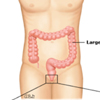
Gastroenteritis is inflammation of the stomach and intestines, causing diarrhea, vomiting, abdominal cramps, and dehydration, often caused by viruses.
READ MORE

Diabetes is a chronic condition where the body cannot properly regulate blood sugar levels, leading to symptoms like fatigue and frequent urination.
READ MORE

Seasonal flu is a contagious respiratory illness caused by influenza viruses, leading to fever, cough, sore throat, and body aches.
READ MORE
The exact diagnosis depends on the person's symptoms, history and examination. A general physician may assess problems such as:
Fever, respiratory infections, viral illnesses and other common infections may be assessed before deciding whether testing or additional care is needed.
General medicine follow-up can include blood-glucose review, medication review, lifestyle guidance and monitoring for complications.
Repeated blood-pressure readings and assessment of cardiovascular risk can help guide long-term management.
Symptoms such as acidity, vomiting, diarrhea, constipation and abdominal discomfort may require history, examination and selected tests.
Fatigue, weight changes and other symptoms may lead to thyroid or metabolic evaluation when clinically indicated.
Flu-like symptoms, cough, sore throat and other seasonal complaints can be evaluated and managed according to the suspected cause.
| Test or assessment | Why it may be considered |
|---|---|
| Blood pressure measurement | Assessment and monitoring of elevated blood pressure. |
| Blood glucose / HbA1c | Evaluation or monitoring of diabetes and abnormal blood sugar. |
| Complete blood count (CBC) | May help assess anemia, infection or other blood-related findings depending on symptoms. |
| Liver or kidney function tests | May be considered when symptoms, medicines or existing conditions warrant organ-function assessment. |
| Thyroid tests | May be requested when symptoms or examination suggest a thyroid disorder. |
| Urine testing or imaging | Selected according to urinary, abdominal or other symptoms and examination findings. |
A general physician can coordinate care when a problem needs focused evaluation. Depending on the findings, referral may involve cardiology, endocrinology, gastroenterology, nephrology, neurology, orthopedics or another specialty.
Seek urgent medical attention rather than waiting for a routine consultation if there is severe breathing difficulty, chest pressure or pain, sudden weakness or confusion, loss of consciousness, severe bleeding, or another rapidly worsening emergency symptom.
People searching for a general physician near me may also come from Mettuguda, Habsiguda, Moulali, Uppal and surrounding areas. When comparing options, check the doctor's qualifications, the type of medical problems handled, consultation availability, access to relevant investigations and the process for follow-up or specialist referral.
Choosing a general physician is not only about distance. A useful primary-care relationship depends on appropriate assessment, clear communication, sensible testing, treatment follow-up and referral when specialist input is needed. For people in Tarnaka and nearby Secunderabad areas, this page can be used as a practical checklist when comparing general medicine care.
What is a general physician? A general physician provides first-contact medical care, assesses a wide range of adult health problems and coordinates further care when necessary.
When should I see one? Consider a consultation for persistent or unexplained symptoms, common illnesses, chronic-condition follow-up or when you are unsure which specialist to see.
Can a general physician order tests? Yes. Tests may be recommended when the symptoms, examination or medical history make them clinically appropriate.
Can a general physician refer me to a specialist? Yes. Referral may be recommended when a condition needs focused specialist assessment or treatment.
How should I prepare? Carry previous reports, medicine details, allergy information and a brief record of your symptoms or recent home readings.
A general physician provides first-contact medical care for a wide range of adult health concerns, including common illnesses and many long-term conditions.
Depending on the clinical situation, a general physician may assess fever, infections, digestive complaints, diabetes, high blood pressure, thyroid concerns, respiratory symptoms and other common medical problems.
See a general physician when symptoms are persistent, unexplained, recurring or affecting your daily activities, or when you need routine follow-up for a chronic condition.
Yes. A general physician can assess fever, look for possible causes and decide whether examination, testing, supportive care or referral is appropriate.
General physicians may monitor blood glucose, review medicines and lifestyle measures, assess risk factors and arrange specialist care when needed.
Yes. Blood pressure can be assessed and monitored in general medicine, with treatment and follow-up based on the individual's readings and overall cardiovascular risk.
Depending on symptoms and medical history, tests may include blood pressure measurement, blood glucose or HbA1c, CBC, kidney or liver function tests, thyroid tests, urine testing or selected imaging.
No. Testing is not automatically required at every visit. A physician generally selects investigations according to symptoms, examination findings, medical history and the purpose of follow-up.
Yes. If the evaluation suggests that focused specialist care is needed, the general physician can recommend referral to an appropriate specialty.
Carry relevant previous reports, a list of medicines and supplements, known allergy information and a brief record of symptoms or recent home readings when relevant.
Consider qualifications, relevant clinical experience, the types of conditions assessed, consultation availability, follow-up arrangements and access to appropriate diagnostic services.
The terms can overlap in everyday use. Both may provide first-contact and ongoing care, while the exact scope of practice depends on the doctor's training and clinical setting.
Yes. General medicine can be useful when several health concerns occur together because the physician can review the overall medical picture and coordinate referrals when required.
Yes. Persistent fatigue can have many possible causes. A physician can review symptoms, medical history and examination findings and decide whether testing or referral is appropriate.
Yes. A physician can assess the headache pattern and look for warning signs or possible causes. Sudden severe headache or headache with neurological symptoms needs urgent medical assessment.
Yes. Symptoms such as acidity, vomiting, diarrhea, constipation or abdominal discomfort can be assessed in general medicine, with referral if a specialist evaluation is needed.
Seek urgent care for severe breathing difficulty, chest pain or pressure, fainting, sudden weakness or confusion, severe bleeding, or rapidly worsening symptoms.
They can be. Preventive care may include reviewing risk factors, vaccinations or screening needs, lifestyle measures and monitoring of existing health conditions.
People in Tarnaka and nearby areas such as Habsiguda, Mettuguda, Moulali and Uppal can compare local general medicine services based on qualifications, availability, access and follow-up arrangements.
The source page does not provide a current verified consultation fee. Fees can vary by doctor, facility, visit type and services provided, so confirm the current charge directly before the appointment.
Find the Best Hospital Near You
H.No 15-24-212, MIG-212, Rd Number 1, K P H B Phase 1, Kukatpally, Hyderabad, Telangana 500072
H.No:-12-5-30, WhiteHouse, Moula Ali Rd, South Lalaguda, Tarnaka, Secunderabad, Telangana 500017