

GI and Laparoscopic
Hernia
Laparoscopic
Hernia Treatment in Tarnaka & Secunderabad
For a hernia assessment at My Health Hospitals, Tarnaka, consult Dr. T. Phanindra, General Surgeon, MBBS, MS, FMAS, with 10+ years experience. Consultation: 10:00 AM–5:00 PM; call +91 9100001201 to confirm availability. The surgeon will assess the hernia type, symptoms and whether observation or repair is appropriate. Confirm the operating surgeon and actual surgery location before booking.
Book An Appointment
Dr. T. Phanindra
MBBS, MS , FMAS
(Fellowship in Minimal Access Surgery)
General Surgeon
Tarnaka: 10:00 AM–5:00 PM
10+ Years Experience
Tarnaka appointments
+91 9100001201
Hernia
An inguinal hernia is a groin bulge caused by abdominal contents passing through a weak area. It does not usually heal by itself. Selected men with few or no symptoms may choose watchful waiting with follow-up; painful, enlarging or complicated hernias need surgical assessment. Open and laparoscopic repair are options when appropriate.
Causes & Risk Factors
The causes of inguinal hernias can vary, but they generally result from a combination of muscle weakness and increased pressure in the abdominal area. Some common causes include:
- Weakness in the abdominal wall: Certain individuals are born with a naturally weak abdominal wall, making them more prone to hernias.
- Aging: As people age, their muscles and tissues naturally weaken, increasing the risk of hernias.
- Heavy lifting or straining: Activities that involve frequent or excessive lifting, straining during bowel movements, or persistent coughing can strain the abdominal muscles and contribute to hernias.
- Chronic conditions: Conditions that cause persistent coughing or put pressure on the abdomen, such as chronic obstructive pulmonary disease (COPD) or obesity, can increase the likelihood of hernias.
- Pregnancy: The pressure exerted on the abdominal wall during pregnancy can lead to the development of hernias, particularly in women.
Tarnaka address: H.No 12-5-30, White House, Moula Ali Road, South Lalaguda, Tarnaka, Secunderabad, Telangana 500017. Bring medication and allergy lists, previous scans and details of earlier hernia or abdominal operations.

Symptoms & When to Seek Help
The symptoms of an inguinal hernia can vary depending on the severity and size of the hernia. Common symptoms include:
- Bulge or lump: The most noticeable symptom is a bulge or swelling in the groin area or scrotum. The bulge may be more prominent when standing, coughing, or straining and may disappear when lying down.
- Pain or discomfort: You may experience pain or discomfort in the groin area, especially when bending, lifting, or coughing. The pain may range from mild to severe.
- Weakness or pressure: A feeling of weakness, pressure, or heaviness in the groin area may be present.
- Burning or aching sensation: Some individuals with inguinal hernias may experience a burning or aching sensation around the bulge.
- Groin discomfort: Discomfort or a dragging sensation in the groin area, especially after physical activity, can be a symptom.
Seek emergency assessment for sudden severe pain, a hard or stuck bulge, discoloration, vomiting or abdominal swelling. Do not force a painful bulge back inside or wait for an appointment. For other symptoms, arrange a clinical examination.

Assessment & Investigations
Diagnosis often starts with a physical examination. Imaging is selected when the diagnosis is uncertain or the hernia is complex or recurrent; not every patient needs every scan listed below.
- Physical examination: A healthcare professional will perform a thorough physical examination, which may involve checking for a visible or palpable bulge in the groin area. They may ask you to cough or strain during the examination to assess the hernia's size and the presence of any associated symptoms.
- Ultrasound: Ultrasound imaging is commonly used to confirm the diagnosis of an inguinal hernia. It can help visualize the hernia, assess its size, and determine if any organs or structures are trapped within the hernia sac.
- CT scan: In some cases, a computed tomography (CT) scan may be ordered to provide more detailed images of the inguinal region. CT scans can help identify the location, size, and extent of the hernia, as well as detect any complications or associated conditions.
- MRI: Magnetic resonance imaging (MRI) may be used to evaluate inguinal hernias, especially in cases where the diagnosis is uncertain or to assess for complex or recurrent hernias. MRI can provide detailed images of the soft tissues and help identify any additional abnormalities.
At the visit, describe when the bulge appears, whether it changes on lying down, pain, bowel symptoms and previous repairs. Ask which tests can be arranged at Tarnaka and whether any specialist investigation requires referral.

Your Treatment Options
The treatment options for inguinal hernias typically involve surgical repair. There are two main approaches to surgical treatment:
- Open Hernia Repair: This traditional method involves making an incision directly over the hernia. The protruding tissue is pushed back into place, and the weakened area of the abdominal wall is reinforced using sutures or a synthetic mesh. The incision is then closed with stitches or surgical staples.
- Laparoscopic Hernia Repair: In this minimally invasive procedure, small incisions are made near the hernia site. A laparoscope, a thin tube with a camera, is inserted to provide visualization. Surgical instruments are used to repair the hernia from within the abdomen. Mesh is often used to reinforce the weakened area. The incisions are then closed with sutures or surgical glue.
The choice of surgical approach depends on various factors, such as the size and type of hernia, the surgeon's expertise, and the patient's overall health. Laparoscopic repair may offer advantages such as shorter recovery time, less post-operative pain, and smaller scars, but it may not be suitable for all cases.
Watchful waiting may be suitable for selected men with a minimally symptomatic inguinal hernia, with follow-up and clear warning signs. This approach should not be automatically applied to women, children or suspected femoral hernias; they need separate assessment.
Before consent, discuss mesh and non-mesh suitability, anesthesia, recurrence and persistent pain, as well as bleeding, infection, urinary retention and injury to nearby structures. Request fasting and medication instructions; do not stop prescribed medicines yourself. Ask for a written quote covering surgeon, anesthesia, theatre, mesh, room, tests and follow-up, including exclusions and insurance requirements.
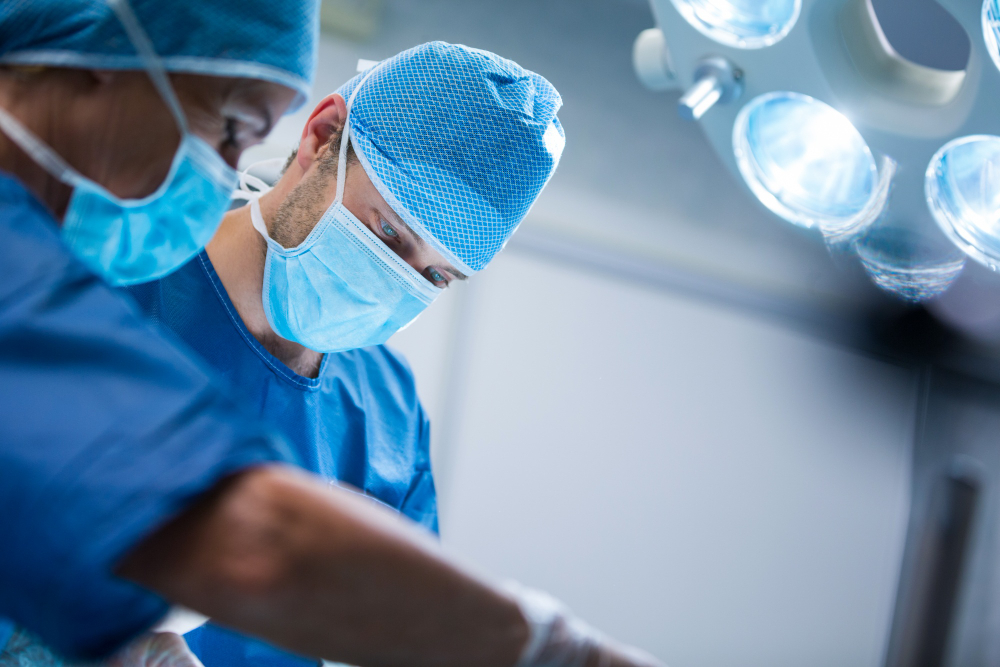
Inguinal Hernia
Can an inguinal hernia go away on its own?
An inguinal hernia does not usually heal on its own. Selected men with few or no symptoms may choose watchful waiting under medical supervision. Surgery is considered according to symptoms, hernia type and clinical findings; emergency warning signs require immediate care.
Is it safe to exercise with an inguinal hernia?
Ask the clinician which activities are suitable for your hernia and symptoms. Avoid activities that provoke pain or make the bulge difficult to manage; exercise does not close the defect. After surgery, follow individual advice for work, driving and lifting.
Can an inguinal hernia come back after surgery?
A hernia can recur after repair. Risk varies with the hernia, technique and individual factors. Report a new bulge or persistent pain, and follow the operating team’s recovery instructions. General information: NIDDK inguinal hernia guidance. This page does not replace an examination.
Still Have a Question?
For non-urgent appointments, call Tarnaka below or use the enquiry form. Do not wait for an enquiry response when emergency warning signs occur.
+91 9100001201