Keep moving within your limits
Continue manageable daily activities and build up gradually. Avoid prolonged bed rest. Modify activities that substantially aggravate symptoms.


+91 9111674111
+91 9100001201
Spine Care
Back pain can affect work, sleep and everyday activities. Many episodes improve, but the right response depends on the symptoms and their cause. Pain does not always mean the spine is damaged.
This guide focuses on adult lower back pain. New symptoms, an injury or changes in bladder, bowel or leg function need particular attention.
Seek emergency assessment for back pain with new difficulty passing urine, loss of bladder or bowel control, numbness around the genitals or anus, or symptoms affecting both legs such as weakness or loss of sensation. These may indicate serious nerve compression.
Back pain with chest pain or following a serious accident also needs emergency assessment. Do not wait for a routine orthopaedic appointment.
Get urgent advice for rapidly worsening or sudden severe pain, fever or feeling generally unwell. New or worsening leg weakness also needs prompt assessment.
Often, a single specific structural cause cannot be identified; this is called non-specific low back pain. It is real pain even when a scan does not identify one clear explanation. Sometimes a strain, disc problem, irritated nerve or inflammatory condition contributes. Less commonly, fracture, infection or cancer is involved.
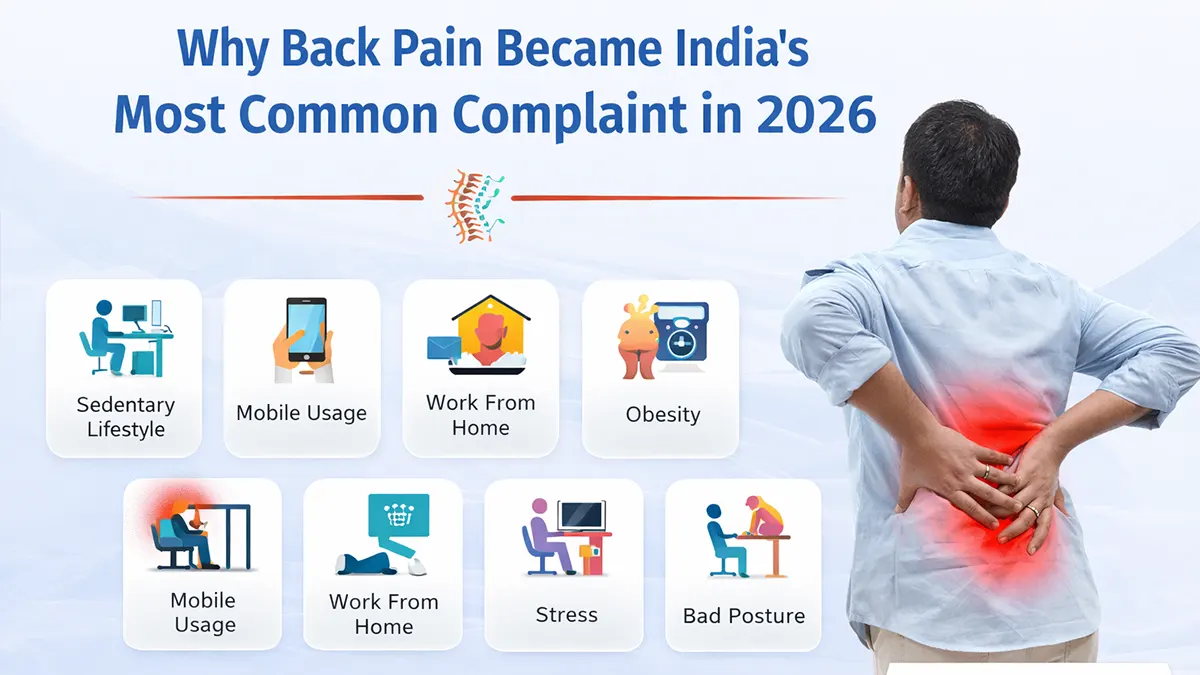
Low activity, smoking, higher body weight and physically demanding work are associated with back pain. Symptoms and recovery can also be influenced by sleep, stress and other health conditions. No single factor explains every episode.
Long periods in one position can be uncomfortable. Try changing position, taking movement breaks and adjusting the workstation to make tasks comfortable. During physical work, reduce loads where possible and seek help with difficult lifts.
There is no single sitting position that everyone must maintain all day. A painful episode does not by itself prove that a chair, mattress or mobile phone has damaged spinal alignment. Advice should reflect the person’s activities and symptoms.
Arrange an assessment if pain is not improving after a few weeks, interferes with daily life, keeps returning or is worrying you. Unexplained weight loss, persistent night pain or a history of cancer should be discussed promptly. Symptoms travelling into a leg, tingling or numbness also need clinical assessment if persistent or worsening.
Bring previous reports and a medicine list. Note when pain began, where it travels, any injury and activities that change it. Tell the clinician about fever, weight changes and any bladder or bowel symptoms.
Assessment usually starts with a history and examination. An X-ray or MRI is not routinely needed for uncomplicated low back pain. Even a specialist referral does not automatically mean a scan is required.
Imaging is considered when serious disease is suspected or when the result is likely to change treatment. A scan should be interpreted alongside symptoms and examination rather than used alone to decide treatment.
Continue manageable daily activities and build up gradually. Avoid prolonged bed rest. Modify activities that substantially aggravate symptoms.
Exercise or physiotherapy can support movement and function. The plan should suit your abilities and symptoms; persistent worsening during an exercise needs review.
Ask a clinician or pharmacist which medicine is suitable. Existing illnesses, other medicines and pregnancy can affect safety. Do not start strong painkillers or steroids without advice.
Manual therapy, if considered, should form part of a plan that includes exercise. Recovery goals should include sleep, daily activities and returning to work, with follow-up when progress is limited.
Persistent pain alone does not establish a need for surgery. Decisions depend on the diagnosis, examination, imaging when appropriate, and likely benefits and harms. Specialist referral may be needed for a specific condition.
Urgent nerve compression or other serious causes can require prompt treatment. People with emergency warning signs should not wait for a routine course of physiotherapy or medicines to fail.

Tarnaka
MBBS, D.Ortho, FIJR
15+ years listed experience
10:00 AM–5:00 PM

KPHB / Kukatpally
MBBS, MS, MCh
12+ years listed experience
11:00 AM–2:00 PM
Confirm availability and consultation charges before travelling. Ask the branch about prescribed imaging, rehabilitation or referral arrangements. These consultation listings do not imply article authorship or clinical review.
Request an appointmentNo. Many episodes are non-specific, without one identifiable structural explanation. Assessment considers the symptoms and possible causes.
New bladder or bowel control changes, difficulty passing urine, numbness around the genitals or anus, or weakness or altered sensation in both legs need emergency assessment. Chest pain or a serious accident also requires emergency care.
Prolonged bed rest is generally discouraged. Continue manageable activity and build up gradually, with advice if symptoms worsen.
No. Imaging is not routinely needed for uncomplicated low back pain. It is considered when serious disease is suspected or when it could change treatment.
A painful episode does not establish that posture has damaged the spine. Assessment should consider symptoms, activities and other health factors.
Book if pain is not improving after a few weeks, limits daily activities, keeps returning or worries you. Urgent warning signs should not wait for a routine visit.
An individual exercise programme can support movement and function. Choose activities appropriate to your ability and seek review if symptoms persistently worsen.
Ask a pharmacist or clinician about suitability, especially with other medicines, medical conditions or pregnancy. Avoid unsupervised strong painkillers or steroids.
No. Surgery depends on the diagnosis and likely benefits and harms. Emergency conditions may need prompt specialist treatment without waiting for routine therapy.
Bring previous reports and a medicine list, and explain when symptoms began, where they travel and any injury, weakness, fever or bladder or bowel change.
KPHB orthopaedic consultations · Tarnaka orthopaedic consultations
This is general patient information. An individual diagnosis and treatment plan require clinical assessment.
More health articles from My Health Hospitals


Find the Best Hospital Near You
H.No 15-24-212, MIG-212, Rd Number 1, K P H B Phase 1, Kukatpally, Hyderabad, Telangana 500072
H.No:-12-5-30, WhiteHouse, Moula Ali Rd, South Lalaguda, Tarnaka, Secunderabad, Telangana 500017