Blood tests
Liver enzymes, platelet count and other tests contribute to assessment. Normal enzymes alone do not exclude clinically important liver disease. Abnormal results can also have causes other than fatty liver.


Fatty Liver
Fatty liver means excess fat has accumulated in the liver. It can occur in young adults and may be found incidentally on imaging, without obvious symptoms. A finding deserves assessment, but does not mean everyone will develop cirrhosis.
The practical next step is to understand the likely cause, metabolic health and whether there is evidence of liver scarring. A report’s fat grade alone does not answer all three questions.
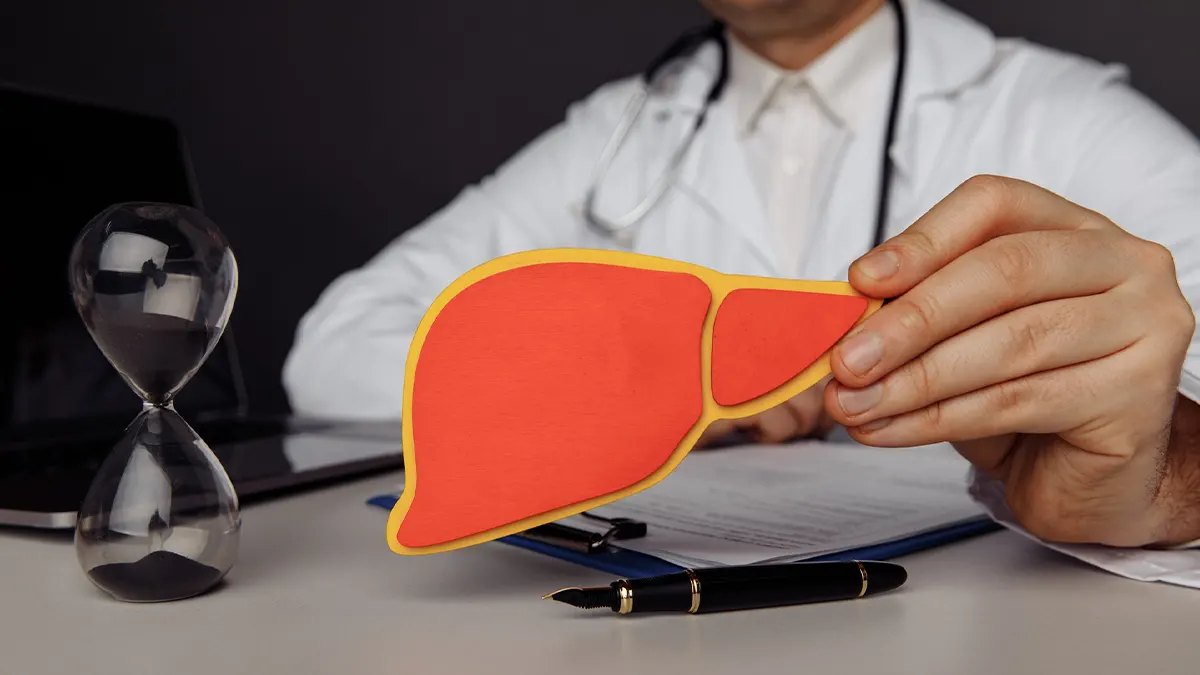
You may see the older terms non-alcoholic fatty liver disease (NAFLD) and non-alcoholic steatohepatitis (NASH) in reports. Current terminology includes metabolic dysfunction-associated steatotic liver disease (MASLD) and metabolic dysfunction-associated steatohepatitis (MASH).
MASLD involves liver fat with cardiometabolic risk factors. MASH includes inflammation and liver-cell injury. Alcohol-related disease and other causes need separate consideration, and more than one contributor can coexist. Ask the clinician which description fits rather than relabelling a report yourself.
Fatty liver often has few or no symptoms. Tiredness or upper-right abdominal discomfort may occur, but they have many possible explanations. Bloating or weight gain alone does not diagnose liver disease or measure its severity.
Type 2 diabetes, insulin resistance, higher body weight and other metabolic risk factors increase the likelihood. A person who is not overweight can also have fatty liver. Tell the clinician about alcohol, medicines, supplements and relevant family history; do not assume all liver findings are caused by diet.
Liver enzymes, platelet count and other tests contribute to assessment. Normal enzymes alone do not exclude clinically important liver disease. Abnormal results can also have causes other than fatty liver.
It may identify liver fat, but has limitations. A routine scan cannot reliably establish inflammation or stage fibrosis. “Grade 1”, “grade 2” and “grade 3” fat descriptions are not the same as fibrosis stages.
A clinician may use blood-based scores, elastography or specialist tests. Biopsy is reserved for selected situations rather than required for everyone.
Important for young adults: FIB-4 is less accurate below age 35. A low online score should not be used as self-clearance when metabolic risks or abnormal tests are present. Ask whether an alternative assessment is appropriate.
Arrange review after fatty liver is reported on a scan or when liver tests remain abnormal. Bring the full report, earlier results and your medicine list. The clinician can consider other liver conditions and decide whether gastroenterology or hepatology assessment is needed.
Ask: Is scarring suspected? What else needs exclusion? What are my glucose, blood pressure and lipid goals? When should tests be repeated? Follow-up should reflect your risk rather than a fixed interval copied from a website.
These measures can improve liver fat and may improve inflammation or scarring, but improvement is not guaranteed. Existing advanced disease needs its own care plan. Do not stop prescribed medicines without advice.
Treatment depends on the cause and stage, other conditions and local approval of any medicine. Some patients need specialist-directed treatment in addition to lifestyle care; there is no single tablet suitable for everyone with a fatty-liver scan.
Do not self-start “detox” products, herbal mixtures or high-dose supplements. Ask about potential liver injury and interactions before taking them. A promise to reverse fatty liver in a fixed number of days is not an individual treatment plan.
Vomiting blood, black tar-like stools, new confusion or marked drowsiness needs emergency assessment. New jaundice or increasing abdominal swelling also needs prompt medical attention. These are not routine signs to manage with a diet change.

MBBS, MS, FMAS
General & GI / Laparoscopic Surgeon
15+ years listed experience
11:00 AM–4:00 PM
Contact reception for an appropriate initial medical consultation or referral. Confirm the clinician and appointment before travelling.
Tarnaka: +91 9100001201A surgical consultation listing does not establish hepatology credentials. Ask whether a medical gastroenterologist or hepatologist is needed. Confirm arrangements for prescribed tests; this page does not verify on-site elastography or specialist liver services. These details are not an article-review claim.
Yes. Metabolic factors and other causes may contribute; alcohol history still matters when classifying liver disease.
MASLD means metabolic dysfunction-associated steatotic liver disease: liver fat with cardiometabolic risk factors.
No. It often has few or no symptoms. Tiredness or abdominal discomfort is not specific to liver disease.
No. A routine ultrasound fat grade is not the same as a fibrosis stage.
No. Normal enzymes alone cannot exclude clinically important disease or scarring.
No. FIB-4 is less accurate below age 35. Discuss appropriate assessment instead of using a low score as self-clearance.
Liver fat can improve and some people also improve inflammation or scarring with appropriate care. Complete reversal is not guaranteed.
No. Biopsy is considered in selected situations. Many assessments use clinical information and non-invasive tests.
Do not stop prescribed medicines without review. Bring a list of all medicines, herbal products and supplements.
No. Treatment depends on the cause, stage, associated conditions and local medicine approvals.
Arrange review for a fatty-liver scan or persistently abnormal liver tests. The timing of subsequent monitoring depends on individual risk.
Vomiting blood, black stools, new confusion or marked drowsiness needs emergency assessment. New jaundice or increasing abdominal swelling needs prompt medical attention.
General information supports discussion with a qualified clinician and does not replace individual medical assessment.
More health articles from My Health Hospitals


Find Our Kukatpally and Tarnaka Branches
H.No 15-24-212, MIG-212, Rd Number 1, K P H B Phase 1, Kukatpally, Hyderabad, Telangana 500072
H.No:-12-5-30, WhiteHouse, Moula Ali Rd, South Lalaguda, Tarnaka, Secunderabad, Telangana 500017