
-
 Kphb Branch
+91 9111674111
-
Tarnaka Branch
+91 9100001201
- Book Appointment
+91 9111674111
+91 9100001201
Urology
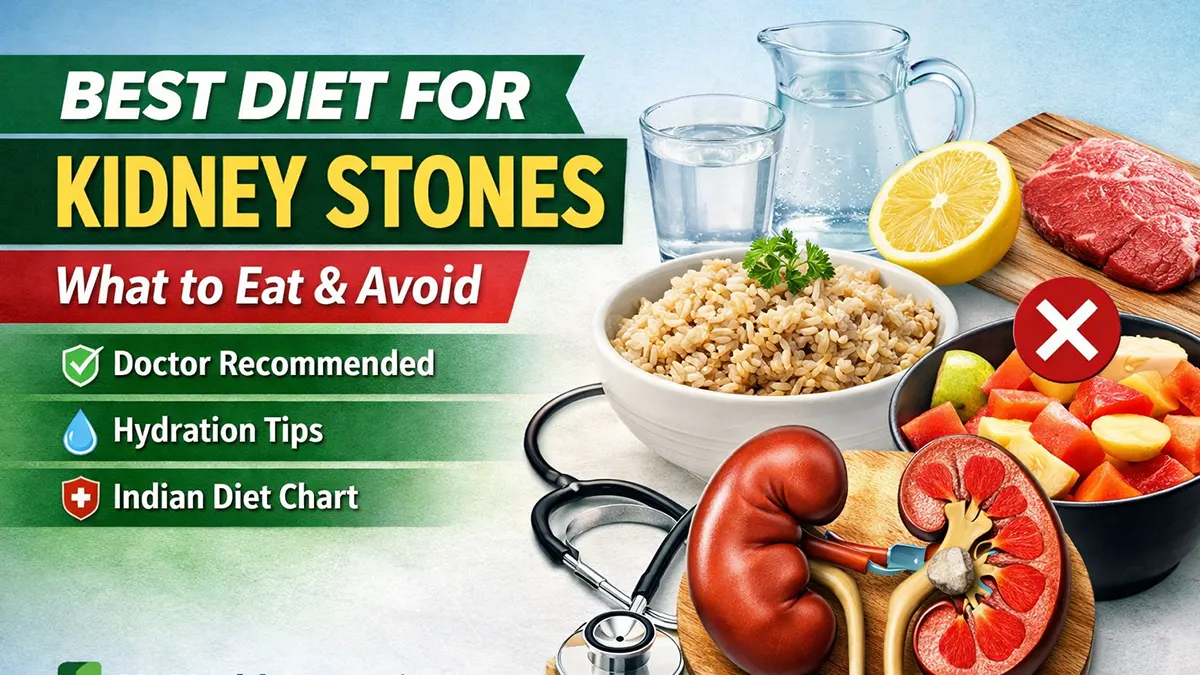
Kidney stone prevention is mainly about changing the urine environment so stone-forming minerals are less likely to crystallize. The right diet depends on whether the stone is calcium oxalate, calcium phosphate, uric acid, cystine or another type.
Water is the main fluid for prevention. The goal is to produce enough dilute urine; people who form stones may be advised to reach at least 2.5 litres of urine output per day.
High sodium intake can increase calcium in the urine. Limit salty packaged foods, pickles, chips, instant foods, fast food and heavily salted meals.
Do not automatically stop milk or curd because you have a calcium stone. Normal calcium from food can help bind oxalate in the gut.
High-oxalate foods matter particularly for calcium oxalate stones, while excessive animal protein can be important in uric acid and some calcium stone patterns.
There is no single “3–4 litre” prescription that is appropriate for every person. Fluid needs change with body size, activity, temperature, sweating and medical conditions.
The American Urological Association recommends fluid intake sufficient to produce at least 2.5 litres of urine per day for people who form stones. More fluid may be required in hot weather because some water is lost through sweat.
Important: No drink should be described as a “kidney cleanser” or guaranteed stone-flushing treatment. Fluids help prevent future stones and may support passage of some small stones, but they do not reliably dissolve an obstructing stone.
Most people do not need an extremely restrictive diet. A balanced Indian eating pattern can include the following foods, with adjustments based on stone type and individual test results.
| Food group | Practical choices | Why it can fit |
|---|---|---|
| Fluids | Water, unsweetened lemon/lime water | Helps maintain urine volume and dilution |
| Fruits | Oranges, mosambi, apples, papaya, watermelon and other varied fruits | Supports an overall balanced diet; citrus provides citrate |
| Vegetables | A varied selection of vegetables | Supports a healthy eating pattern; specific oxalate restrictions depend on stone type |
| Calcium foods | Milk, curd/yogurt and other suitable dairy or calcium-rich foods | Normal dietary calcium can reduce intestinal oxalate absorption |
| Staples | Rice, chapati/roti, oats and other whole grains | Can be part of a balanced meal; portion and overall diet matter |
| Protein | Dal, beans and other plant proteins; moderate animal protein when appropriate | Protein needs should be met without excessive animal protein |
“Avoid everything” is not a good kidney stone diet strategy. The priority is to reduce the dietary factors that match your stone type and urine chemistry.
Oxalate restriction is especially relevant to people with calcium oxalate stones; it is not a reason for everyone to eliminate all vegetables.
Choose water or other appropriate low-sugar fluids more often. Do not rely on cola, sweetened drinks or packaged beverages as your main source of hydration.
No. Dietary calcium should not be routinely eliminated. For many people with calcium oxalate stones, normal calcium intake from food can bind oxalate in the digestive tract and reduce the amount absorbed.
The American Urological Association recommends normal dietary calcium intake for appropriate calcium-stone patients rather than a low-calcium diet. Calcium supplements are different and should be discussed with a clinician, especially if you have recurrent stones.
If you have calcium oxalate stones, reducing high-oxalate foods may be recommended. NIDDK specifically lists spinach, peanuts, nuts and wheat bran among foods that can be high in oxalate.
However, the goal is not to create an unnecessarily restrictive diet. Adequate dietary calcium at the same meal can reduce oxalate absorption, and your clinician or dietitian can help identify the foods and amounts that matter for you.
| Stone type | Diet priorities |
|---|---|
| Calcium oxalate | Good hydration, lower sodium, normal dietary calcium, and appropriate reduction of high-oxalate foods. |
| Calcium phosphate | Good hydration, lower sodium and appropriate dietary calcium; the full urine profile helps guide the plan. |
| Uric acid | Good hydration and limiting excessive animal protein may help; weight and metabolic factors may also matter. |
| Cystine | High fluid intake is especially important; prevention usually needs specialist guidance. |
If a removed stone is available for analysis, its composition can help guide prevention. Recurrent stone formers may also benefit from a metabolic evaluation, including urine testing, when recommended by a urologist.
This is a general example, not a prescription. Modify it for diabetes, chronic kidney disease, heart disease, food allergies, pregnancy, or a specific stone type.
| Meal | Example options |
|---|---|
| On waking | Water; lemon/lime water without excessive added sugar if desired |
| Breakfast | Idli, dosa, upma, poha or oats with a suitable fruit |
| Mid-morning | Water and a fruit; choose an appropriate calcium-containing food if it fits your plan |
| Lunch | Rice or chapati + dal/other protein + vegetables + curd/yogurt as appropriate |
| Evening | Fruit or a low-salt snack; water |
| Dinner | Chapati/rice + vegetables + a moderate protein source |
Lemon and other citrus beverages contain citrate, which can help reduce crystal formation in some people. Lemon water is therefore a useful hydration option for prevention, but it should not be presented as a treatment that dissolves every existing stone.
Whether an existing stone passes on its own depends on factors such as its size and location. A blocked or infected urinary tract requires medical assessment.
Diet is mainly used to prevent future stones and reduce recurrence. It is not a substitute for treatment when a stone is large, obstructing urine flow, causing significant symptoms, or associated with infection.
Some small stones pass without a procedure, while larger or obstructing stones may require medical treatment. A urologist can decide the appropriate approach based on imaging, stone size, location and symptoms.
Fever with suspected urinary obstruction can be particularly serious and should not be managed with diet alone.
The best diet depends on the stone type. Most prevention plans emphasize adequate fluids, lower sodium, normal dietary calcium and appropriate amounts of oxalate and animal protein.
Water, varied fruits and vegetables, whole grains, suitable calcium-rich foods and balanced protein can form the basis of a healthy diet. Specific restrictions depend on your stone type.
Limit excess salt and heavily processed foods. If you have calcium oxalate stones, high-oxalate foods may need to be reduced. Excess animal protein may be important in uric acid stone prevention.
The AUA recommends fluid intake sufficient to produce at least 2.5 litres of urine daily for stone formers. Your actual fluid requirement can be higher or lower depending on weather, activity and medical conditions.
Yes, normal dietary calcium is generally important. Calcium from food can help bind oxalate in the digestive tract. Do not start or stop calcium supplements without medical advice.
It can be a useful hydration option because citrus provides citrate. It does not reliably dissolve an existing kidney stone.
Usually yes. Rice and chapati can be part of a balanced diet. The more important issues are adequate fluid intake, sodium, calcium, oxalate and protein according to your stone type.
No special drink reliably flushes or dissolves all stones. Plain water is the main fluid for maintaining urine volume; citrus drinks may provide citrate.
Yes. Removing a stone does not remove the underlying tendency to form stones. Long-term prevention may require dietary changes, stone analysis and sometimes metabolic testing or medicines.
See a urologist for recurrent stones, severe or persistent pain, blood in urine, difficulty passing urine, repeated vomiting, or fever/chills with urinary symptoms.
Expert-written medical articles from My Health Hospitals


Find the Best Hospital Near You
H.No 15-24-212, MIG-212, Rd Number 1, K P H B Phase 1, Kukatpally, Hyderabad, Telangana 500072
H.No:-12-5-30, WhiteHouse, Moula Ali Rd, South Lalaguda, Tarnaka, Secunderabad, Telangana 500017