-
 Kphb Branch
+91 9111674111
-
Tarnaka Branch
+91 9100001201
- Book Appointment
+91 9111674111
+91 9100001201
Urology
A high creatinine result can have several explanations, including kidney problems, urinary obstruction, dehydration, medicines, diet, muscle mass and intense exercise. One creatinine value alone does not establish the cause or severity of kidney disease.
Key point: Creatinine is interpreted with the laboratory reference range, previous results and other kidney measures—especially eGFR and urine tests—rather than in isolation.

Creatinine is a waste product produced during normal muscle metabolism. Healthy kidneys filter it from the blood and remove it in urine. A higher blood creatinine level can occur when kidney filtration falls, but it can also rise for reasons that do not represent chronic kidney disease.
Blood creatinine is commonly used with other tests to assess how well the kidneys are filtering waste.
Muscle mass, diet, intense exercise, hydration and some medicines can affect creatinine levels.
eGFR uses creatinine and other information to estimate kidney filtration and is generally more informative than creatinine alone.
A serum creatinine test measures creatinine in the blood. It may be ordered as part of a basic or comprehensive metabolic panel or as part of a kidney evaluation.
Creatinine varies with factors such as age, sex, body size, muscle mass, diet and activity. A single high result may need repeat testing and additional evaluation before its significance is clear.
There is no single universal creatinine range that applies to every person or laboratory. Reference intervals can vary by testing method and patient characteristics.
| What to check | Why it matters |
|---|---|
| Your laboratory's reference interval | Different laboratories can use different methods and reference ranges. |
| Your previous creatinine | A change from your usual result can be clinically important even when a number appears close to a reference range. |
| eGFR | Provides an estimate of kidney filtration and adds context to serum creatinine. |
| Urine tests | Urine albumin, blood and other findings can provide additional information about kidney health. |
Do not diagnose yourself from a fixed internet range. Compare your result with the reference range printed on your own laboratory report and discuss abnormal results with a healthcare professional.
A creatinine value cannot be classified as mild, moderate or severe using a universal number alone. Interpretation depends on the person's baseline, age, sex, muscle mass, laboratory range, eGFR, symptoms and whether the change happened suddenly.
May be above some laboratory reference ranges, but its significance varies by the individual.
Needs clinical context and comparison with previous kidney function and eGFR.
A substantially abnormal result for many adults and should be medically assessed promptly.
A markedly abnormal result that requires urgent clinical assessment, particularly with symptoms or an acute change.
Creatinine itself does not usually cause symptoms. Symptoms, when present, are generally related to the underlying kidney problem or reduced kidney function. Early chronic kidney disease can have few or no symptoms.
Urination may become more or less frequent, and urine may appear foamy or bloody in some kidney conditions.
Fluid retention can cause swelling in the feet, ankles, legs, hands or around the eyes.
Reduced kidney function can be associated with tiredness, weakness or difficulty concentrating.
These symptoms can occur with more advanced kidney dysfunction but are not specific to kidney disease.
These can occur with kidney disease, particularly when kidney function is significantly reduced.
Breathlessness can occur with fluid overload or other medical conditions and should be assessed when significant.
Emergency warning: Severe breathlessness, confusion, fainting, very little or no urine, severe weakness, chest pain, or rapidly worsening swelling can require urgent medical assessment.
An elevated result can come from reduced kidney filtration or from factors that temporarily change creatinine production or concentration.
eGFR stands for estimated glomerular filtration rate. It estimates how well the kidneys filter waste and is calculated using creatinine together with other patient information.
A lower eGFR can indicate reduced kidney filtration, but eGFR also has limitations and can be affected by factors such as age, unusual muscle mass, pregnancy and some medicines.
Your doctor may also consider urine albumin-to-creatinine ratio (UACR), blood pressure, blood tests, imaging and previous results when assessing kidney health.
Evaluation depends on the degree of elevation, symptoms, previous kidney function and suspected cause. A clinician may use several tests rather than relying on creatinine alone.
Creatinine, eGFR, electrolytes, BUN and other tests may be ordered when appropriate.
Urinalysis and urine albumin testing can identify protein, blood and other abnormalities.
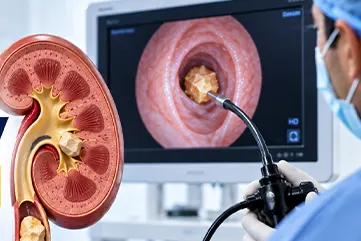
Kidney and urinary tract imaging may help identify obstruction, stones or structural abnormalities.
Medicines, supplements, hydration, diet, exercise and previous laboratory results can all matter.
There is no single medicine or home remedy that safely lowers creatinine for everyone. Treatment is directed at the underlying problem.
If dehydration is contributing, a clinician may recommend appropriate fluid replacement based on the person's condition.
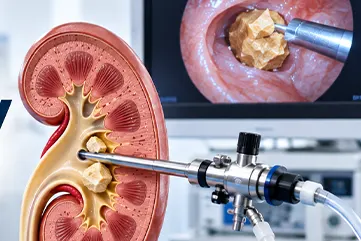
Stones, prostate enlargement or another blockage may require urological assessment and treatment to restore urine flow.
Management focuses on the specific kidney condition and protecting remaining kidney function.
A clinician may review medicines and supplements that can influence creatinine or kidney function. Do not stop prescribed medicines on your own.
Good management of conditions that affect kidney health can be an important part of long-term care.
Persistent or significant abnormalities may require evaluation by a nephrologist, urologist or another appropriate specialist.
The safest approach is to identify why the creatinine is high rather than trying to force the number down with a specific food, supplement or fixed amount of water.
Do not deliberately overdrink water. Fluid needs vary, particularly in people with kidney or heart conditions.
Do not start a severe low-protein diet without guidance. Protein needs depend on kidney function and overall health.
Creatine and other supplements can affect creatinine measurements or may not be appropriate for everyone.
Tell your clinician about all prescription medicines, over-the-counter products and supplements.
Diabetes and high blood pressure are important kidney-risk factors and should be managed with appropriate care.
A repeat result can show whether an abnormality was temporary or part of a persistent change.
A high creatinine result deserves appropriate follow-up, especially when it is new, increasing or accompanied by symptoms.
When urinary obstruction, stones, prostate problems or another urological cause is suspected, specialist evaluation may be appropriate.

Urology consultation can help evaluate urinary obstruction, kidney stones, prostate-related urinary problems and other conditions that may affect kidney function.
The appropriate specialist depends on the suspected cause. Some patients with chronic kidney disease may also need nephrology care.
Urology and general medical evaluation are available across the two Hyderabad-area branches.
H.No 15-24-212, MIG-212, Rd Number 1, K P H B Phase 1, Kukatpally, Hyderabad, Telangana 500072
Phone: +91 9111674111
H.No 12-5-30, WhiteHouse, Moula Ali Rd, South Lalaguda, Tarnaka, Secunderabad, Telangana 500017
Phone: +91 9100001201
Practical answers about creatinine results, symptoms, causes, eGFR, treatment and specialist evaluation.
Creatinine is a waste product produced during normal muscle metabolism. Healthy kidneys filter it from the blood and remove it in urine.
Causes can include kidney disease or injury, urinary obstruction, dehydration, intense exercise, high muscle mass, diet and some medicines or supplements. The cause must be interpreted from the full clinical picture.
A creatinine of 1.4 mg/dL may be above the reference range in some laboratories, but its significance depends on age, sex, muscle mass, previous results, eGFR and the laboratory range. It cannot be labelled dangerous from the number alone.
A creatinine of 2.0 mg/dL is above common adult reference ranges and should be medically evaluated, but the severity and cause cannot be determined from the number alone.
High creatinine itself does not usually cause symptoms. Symptoms of kidney dysfunction can include swelling, changes in urination, fatigue, nausea, itching, muscle cramps and shortness of breath.
Yes. Dehydration can raise blood creatinine, but a high result should not automatically be attributed to dehydration without considering other causes and the clinical context.
Yes. A stone that obstructs urine flow can impair kidney function and may increase creatinine, particularly when obstruction is significant or affects both kidneys or a solitary functioning kidney.
An enlarged prostate can contribute to urinary obstruction in some men. Significant obstruction can affect kidney function and may raise creatinine.
eGFR is an estimate of how well the kidneys filter waste. It is calculated using creatinine and other information and generally provides more context about kidney filtration than creatinine alone.
Yes. Dehydration, intense exercise, recent meat intake, some medicines and other temporary factors can raise creatinine. Repeat testing may help determine whether the abnormality persists.
No. High creatinine can occur for reasons other than kidney disease. A clinician may review hydration, muscle mass, diet, medicines, exercise and other test results.
Diet can influence creatinine measurements, including recent intake of cooked meat. However, a high creatinine result should not automatically be blamed on protein intake.
Intense exercise can temporarily increase creatinine. Tell your healthcare professional about recent strenuous activity when interpreting a result.
There is no universal home remedy. The safest approach is to identify and treat the underlying cause, follow individualized fluid and dietary advice, review medicines with a clinician and manage kidney-risk conditions.
Not necessarily. Dehydration can raise creatinine, but people with kidney or heart conditions may have fluid restrictions. Follow individualized medical advice rather than forcing extra water.
Depending on the situation, evaluation may include repeat creatinine and eGFR, electrolytes, BUN, urinalysis, urine albumin testing and kidney or urinary tract imaging.
Urology evaluation can be appropriate when stones, urinary obstruction, prostate enlargement or another urological cause is suspected. Some patients with chronic kidney disease also need nephrology care.
Diabetes is an important risk factor for chronic kidney disease. If kidney filtration becomes impaired, creatinine may rise.
Yes. Long-term high blood pressure can damage the kidneys and contribute to chronic kidney disease, which may lead to higher creatinine.
The number alone does not define an emergency. Urgent assessment is important when a markedly abnormal or rapidly changing kidney result occurs with very little or no urine, severe breathlessness, confusion, fainting, chest pain, severe weakness or rapidly worsening swelling.
Medical disclaimer: This page is for general education and does not diagnose kidney disease. Creatinine reference ranges vary between laboratories and individuals. A healthcare professional should interpret abnormal results using eGFR, urine findings, previous results, symptoms and other relevant clinical information.
Bring your laboratory report and previous kidney-function results to your consultation. The right next step depends on the creatinine trend, eGFR, symptoms and suspected cause.
Expert-written medical articles from My Health Hospital
Find the Best Hospital Near You
H.No 15-24-212, MIG-212, Rd Number 1, K P H B Phase 1, Kukatpally, Hyderabad, Telangana 500072
H.No:-12-5-30, WhiteHouse, Moula Ali Rd, South Lalaguda, Tarnaka, Secunderabad, Telangana 500017