
-
 Kphb Branch
+91 9111674111
-
Tarnaka Branch
+91 9100001201
- Book Appointment
+91 9111674111
+91 9100001201
Gastroenterology
Looking for the laparoscopic surgery cost in Hyderabad? This comprehensive guide explains procedure-wise pricing, factors affecting the overall cost, insurance coverage, recovery time, and the benefits of minimally invasive surgery. The information is medically reviewed by Dr. Krishna Chaitanya Vattem, Senior Consultant GI, General & Advanced Laparoscopic Surgeon with over 15 years of experience.
The cost of laparoscopic surgery in Hyderabad varies depending on the type of surgery, the patient's medical condition, hospital stay, surgeon's expertise, investigations, anaesthesia, and insurance coverage. Procedures such as laparoscopic gallbladder removal, appendix surgery, hernia repair, and colorectal surgeries each have different package estimates. At My Health Hospitals, patients receive transparent treatment plans and personalized cost estimates after consultation with an experienced GI & laparoscopic surgeon.
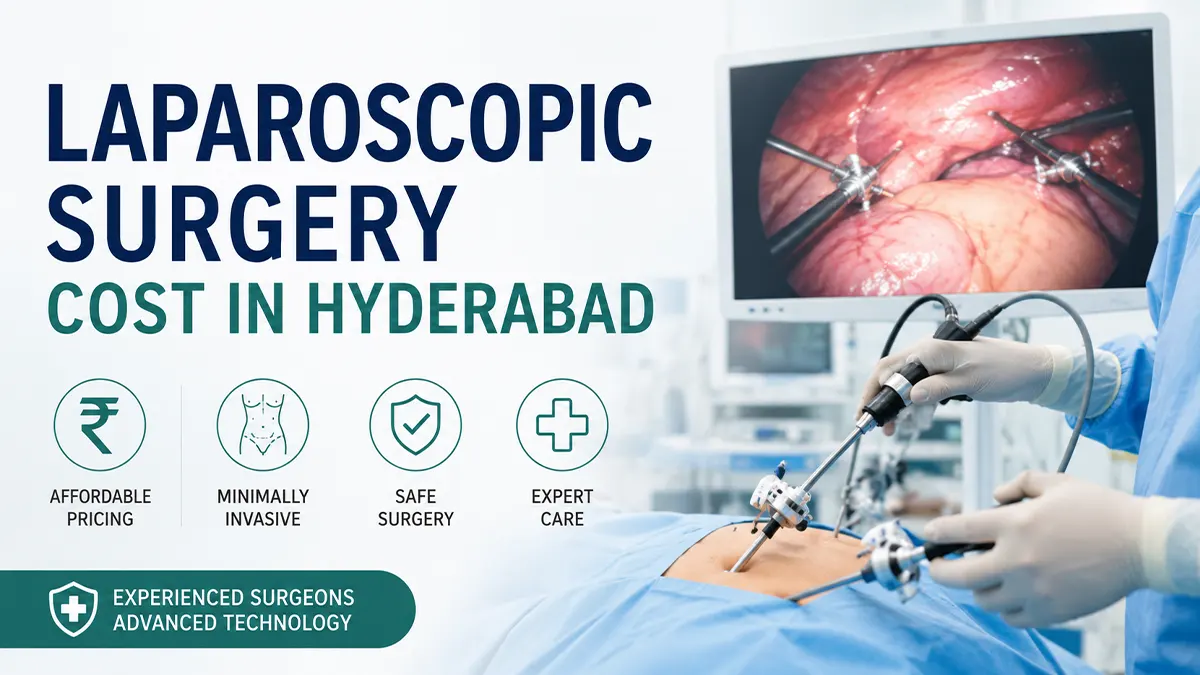
If your doctor has recommended minimally invasive surgery, one of the first questions you may have is, "How much does laparoscopic surgery cost in Hyderabad?" The answer depends on several clinical and hospital-related factors, including the type of procedure, complexity of the condition, surgeon's experience, hospital infrastructure, room category, investigations, anaesthesia requirements, and insurance eligibility.
Laparoscopic surgery, often referred to as keyhole surgery or minimally invasive surgery, has become the preferred approach for many abdominal and gastrointestinal conditions because it usually involves smaller incisions, reduced postoperative pain, shorter hospital stays, faster recovery, and minimal scarring compared with traditional open surgery. However, the overall treatment cost varies from one patient to another based on individual medical needs.
At My Health Hospitals, we believe that transparent communication about treatment planning and expected expenses helps patients make informed healthcare decisions. Rather than providing a one-size-fits-all package, our surgical team performs a comprehensive evaluation before offering a personalized estimate tailored to your diagnosis and treatment plan.
This evidence-based guide explains the factors that influence laparoscopic surgery cost in Hyderabad, compares common procedures, outlines what is typically included in surgical packages, discusses recovery expectations, and answers frequently asked patient questions. Whether you are considering laparoscopic gallbladder surgery, hernia repair, appendectomy, or colorectal surgery, this resource is designed to help you understand your options with confidence.
The overall laparoscopic surgery cost in Hyderabad depends on the procedure performed, the complexity of the condition, hospital stay, and the patient's individual treatment requirements. The table below provides a general comparison of commonly performed laparoscopic procedures. Final treatment estimates are shared only after clinical evaluation.
| Procedure | Estimated Cost* | Hospital Stay | Recovery Time | Common Indication |
|---|---|---|---|---|
| Laparoscopic Gallbladder Surgery | From ₹40,000 and ₹1,50,000 | 1 Day | 1–2 Weeks | Gallstones & Gallbladder Disease |
| Laparoscopic Appendix Surgery | From ₹40,000 to ₹1,20,000 | 1–2 Days | 1–2 Weeks | Acute Appendicitis |
| Laparoscopic Hernia Repair | From ₹50,000 to ₹1,20,000 | Day Care / 1 Day | 2–4 Weeks | Inguinal, Umbilical & Ventral Hernia |
| Laparoscopic Colon Surgery | From ₹1,50,000 and ₹3,50,000 | 3–5 Days | 3–6 Weeks | Colon Disorders |
| Laparoscopic Rectal Surgery | From ₹1,50,000 and ₹3,50,000 | 4–6 Days | 4–6 Weeks | Rectal Diseases |
| Laparoscopic Small Bowel Surgery | From ₹2,92,000 to ₹4,50,000 | 3–5 Days | 3–5 Weeks | Small Intestinal Disorders |
Although laparoscopic surgery is often associated with quicker recovery and shorter hospital stays, the final cost varies from patient to patient. Understanding these factors can help you plan your treatment more confidently.
The expertise of a highly experienced GI and laparoscopic surgeon plays an important role in achieving safe surgical outcomes and may influence the overall treatment package.
Advanced operation theatres, modern laparoscopic equipment, intensive care facilities, and comprehensive nursing support contribute to the quality and cost of treatment.
Simple laparoscopic procedures generally differ in cost from more complex gastrointestinal or colorectal surgeries that require specialized techniques.
General ward, semi-private, private, and deluxe room options can influence the final hospital bill.
Blood investigations, imaging studies, ECG, anaesthesia evaluation, and other pre-operative tests are planned according to your medical condition.
Cashless treatment availability, policy terms, pre-authorisation, and approved package rates may influence your out-of-pocket expenses.
Patients often ask what is included in the surgical package. While every treatment plan is personalized, the following table explains what is commonly covered.
| Typically Included | Status |
|---|---|
| Surgeon's Consultation & Surgery Fee | Usually Included |
| Anaesthesia Charges | Usually Included |
| Operation Theatre Charges | Usually Included |
| Standard Nursing Care | Usually Included |
| Hospital Stay | Usually Included |
| Basic Medicines During Admission | Usually Included |
| Routine Consumables | May Vary |
| Follow-up Consultation | Depends on Package |
Patients often ask whether laparoscopic surgery is better than conventional open surgery. While the most appropriate approach depends on your medical condition, minimally invasive surgery offers several advantages for eligible patients, including smaller incisions, reduced pain, shorter hospital stays, and faster recovery. Your surgeon will recommend the safest option after evaluating your diagnosis, overall health, and surgical needs.
| Feature | Laparoscopic Surgery | Open Surgery |
|---|---|---|
| Incision Size | Small (Keyhole Incisions) | Larger Incision |
| Blood Loss | Usually Less | Usually More |
| Pain After Surgery | Generally Less | Generally More |
| Hospital Stay | Often Shorter | Usually Longer |
| Recovery Time | Faster in Many Cases | Typically Longer |
| Risk of Infection | Generally Lower | May Be Higher |
| Visible Scar | Minimal | Larger Scar |
| Return to Daily Activities | Usually Earlier | May Take Longer |
Advances in minimally invasive surgical techniques have made laparoscopic surgery the preferred treatment option for many abdominal conditions. When clinically appropriate, patients may benefit from quicker recovery, less discomfort, and shorter hospital stays compared with traditional surgery.
Tiny keyhole incisions may reduce tissue damage and improve cosmetic outcomes.
Many patients experience less discomfort after minimally invasive surgery compared with larger open incisions.
Patients can often resume daily activities sooner depending on the type of surgery performed.
Many laparoscopic procedures require only a short admission or may even be performed as day-care surgeries when appropriate.
Smaller incisions may reduce the likelihood of wound-related complications in suitable patients.
Minimal scarring is one of the commonly appreciated advantages of laparoscopic surgery.
Laparoscopic surgery is widely used for diagnosing and treating many abdominal and gastrointestinal conditions. The choice of surgery depends on your diagnosis, imaging findings, and overall health.
Removal of the gallbladder for symptomatic gallstones and gallbladder disease.
Minimally invasive appendix removal for acute appendicitis.
Inguinal, umbilical, incisional, and ventral hernias.
Selected colorectal conditions that require surgical treatment.
Treatment of selected small bowel conditions when surgery is indicated.
Evaluation of unexplained abdominal pain and certain intra-abdominal conditions.
Surgical management of selected abdominal adhesions where appropriate.
Some emergency gastrointestinal conditions may also be treated laparoscopically depending on clinical assessment.
Not every patient requires laparoscopic surgery, and not every condition can be treated using a minimally invasive approach. A detailed consultation, physical examination, and appropriate investigations help determine the safest and most effective surgical option.
In some complex or emergency situations, your surgeon may recommend open surgery instead of laparoscopic surgery if it offers a safer approach. The final decision is always based on your clinical condition and intraoperative findings.
Before recommending laparoscopic surgery, your surgeon performs a detailed evaluation to confirm the diagnosis and ensure you are medically fit for anaesthesia and surgery. The required investigations vary depending on your age, medical history, and the planned procedure.
| Investigation | Purpose |
|---|---|
| Complete Blood Count (CBC) | Checks infection, haemoglobin levels, and overall health. |
| Blood Sugar Test | Especially important for people with diabetes. |
| Liver & Kidney Function Tests | Assesses organ function before surgery. |
| Blood Group & Cross Match | Prepared if blood transfusion becomes necessary. |
| ECG | Evaluates heart health, particularly in older adults or those with heart disease. |
| Chest X-ray | Performed when clinically indicated. |
| Ultrasound / CT Scan | Confirms the diagnosis and helps plan the surgical approach. |
| Anaesthesia Evaluation | Determines fitness for general anaesthesia. |
Understanding the surgical process can help reduce anxiety and prepare you for treatment. Although each operation is tailored to the patient's condition, the following steps describe how laparoscopic surgery is generally performed.
Your surgeon reviews your symptoms, imaging studies, and medical history before recommending the most appropriate treatment plan.
Routine blood tests, imaging, ECG, and anaesthesia evaluation are completed to ensure you are fit for surgery.
The procedure is performed under general anaesthesia so you remain asleep and comfortable throughout the surgery.
A few small incisions are created to introduce a laparoscope and specialized surgical instruments.
The surgeon performs the required procedure using a high-definition camera and precision instruments while viewing magnified images on a monitor.
After monitoring in the recovery area, eligible patients may be discharged the same day or after a short hospital stay, depending on the procedure performed.
Recovery varies depending on the type of surgery, your general health, and whether the procedure was elective or emergency. Most patients recover faster after laparoscopic surgery than after traditional open surgery.
| Recovery Stage | What You Can Expect |
|---|---|
| Day of Surgery | Walking with assistance, fluids started if appropriate. |
| Day 1–2 | Most patients resume light activities and continue prescribed medications. |
| Week 1 | Walking comfortably and gradually returning to normal routines. |
| Week 2–4 | Many patients can return to office work depending on the procedure and surgeon's advice. |
| Week 4–6 | Most uncomplicated cases have substantially recovered, though heavy lifting should only resume after medical clearance. |
A balanced diet supports healing, bowel function, and overall recovery after laparoscopic surgery. Your doctor or dietitian may provide individualized dietary advice depending on the procedure performed.
Laparoscopic surgery is widely performed and is generally considered safe when carried out by experienced surgeons. However, like any surgical procedure, it carries some risks. Your surgeon will explain these risks, discuss the expected benefits, and obtain informed consent before surgery.
Minor bleeding is common, while significant bleeding requiring additional treatment is uncommon.
Although the risk is generally lower than with open surgery, wound or internal infections can occur.
General anaesthesia carries potential risks that are assessed before surgery by the anaesthesia team.
Preventive measures such as early mobilisation and compression devices help reduce this risk.
In uncommon cases, nearby organs or blood vessels may be injured and require additional treatment.
In certain situations, your surgeon may convert to open surgery if it is the safest option.
Many medically necessary laparoscopic procedures are covered by health insurance, subject to your policy terms, waiting periods, exclusions, and insurer approval. Our insurance support team assists eligible patients with cashless treatment and claim documentation.
Available for eligible insurance plans through empanelled TPAs and insurers.
Our team helps coordinate approval by submitting the required documents.
Support for medical records, discharge summaries, and billing documents.
We explain expected hospital expenses before your procedure whenever possible.
We combine experienced surgeons, advanced minimally invasive technology, and patient-focused care to provide comprehensive surgical treatment.
15+ years of experience in gastrointestinal and laparoscopic surgery.
Modern equipment for minimally invasive procedures.
Dedicated assistance for eligible cashless treatment.
Post-operative guidance and recovery support.

Dr. Krishna Chaitanya Vattem has more than 15 years of surgical experience and specializes in gastrointestinal surgery, advanced laparoscopic surgery, gallbladder surgery, hernia repair, appendectomy, colorectal procedures, and minimally invasive abdominal surgery.
Get expert consultation from Dr. Krishna Chaitanya Vattem, Senior Consultant GI, General & Advanced Laparoscopic Surgeon with 15+ years of experience. Receive personalized treatment planning, transparent surgical guidance, and comprehensive pre- and post-operative care.
Get answers to the most common questions about laparoscopic surgery, procedure costs, insurance coverage, recovery, and treatment at My Health Hospitals.
Expert-written medical articles from My Health Hospital


Find the Best Hospital Near You
H.No 15-24-212, MIG-212, Rd Number 1, K P H B Phase 1, Kukatpally, Hyderabad, Telangana 500072
H.No:-12-5-30, WhiteHouse, Moula Ali Rd, South Lalaguda, Tarnaka, Secunderabad, Telangana 500017