What is hysteroscopy used for?
Hysteroscopy is used to look inside the uterus and may help diagnose or treat abnormal uterine bleeding, polyps, selected fibroids, adhesions and some fertility-related uterine abnormalities.


+91 9111674111
+91 9100001201
Obstetrician and Gynecologist
Hysteroscopy is a minimally invasive procedure used to look inside the uterus and, when appropriate, diagnose or treat problems such as abnormal uterine bleeding, polyps, selected fibroids, adhesions and some fertility-related uterine abnormalities.
Hysteroscopy uses a thin camera-equipped instrument called a hysteroscope, passed through the vagina and cervix into the uterus. It may be used as a diagnostic procedure or combined with treatment, such as biopsy or removal of a polyp or suitable intrauterine fibroid. The type of pain relief, setting and recovery time depend on the procedure and the patient's medical needs.
For patients in Tarnaka and Secunderabad, the appropriate approach should be decided after a gynecological assessment rather than choosing a procedure solely on the basis of cost or recovery time.
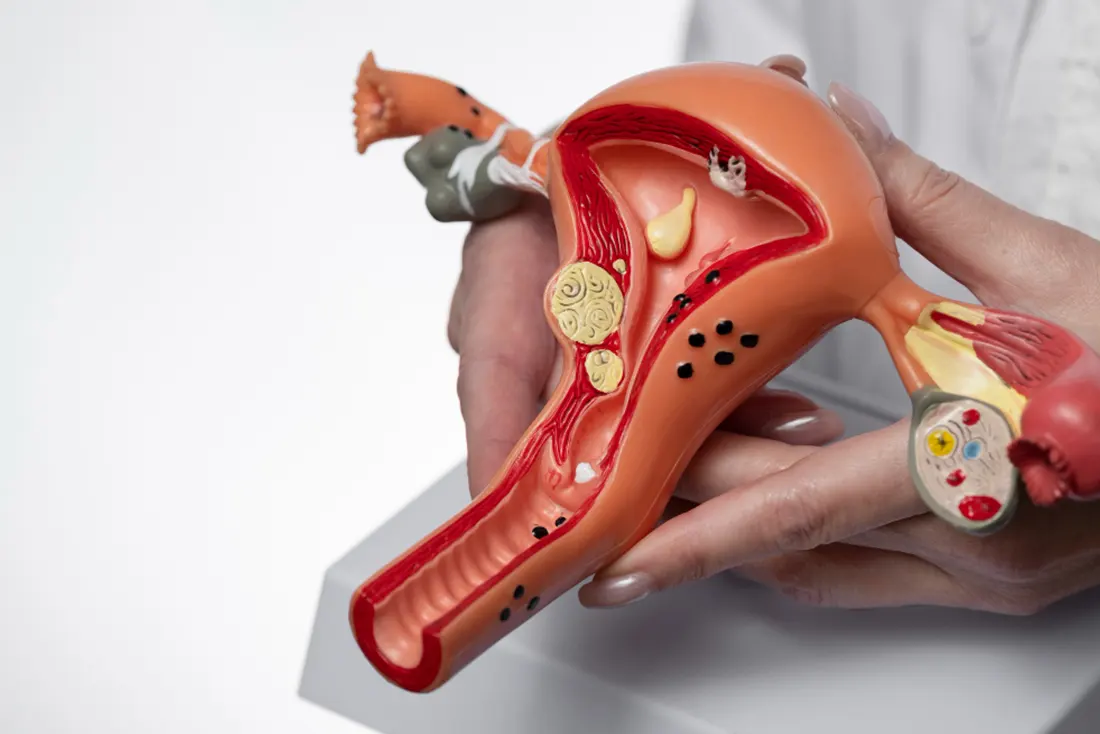
Hysteroscopy allows a gynecologist to directly examine the inside lining of the uterus using a slender hysteroscope. The instrument is introduced through the vagina and cervix, so there is no abdominal incision for the hysteroscopy itself.
Depending on the reason for the procedure, the doctor may inspect the uterine cavity, take a biopsy, remove a polyp, treat selected fibroids, or address adhesions or a uterine septum. Hysteroscopy can therefore be diagnostic, operative, or both during the same planned procedure.
A gynecologist may consider hysteroscopy when direct assessment of the uterine cavity could help answer a clinical question or when an intrauterine problem may be treatable through the hysteroscope.
The doctor reviews symptoms, menstrual history, pregnancy possibility, medications and previous investigations. Ultrasound or other imaging may be used when indicated.
Pain-relief options depend on whether the procedure is being performed in an office, day-surgery unit or operating theatre. The plan should be discussed before the procedure.
The hysteroscope is passed through the vagina and cervix into the uterus. Saline or another appropriate fluid is used to expand the uterine cavity and improve visibility.
The uterine cavity is examined. With your consent, biopsy or treatment such as polyp removal may be performed. Same-visit treatment is not automatic; a larger or deeper fibroid may require a separate or staged operation.
Experience varies. Some people have cramping similar to period pain, while others can experience severe pain during an outpatient procedure. Pain-relief options may include medication, local anaesthesia, sedation or general anaesthesia depending on the case and setting.
If you have previously had painful pelvic examinations, severe period pain, anxiety about the procedure or other concerns, tell the gynecology team before hysteroscopy so the pain-management plan can be discussed. You can ask for an outpatient examination to stop at any time. Ask which options are available locally and whether a different setting or referral is needed.
Hysteroscopy is particularly useful when the abnormality is located inside the uterine cavity. Small or appropriately located polyps and selected fibroids may be removed through the hysteroscope without abdominal surgery. Adhesions can also be treated in selected cases.
The suitability of hysteroscopic treatment depends on the size, number and location of the lesion and the patient's symptoms and overall health. Larger or deeply embedded fibroids may require a different treatment approach.
Hysteroscopy can help identify and treat some abnormalities within the uterine cavity that may be relevant to infertility or recurrent pregnancy loss. Examples include selected polyps, submucosal fibroids, adhesions and a uterine septum.
Hysteroscopy does not treat every cause of infertility. A fertility evaluation may also require assessment of ovulation, ovarian reserve, sperm factors, fallopian tubes and other medical conditions depending on the individual situation.
Recovery depends on whether the procedure was diagnostic or operative and on the type of anaesthesia used. Mild cramping and light bleeding or spotting can occur for a few days. Many people can return to routine activities quickly, but the doctor should advise when exercise, intercourse and other activities can be resumed.
If a biopsy or tissue removal was performed, arrange a review of the pathology result. A normal-looking cavity does not replace the laboratory report. Ask when results are expected, who will explain them and whom to contact if they are delayed. Persistent bleeding still needs review. Recovery after a more extensive operative hysteroscopy can take longer than after a simple diagnostic examination.
Hysteroscopy is generally considered a safe procedure, but no procedure is completely risk-free. Possible complications include bleeding, infection, cervical injury, uterine perforation and problems related to the fluid used to distend the uterus. Complication risk can be higher with operative procedures than with simple diagnostic hysteroscopy.
Your doctor should explain the expected benefits, alternatives and procedure-specific risks before consent.
Hysteroscopy cost varies according to the type of procedure, whether it is diagnostic or operative, anaesthesia, pathology or biopsy, treatment of a polyp or fibroid, hospital/day-care charges and individual clinical complexity.
| Procedure | Earlier unverified planning figures |
|---|---|
| Diagnostic hysteroscopy | Approximately ₹17,000–₹30,000 |
| Operative hysteroscopy | Approximately ₹25,000–₹60,000+ |
| Hysteroscopic polyp/fibroid treatment | Case-dependent; may be higher when operative treatment, anaesthesia or pathology is required |
The right treatment depends on the cause of symptoms and the location and characteristics of any uterine abnormality. A gynecological consultation helps determine whether hysteroscopy is appropriate, whether an ultrasound or other investigation is needed first, and whether diagnostic or operative hysteroscopy is suitable.
The decision should be individualized rather than based only on claims about being the “best” procedure or fastest recovery.
H.No 12-5-30, WhiteHouse, Moula Ali Road, South Lalaguda, Tarnaka, Secunderabad, Telangana 500017
Call +91 91000 01201 to confirm Dr. Swetha Reddy’s appointment. Consultation hours: 10 AM–5 PM; confirm before travelling.
Bring ultrasound and biopsy reports, your medication list and a record of bleeding symptoms. Tell the team about pregnancy possibility, allergies and previous difficult pelvic examinations.
Confirm whether the first visit is a consultation or a planned procedure, any fasting instructions, available pain relief, escort arrangements and where the procedure would take place.
For a general comparison of procedure types, see the hysteroscopy treatment guide. This page focuses on preparing for a Tarnaka consultation.

Please confirm current consultation timing and availability before visiting.
Hysteroscopy is used to look inside the uterus and may help diagnose or treat abnormal uterine bleeding, polyps, selected fibroids, adhesions and some fertility-related uterine abnormalities.
Pain varies and may be severe. Discuss previous painful examinations, anxiety and pain-relief options before attending. You can ask for an outpatient procedure to stop at any time and discuss an alternative setting.
Yes. Endometrial polyps can often be removed through operative hysteroscopy when their size and location are suitable for hysteroscopic treatment.
Selected fibroids that project into the uterine cavity can be treated hysteroscopically. Fibroid size, depth and location determine whether hysteroscopic removal is appropriate.
It can help identify and treat certain uterine-cavity abnormalities that may be relevant to infertility or recurrent pregnancy loss. It does not address every cause of infertility. It is not needed for every infertility evaluation and cannot guarantee pregnancy.
Many people return to routine activities quickly after uncomplicated hysteroscopy, but timing varies with the procedure, anaesthesia and whether tissue was removed. Follow the treating team's instructions.
Possible complications include bleeding, infection, cervical injury, uterine perforation and fluid-related complications. Serious complications are uncommon, but risk varies with the type and complexity of the procedure.
The figures shown on this page are unverified planning amounts retained from earlier content, not a confirmed hospital tariff or verified Hyderabad average. Actual charges may be outside those figures. Request an itemized written estimate for your procedure.
Yes. Some diagnostic and operative hysteroscopies can be performed with local anaesthesia or other pain-relief approaches. The appropriate option depends on the procedure, patient preference, medical history and clinical setting.
Hysteroscopy may be recommended after menopause to investigate abnormal or postmenopausal bleeding or an abnormal uterine finding. The gynecologist will decide whether it is appropriate after evaluation.
Seek medical advice for heavy or worsening bleeding, severe or increasing abdominal pain, fever or chills, fainting, or foul-smelling vaginal discharge after the procedure. Severe symptoms, fainting or feeling very unwell need emergency assessment.
If you have abnormal uterine bleeding, suspected polyps or fibroids, or a gynecological concern for which hysteroscopy has been suggested, consult a gynecologist to understand whether diagnostic or operative hysteroscopy is appropriate for you.
+91 9100001201Find the Best Hospital Near You
H.No 15-24-212, MIG-212, Rd Number 1, K P H B Phase 1, Kukatpally, Hyderabad, Telangana 500072
H.No:-12-5-30, WhiteHouse, Moula Ali Rd, South Lalaguda, Tarnaka, Secunderabad, Telangana 500017