-
 Kphb Branch
+91 9111674111
-
Tarnaka Branch
+91 9100001201
- Book Appointment
+91 9111674111
+91 9100001201
Diabetes
If you have diabetes, choosing a drink can be just as important as choosing a food. The phrase “sugar-free juice” can be misleading because many juices contain naturally occurring sugars even when no table sugar is added.
For everyday hydration, plain water and other unsweetened drinks are generally better choices than fruit juice. Whole fruit is also usually a better option than juice because it retains more of the fruit's natural fiber.
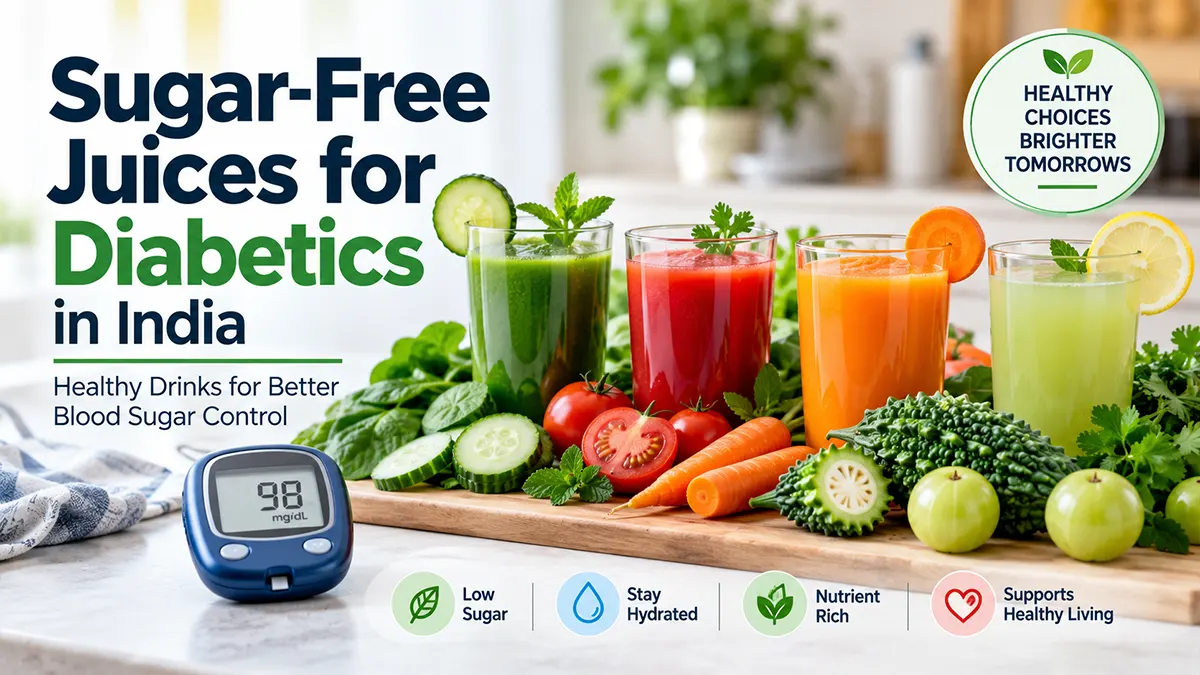
People with diabetes can sometimes include a small amount of fruit juice, but juice is not equivalent to eating whole fruit. Juicing removes or reduces much of the intact fiber and makes it easier to consume a larger amount of carbohydrate quickly.
This matters because carbohydrates are converted into glucose and can affect blood sugar. For most everyday situations, whole fruit is a more filling and fiber-rich choice than juice.
| Choice | What to know |
|---|---|
| Whole fruit | Contains intact fiber and is generally preferable for routine eating. |
| Fresh fruit juice | Contains natural sugar and carbohydrate but usually less fiber than whole fruit. |
| Unsweetened vegetable drink | May contain less sugar than many fruit juices, but carbohydrate and portion size still matter. |
| Sweetened juice/drink | Can contain substantial added sugar and is generally a poor everyday choice for diabetes. |
| Plain water | No carbohydrate and a practical everyday hydration choice. |
Instead of looking for a “miracle juice,” focus on drinks that do not add unnecessary sugar and fit your individual diabetes plan.
No juice deserves to be called universally “best” for diabetes. If you enjoy juice, the more useful approach is to choose an unsweetened, modest serving and check how your blood glucose responds.
Amla is a nutritious Indian fruit and can be included in a balanced diet. However, amla juice should not be described as a treatment that lowers blood sugar or replaces diabetes medication. Choose an unsweetened product and check the label if it is packaged.
Bitter gourd is commonly used in Indian food traditions. Although it has been studied for possible glucose-related effects, evidence is not strong enough to treat bitter gourd juice as a substitute for proven diabetes treatment.
Unsweetened tomato juice can be an option for some people. Choose a preparation without added sugar and preferably one that is not excessively high in sodium. Whole tomatoes provide more intact fiber and can be an even simpler choice.
Cucumber contains relatively little carbohydrate compared with many fruits. A homemade cucumber drink without added sugar can be refreshing, but eating whole cucumber still provides intact food structure and fiber.
Carrots contain natural carbohydrate. Carrot juice is more concentrated than eating whole carrots, so it should not be treated as a “sugar-free” drink. Whole carrots are generally a better everyday option.
Beetroot contains natural carbohydrate and beetroot juice is not sugar-free. If included, consider the portion and total carbohydrate intake. Whole beetroot provides more intact fiber.
Coconut water is sometimes marketed as a natural alternative to sugary drinks, but it still contains naturally occurring sugars and carbohydrate. It should therefore not be described as a sugar-free beverage.
A small serving may fit some people's meal plans, but the appropriate amount depends on the person's blood glucose goals, total carbohydrate intake and other health conditions.
Unsweetened lemon water is a practical low-sugar drink. It can make plain water more appealing without adding the sugar found in sweetened beverages.
However, lemon water does not cure diabetes and should not be promoted as a treatment for high blood sugar.
Unsweetened vegetable-based drinks may contain less sugar than many fruit juices, but “vegetable juice” does not automatically mean carbohydrate-free. Check the ingredients and nutrition information, particularly for packaged products.
Whenever practical, eating whole vegetables is preferable because it preserves the food's natural structure and fiber.
No. “Sugar-free” and “carbohydrate-free” are not the same thing. Some products may contain other carbohydrates or sugar substitutes, and the serving size can make a major difference.
When buying a packaged drink, look at the nutrition label rather than relying only on front-of-pack terms such as “sugar-free,” “no added sugar” or “diabetic friendly.”
There is no single daily juice amount that is right for every person with diabetes. The appropriate amount depends on the person's medication, glucose targets, total carbohydrate intake, activity level and meal plan.
There is no general medical requirement for a person with diabetes to drink juice on an empty stomach. Because juice can be absorbed relatively quickly, drinking a large amount without considering its carbohydrate content may increase blood glucose.
| Drink | General guidance |
|---|---|
| Plain water | Best everyday hydration choice for most people. |
| Lemon water without sugar | Good low-sugar alternative to sweetened drinks. |
| Unsweetened tea | Can fit a diabetes-friendly eating pattern. |
| Unsweetened coffee | Can fit for many adults if caffeine is suitable. |
| Plain buttermilk | Can be included; avoid excessive added salt. |
| Fresh fruit juice | Contains natural sugar; keep portions modest. |
| Coconut water | Contains natural sugar and carbohydrate; portion matters. |
| Sweetened packaged juice | Best limited because of added sugar and concentrated carbohydrate. |
One of the simplest changes for people with diabetes is to choose whole fruit more often than fruit juice. Whole fruit provides fiber and usually takes longer to eat, which can make portion control easier.
Good options can include guava, apple, orange, pear, berries and papaya, depending on individual dietary needs. No fruit needs to be labeled as a “diabetes cure.”
Juice should not be used as a routine method to lower blood sugar. Most carbohydrate-containing juices can actually raise blood glucose.
There is an important exception: fast-acting carbohydrate such as fruit juice may sometimes be used to treat low blood sugar (hypoglycemia) when recommended as part of an appropriate diabetes plan. That is different from drinking juice to control high blood sugar.
They can. People using insulin or medicines that can cause hypoglycemia need individualized advice about meal timing, carbohydrate intake and treatment of low blood sugar. Do not change prescribed diabetes medicines because of a juice or home remedy.
Herbal or concentrated juices should not automatically be considered safe because they are natural. Products such as bitter gourd or aloe vera may have effects on blood glucose or the digestive system and may interact with medicines.
Talk to your healthcare professional before using concentrated herbal products regularly, especially if you take diabetes medication.
This article provides general educational information and is not a substitute for individualized medical advice. Diabetes treatment and nutrition should be tailored to your blood glucose targets, medicines, age, activity level and other health conditions. Do not stop or change prescribed medication based on information about juices or home remedies.

This article is medically reviewed by Dr. Ch Srujith, General Physician and Diabetologist at My Health Hospitals, Hyderabad.
Dr. Srujith focuses on general medicine and diabetes care, including practical approaches to blood glucose management, nutrition and lifestyle modification.
Diabetes nutrition should be individualized, particularly for people taking insulin or other glucose-lowering medicines.
People with diabetes can sometimes include a small portion of fruit juice, but whole fruit is generally a better everyday choice because it provides fiber and is less concentrated.
There is no single best juice for diabetes. Plain water, unsweetened beverages and whole fruit are generally preferable to juice. If juice is consumed, choose an unsweetened option and keep the portion modest.
The term sugar-free does not automatically mean carbohydrate-free or suitable in unlimited amounts. Check the nutrition label, serving size and total carbohydrate.
Amla can be part of a healthy diet, but amla juice should not be treated as a medicine for diabetes or a substitute for prescribed treatment. Unsweetened preparations still need portion awareness.
Bitter gourd is used traditionally, but bitter gourd juice should not be promoted as a proven treatment for diabetes. Discuss concentrated herbal products with your clinician if you take glucose-lowering medicines.
Coconut water contains naturally occurring sugars and carbohydrate, so it is not a completely sugar-free drink. A small portion may fit some meal plans, but the amount should be considered within total carbohydrate intake.
Unsweetened lemon water is a low-sugar beverage and can be a practical alternative to sweetened drinks. It does not cure diabetes or replace diabetes treatment.
Unsweetened vegetable-based drinks may contain less sugar than many fruit juices, but carbohydrate and portion size still matter. Eating whole vegetables is generally preferable because they provide intact fiber.
Whole fruits such as guava, apple, orange, pear, berries and papaya can fit into many diabetes meal plans. Portion size should be individualized.
Fresh juice may avoid some added ingredients, but it is still concentrated in carbohydrate and usually contains less fiber than whole fruit. Fresh does not automatically mean low-sugar.
No. A sugar-free label does not necessarily mean a food or drink contains zero carbohydrate. Check the nutrition facts, including total carbohydrate and serving size.
Limit regular soft drinks, sweetened fruit drinks, sweetened tea or coffee, energy drinks with sugar and other beverages containing substantial added sugar.
Orange juice contains natural sugar and carbohydrate and can raise blood glucose. Whole orange is generally a better everyday option because it contains fiber.
Carrot juice contains carbohydrate and is more concentrated than eating whole carrots. A small unsweetened serving may fit some meal plans, but whole carrots provide more intact fiber.
Beetroot contains naturally occurring carbohydrate and beetroot juice is not sugar-free. If included, consider portion size and total carbohydrate. Whole beetroot provides more intact fiber.
There is no single daily juice amount that is appropriate for everyone with diabetes. If juice is included, the portion should be modest and counted within the person's overall carbohydrate plan.
There is no general requirement to drink juice on an empty stomach. The timing and amount should be considered within the person's overall diabetes meal plan.
Aloe vera juice should not be promoted as a diabetes treatment. Some aloe products may affect blood glucose or cause gastrointestinal effects, so discuss regular use with a healthcare professional.
Plain water is a simple everyday choice. Unsweetened tea or coffee and other low- or no-sugar beverages may also fit, depending on the person's health and preferences.
Juice should not be relied on to lower blood sugar. Most carbohydrate-containing juices can raise blood glucose. Fast-acting carbohydrate such as juice may sometimes be used for low blood sugar under an appropriate diabetes plan, which is different from treating high blood sugar.
Expert-written medical articles from My Health Hospitals


Find the Best Hospital Near You
H.No 15-24-212, MIG-212, Rd Number 1, K P H B Phase 1, Kukatpally, Hyderabad, Telangana 500072
H.No:-12-5-30, WhiteHouse, Moula Ali Rd, South Lalaguda, Tarnaka, Secunderabad, Telangana 500017