
My Health Hospitals logo

Vascular Surgery

Vascular Surgeon Near Me

Hyderabad

Vascular Care in Hyderabad

Vascular Surgeon Near Me in Hyderabad: When Should You See One?

Quick answer: You may need a vascular surgeon if you have persistent leg pain or swelling, troublesome varicose veins, symptoms of poor circulation, non-healing foot wounds, or a diagnosed vascular condition such as peripheral artery disease or DVT.

Medically reviewed by Dr. Puneeth Joopalli, Senior Consultant Vascular & Endovascular Surgeon.
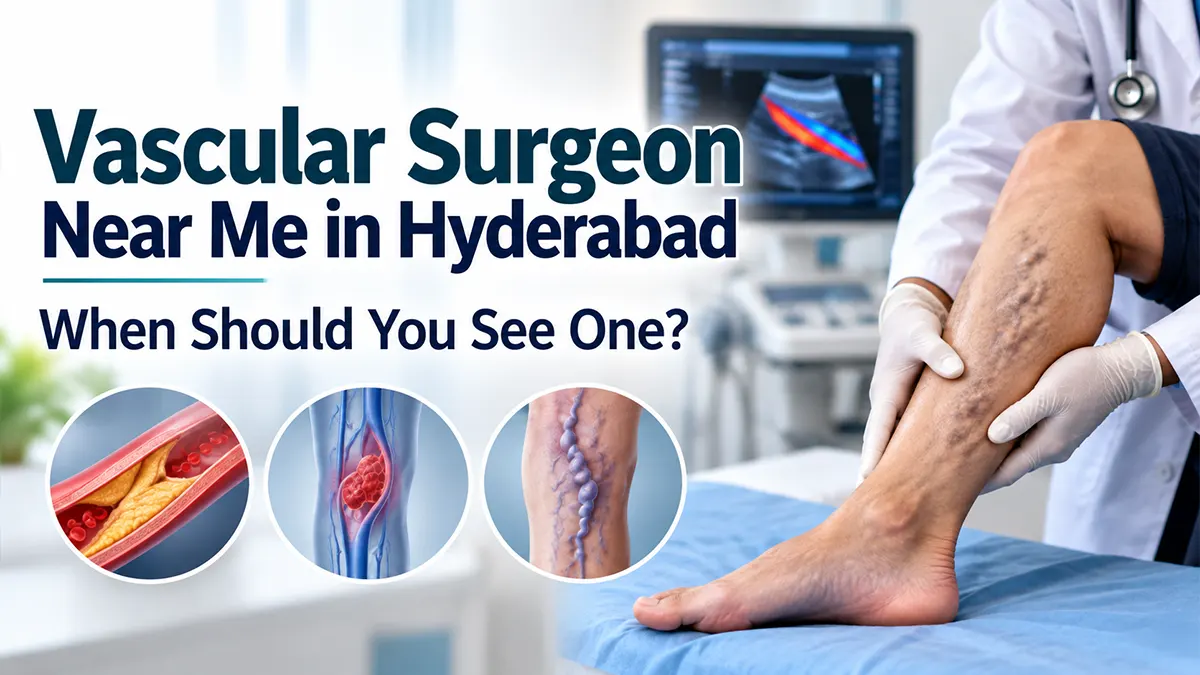
Vascular surgeon consultation and vascular care in Hyderabad
Varicose VeinsSwollen, twisted or symptomatic leg veins.
Leg CirculationPain, cramps, numbness or cold feet may need evaluation.
Non-Healing WoundsPersistent foot or leg wounds need timely assessment.
DVT & ClotsSudden swelling and pain require medical attention.

What Does a Vascular Surgeon Do?

A vascular surgeon diagnoses and manages diseases affecting arteries and veins throughout the body, apart from the heart and brain. Treatment can range from risk-factor management and medicines to minimally invasive endovascular procedures or open surgery when clinically appropriate.

Vascular specialists commonly evaluate circulation problems involving the legs, varicose veins, blood clots, carotid disease, aneurysms and wounds associated with poor blood flow.

Important: Seeing a vascular surgeon does not automatically mean you need surgery. The first step is identifying the cause of your symptoms and discussing the least invasive appropriate treatment.

When a Vascular Evaluation May Help

  • Persistent leg pain or cramping while walking
  • Leg or ankle swelling
  • Symptomatic varicose veins
  • Cold, pale, blue or numb feet
  • Slow-healing or non-healing wounds
  • Known PAD, DVT or other vascular disease

When Should You See a Vascular Surgeon?

The right time to seek vascular care depends on the symptom, its severity, how long it has been present and your underlying risk factors.

Persistent Leg Pain

Leg pain or cramping that repeatedly appears during walking and improves with rest can be a sign of reduced arterial blood flow.

Leg Swelling

Ongoing swelling may occur with venous disease, a clot or other medical conditions. Sudden swelling needs prompt assessment.

Varicose Veins

See a specialist if varicose veins cause pain, heaviness, swelling, skin changes, bleeding or recurrent symptoms.

Non-Healing Wounds

A foot or leg wound that is not healing normally can be associated with poor circulation, diabetes or infection.

Cold or Numb Feet

Persistent coldness, numbness, color changes or reduced sensation can warrant assessment of blood flow.

Known Vascular Disease

If you already have PAD, DVT, aneurysm, carotid disease or chronic venous disease, specialist follow-up may be appropriate.

Conditions Treated by Vascular Specialists

Vascular disease can affect arteries, veins and circulation in different ways. Diagnosis is important because treatment depends on the underlying problem.

Peripheral Artery Disease

Narrowed arteries can reduce blood flow to the legs and cause exertional pain, numbness or wounds.

Varicose Veins & Venous Disease

Enlarged veins, chronic venous insufficiency and related symptoms can be assessed by a vascular specialist.

Deep Vein Thrombosis

A DVT is a clot in a deep vein, commonly in the leg, and requires timely medical evaluation.

Aneurysms

An aneurysm is an abnormal enlargement of a blood vessel and may require surveillance, medication or a procedure depending on its type and risk.

Carotid Artery Disease

Narrowing of the carotid arteries can increase stroke risk and may require medical or procedural management.

Diabetic Foot & Limb Threat

Vascular assessment can help determine whether reduced blood flow is contributing to difficult-to-heal diabetic foot wounds.

Symptoms That Should Not Be Ignored

Some circulation symptoms can indicate a condition that needs prompt evaluation.

Arrange a medical evaluation

  • Repeated leg pain or cramping during walking
  • Persistent leg swelling or heaviness
  • New skin color or temperature changes
  • Non-healing foot or leg wounds
  • Recurrent bleeding or troublesome varicose veins

Seek urgent medical care

Sudden severe limb pain, a limb that becomes unusually cold, pale or blue, sudden loss of sensation or movement, or rapidly worsening swelling and pain can require urgent assessment. Do not wait for a routine vascular appointment when symptoms are severe or sudden.

How Is a Vascular Problem Diagnosed?

Your vascular specialist chooses tests based on your symptoms, examination and suspected condition. Not every patient needs every test.

1

Clinical Examination

Pulse checks, skin findings, swelling, temperature, wounds and symptom history help guide the evaluation.

2

Doppler Ultrasound

Non-invasive ultrasound can assess blood flow through arteries and veins and help identify several vascular abnormalities.

3

ABI or Other Tests

An ankle-brachial index may help evaluate arterial circulation in the legs. Other tests depend on the suspected diagnosis.

4

Advanced Imaging

CT angiography, MR angiography or other imaging may be used when detailed information is needed for treatment planning.

Vascular Treatment Options

Treatment is individualized. Depending on the condition, a vascular specialist may recommend conservative care, medicines, an endovascular procedure or surgery.

Medical & Lifestyle Management

Some vascular conditions can be managed with smoking cessation, exercise, nutrition, blood-pressure and cholesterol management, medicines and regular follow-up.

Compression & Venous Care

Selected venous conditions may be managed with compression, activity guidance, skin care and other measures based on the diagnosis.

Endovascular Procedures

Depending on the condition, minimally invasive procedures may include angioplasty, stenting or other catheter-based interventions.

Vascular Surgery

Open surgery may be appropriate for selected aneurysms, severe arterial disease, complex vascular conditions or other situations where a procedure is indicated.
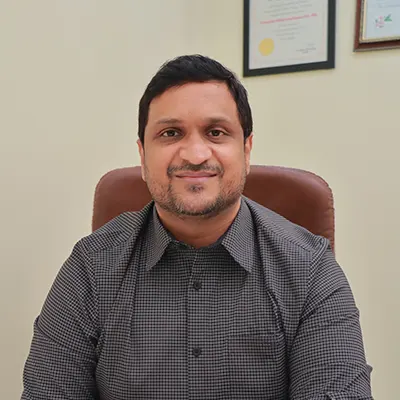
Dr. Puneeth Joopalli, Vascular and Endovascular Surgeon in Hyderabad

Vascular Medical Reviewer

Dr. Puneeth Joopalli

Senior Consultant Vascular & Endovascular Surgeon

Dr. Puneeth Joopalli is listed by My Health Hospitals as a Vascular & Endovascular Surgeon with MBBS and DNB in Peripheral Vascular Surgery. His listed areas of care include diabetic foot management, varicose veins, peripheral arterial disease, deep vein thrombosis, AV fistula procedures and limb-salvage care.

MBBSDNB – Peripheral Vascular SurgeryVascular & Endovascular SurgeryHyderabad
View Doctor Profile

How to Choose a Vascular Surgeon Near You

A convenient location is useful, but the specialist's training and the hospital's ability to diagnose and manage your specific condition are also important.

Check Relevant Training

Look for appropriate vascular or endovascular surgical training and experience with the condition you need evaluated.

Check Diagnostic Access

Ask whether the facility can provide the vascular ultrasound or other imaging your doctor may need.

Discuss Your Options

A good consultation should explain the diagnosis, alternatives, benefits, risks and expected follow-up in understandable terms.

Vascular Care at My Health Hospitals

My Health Hospitals lists vascular surgery among its services and has branches in KPHB/Kukatpally and Tarnaka. Confirm the vascular clinic schedule before visiting.

KPHB / KUKATPALLY

My Health Hospitals – Kukatpally

H.No 15-24-212, MIG-212, Road Number 1, KPHB Phase 1, Kukatpally, Hyderabad, Telangana 500072.

Phone: +91 91116 74111

TARNAKA / SECUNDERABAD

My Health Hospitals – Tarnaka

H.No 12-5-30, WhiteHouse, Moula Ali Road, South Lalaguda, Tarnaka, Secunderabad, Telangana 500017.

Phone: +91 91000 01201

Vascular Surgeon Near Me in Hyderabad – FAQs

Answers to common questions about vascular symptoms, diagnosis, treatment and finding a vascular specialist in Hyderabad.

A vascular surgeon diagnoses and treats disorders of arteries and veins outside the heart and brain, including varicose veins, peripheral artery disease, deep vein thrombosis, aneurysms, carotid disease and other circulation problems.
Consider a vascular evaluation for persistent leg pain or cramping with walking, leg swelling, troublesome varicose veins, cold or numb feet, non-healing wounds, or a diagnosed vascular condition such as PAD or DVT.
Yes. Vascular specialists evaluate varicose veins and chronic venous disease and may recommend observation, compression, minimally invasive procedures or surgery depending on the condition.
Yes. Venous disease, a blood clot and other vascular conditions can cause leg swelling. The cause needs clinical assessment because swelling can also have non-vascular causes.
Common symptoms include leg pain or cramping during walking that improves with rest, reduced walking ability, coldness or numbness of a foot, skin changes and wounds that heal slowly.
Yes. A persistent foot or leg wound can be associated with poor blood flow, diabetes, infection or other problems and may need vascular and wound assessment.
Not everyone with diabetes needs a vascular consultation, but diabetes can increase the risk of circulation problems. Symptoms such as non-healing wounds, cold feet, color changes or reduced pulses warrant medical assessment.
Deep vein thrombosis is a blood clot in a deep vein, commonly in the leg. Depending on the situation, vascular specialists and other appropriate medical teams may evaluate and treat DVT.
A vascular surgeon can evaluate the blood supply to a diabetic foot and help manage circulation problems, non-healing ulcers and limb-threatening ischemia as part of multidisciplinary care.
Depending on symptoms, evaluation may include a physical examination, vascular ultrasound, ankle-brachial index, CT angiography, MR angiography or other vascular imaging.
Doppler ultrasound uses sound waves to assess blood flow through arteries and veins and can help identify narrowing, blockage, reflux or a clot.
No. A cardiologist focuses on the heart and cardiovascular system, while a vascular surgeon specializes in disorders and procedures involving blood vessels throughout the body, apart from the heart and brain.
A vascular surgeon is trained to manage a broad range of arterial and venous disorders, including conditions that may require endovascular procedures or surgery. The appropriate specialist depends on the specific diagnosis.
Yes. Peripheral artery disease can cause exertional leg pain or cramping, often called intermittent claudication. Persistent or new walking-related leg pain should be medically assessed.
Possible signs include exertional leg pain, cold feet, numbness, skin color changes, weak pulses, reduced hair growth and wounds that heal slowly. These symptoms can have several causes and require evaluation.
Sudden severe leg pain with a cold, pale or blue limb, sudden loss of sensation or movement, or rapidly worsening swelling and pain requires urgent medical assessment.
Yes. Depending on the condition, treatment may include exercise, smoking cessation, risk-factor management, medicines, compression therapy or observation. Procedures are recommended only when appropriate.
My Health Hospitals provides vascular and endovascular care through Dr. Puneeth Joopalli, with branches in Kukatpally and Tarnaka. Consultation location and availability should be confirmed with the hospital.
My Health Hospitals lists vascular surgery among its services and has branches in KPHB/Kukatpally and Tarnaka. Patients can contact the hospital to confirm the vascular clinic schedule and branch availability.
Look for appropriate vascular training, experience with your specific condition, access to relevant diagnostic services, clear discussion of treatment options and a care plan that matches your medical needs.

Concerned About Leg Pain, Swelling or Poor Circulation?

Get an appropriate vascular evaluation rather than assuming the cause. The right diagnosis helps determine whether observation, medical treatment or a procedure is needed.

Latest Health Blogs

Expert-written medical articles from My Health Hospital

Our Branch Locations

Find the Best Hospital Near You

My Health Hospitals – Kukatpally

H.No 15-24-212, MIG-212, Rd Number 1, K P H B Phase 1, Kukatpally, Hyderabad, Telangana 500072

Get Directions

My Health Hospitals – Tarnaka

H.No:-12-5-30, WhiteHouse, Moula Ali Rd, South Lalaguda, Tarnaka, Secunderabad, Telangana 500017

Get Directions
My Health Assistant