

Vascular Health
Varicose Veins Guide
My Health Hospitals
Vascular Health Guide
Varicose Veins: Symptoms, Causes, Stages, Treatment & When to See a Vascular Surgeon
Medically reviewed by Dr. Puneeth Joopalli, Senior Consultant – Vascular Surgery
Varicose veins are enlarged, twisted veins that most often develop in the legs when blood does not move efficiently back toward the heart. This guide explains the early symptoms, causes, risk factors, possible complications, diagnosis and current treatment pathways.
QUICK ANSWER
What are varicose veins? They are enlarged, twisted veins caused by abnormal venous blood flow, commonly related to valve dysfunction and blood pooling in the leg veins.
What should you know? Visible veins do not always mean severe disease. Persistent pain, swelling, skin changes, ulcers or bleeding deserve medical evaluation.
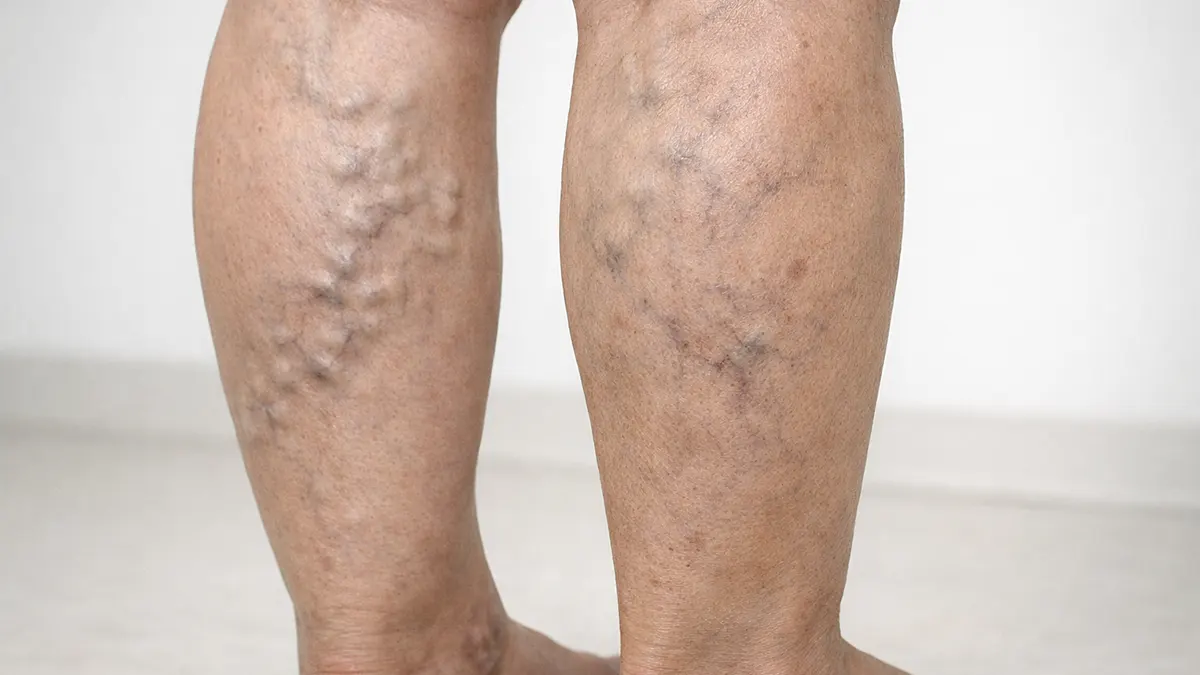
Varicose Veins at a Glance
01
Common in the legs
Varicose veins most often appear in the lower limbs because the leg veins must move blood upward against gravity.
02
Symptoms vary
Some people notice only visible veins, while others have heaviness, aching, swelling, itching or cramps.
03
Treatment is individualized
Symptoms, examination and duplex ultrasound findings help determine whether observation, supportive measures or a procedure is appropriate.
What Are Varicose Veins?
Varicose veins are enlarged, twisted or bulging superficial veins, usually in the legs. Healthy leg veins contain valves that help direct blood toward the heart. When those valves become weak or fail to close properly, blood can flow backward and increase pressure within the veins.
That pressure can cause veins to become more prominent and may contribute to symptoms such as aching, heaviness, swelling, itching or skin changes. A visible vein does not by itself show how severe the underlying venous reflux is.
Important distinction: Varicose veins are more than a cosmetic finding for some patients. Symptoms or chronic skin changes may indicate clinically important venous disease and should be assessed in context.
Want more health information from My Health Hospitals?
Add My Health Hospitals as a Preferred Source on Google to make it easier to see more of our health content in relevant Google Search experiences.
Varicose Veins Symptoms
Symptoms can be mild, intermittent or absent. They may become more noticeable after standing or sitting for a long time.
Visible enlarged veins
Blue, purple, twisted or rope-like veins may be visible under the skin.
Leg heaviness or aching
Legs may feel tired, heavy or achy, especially toward the end of the day.
Swelling
Ankle or lower-leg swelling can occur and may be more noticeable later in the day.
Itching or skin changes
Itching, dryness, discoloration or eczema-like changes can develop around affected areas.
Burning or throbbing
Some people describe burning, throbbing or a sense of pressure in the leg.
Night cramps
Cramping can occur in some people with symptomatic venous disease.
What Causes Varicose Veins?
The central problem is often abnormal venous flow caused by valve dysfunction. Instead of moving efficiently upward, some blood can reflux and pool in the leg veins.
- Weak or damaged vein valves
- Increased pressure within leg veins
- Inherited tendency to develop venous disease
- Age-related changes in vein structure and valve function
- Pregnancy and increased venous pressure
- Long periods of standing
- Long periods of sitting or reduced movement
- Higher body weight and other factors affecting venous circulation
Who Is at Higher Risk?
Family history
A family tendency is associated with a greater likelihood of developing varicose veins.
Increasing age
Vein walls and valves can change over time, which may increase venous reflux.
Pregnancy
Pregnancy increases blood volume and pressure on the veins and can make varicose veins more noticeable.
Prolonged standing
Long periods upright can increase pressure in the lower-limb veins.
Prolonged sitting
Low movement levels can reduce the normal calf-muscle pump that assists venous return.
Previous venous disease
Prior deep vein thrombosis and other venous circulation problems can affect the risk or pattern of disease.
Early-Stage Varicose Veins: What Do They Look and Feel Like?
Early varicose veins may be mainly visible and may cause little or no discomfort. Small newly prominent veins, mild aching, heaviness, itching, ankle swelling or cramps can occur.
Symptoms often become more noticeable after prolonged standing and may improve with walking, rest or leg elevation. These symptoms are not specific to varicose veins, so persistent swelling or pain should not be assumed to be caused by varicose veins without assessment.
Varicose Veins Stages and Progression
There is no single simple stage system that can determine severity from appearance alone. Clinicians often describe chronic venous disease using the clinical findings present, including visible veins, swelling, skin changes and ulcers.
STAGE 1
Visible changes
Enlarged superficial veins may be present with little or no discomfort.
STAGE 2
Symptomatic disease
Aching, heaviness, swelling, itching or cramps may become more persistent.
STAGE 3
Skin or other complications
Some patients can develop discoloration, eczema, ulcers, bleeding or superficial thrombosis.
Progression varies. Not every person with visible varicose veins develops advanced complications.
Are Varicose Veins Dangerous?
Many varicose veins are not an emergency, but they can be associated with chronic symptoms and complications. These may include skin inflammation or discoloration, venous ulcers, bleeding, superficial vein thrombosis and less commonly deep vein thrombosis.
Seek urgent medical attention
Get urgent help for significant bleeding that does not stop, sudden one-sided leg swelling or pain, or sudden chest pain or breathlessness that could indicate a blood clot.
How Are Varicose Veins Diagnosed?
A clinician usually starts with symptoms, medical history and examination of the legs. When intervention is being considered, duplex ultrasound is commonly used to evaluate venous anatomy, blood flow and reflux and to help plan treatment.
Guidance from NICE recommends duplex ultrasound to confirm varicose veins and assess truncal reflux before interventional treatment.
Why ultrasound matters: the visible surface veins do not always show which deeper or truncal veins are responsible for reflux. Ultrasound helps map the venous system before a procedure is selected.
Varicose Veins Treatment Options
Treatment depends on symptoms, venous anatomy, reflux pattern, complications and the individual's goals. The appropriate approach should be selected after clinical assessment and, when indicated, duplex ultrasound.
| Treatment | How it is used | Important point |
|---|---|---|
| Walking and regular movement | Supports the calf-muscle pump and may reduce symptoms associated with prolonged immobility. | Helpful for symptom management but does not remove established varicose veins. |
| Leg elevation | Raising the legs while resting may reduce swelling and discomfort in some patients. | Supportive measure rather than a definitive treatment. |
| Compression | Compression hosiery may be used for symptom relief in selected patients. | Suitability should be checked, especially when arterial circulation is a concern. |
| Endovenous thermal ablation | Laser or radiofrequency energy can close an affected refluxing vein through a catheter-based procedure. | Often considered for suitable symptomatic truncal reflux. |
| Ultrasound-guided foam sclerotherapy | Foam is injected into selected veins to close them. | May be used when thermal ablation is unsuitable or for selected tributary disease. |
| Phlebectomy | Selected surface varicose veins are removed through very small skin openings. | Can be used alone for suitable tributaries or with truncal treatment. |
| Surgery | Vein ligation and stripping can be used in selected situations. | Generally reserved when less invasive approaches are unsuitable or unavailable. |
NICE guidance places endothermal ablation before foam sclerotherapy and surgery for suitable patients with confirmed truncal reflux.
Can Varicose Veins Be Treated Without Traditional Surgery?
Minimally invasive options
Endovenous laser or radiofrequency ablation and selected forms of sclerotherapy can treat appropriate veins without conventional vein-stripping surgery.
Why the choice varies
These procedures are not interchangeable for every patient. Duplex ultrasound, reflux pattern, vein anatomy, symptoms and previous treatment all influence the plan.
Learn more about varicose veins treatment in Hyderabad or view varicose veins surgery cost information.
What Can You Do at Home for Varicose Vein Symptoms?
- Walk or exercise regularly when medically appropriate.
- Avoid sitting or standing in one position for long periods.
- Elevate your legs while resting if it reduces symptoms.
- Maintain a healthy weight when advised.
- Protect and moisturize dry or itchy skin.
- Ask a clinician about compression if you have circulation problems or other medical conditions.
These measures can improve comfort and swelling, but they do not necessarily eliminate established varicose veins.
Varicose Veins During Pregnancy
Pregnancy can increase venous pressure and make varicose veins more noticeable. Symptoms often improve after delivery. During pregnancy, management is usually focused on information and symptom relief, with invasive treatment generally deferred unless there is an exceptional medical reason. NICE recommends not carrying out interventional treatment during pregnancy except in exceptional circumstances and notes that compression may be considered for swelling.
Pregnant patients should discuss persistent pain, marked swelling, skin changes or other concerns with their obstetric or vascular care team.
When Should You See a Vascular Surgeon?
Arrange a vascular assessment when varicose veins are causing persistent symptoms, worsening over time or producing skin or wound complications.
- Persistent or increasing leg pain or heaviness
- Leg or ankle swelling
- Skin discoloration or eczema-like changes
- A sore or ulcer that does not heal
- Bleeding from a varicose vein
- A new painful, hard vein
- Symptoms interfering with work, walking or daily activities
- Rapidly worsening or unexplained symptoms
Looking for vascular care in Hyderabad?
Assessment by a vascular specialist can help determine whether observation, supportive care, ultrasound-guided planning or a procedure is appropriate.
Vascular Surgery Care
MEDICAL REVIEW
Vascular Surgery
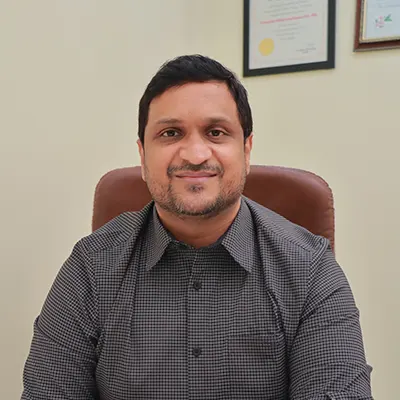
Dr. Puneeth Joopalli
Senior Consultant – Vascular Surgery
Varicose Veins – Frequently Asked Questions
They are enlarged, twisted or bulging superficial veins, usually in the legs, associated with abnormal venous blood flow and valve dysfunction.
Visible enlarged veins, heaviness, aching, mild swelling, itching, burning or cramps can occur, especially after prolonged standing.
Weak or damaged valves can allow blood to flow backward and increase pressure in the leg veins. Age, family history, pregnancy, excess weight and prolonged standing or sitting can increase risk.
They are often not an emergency, but complications such as skin changes, ulcers, bleeding, superficial thrombosis and less commonly deep vein thrombosis can occur.
Established varicose veins generally persist, although symptoms can improve with movement, leg elevation and other supportive measures.
Prolonged standing can increase pressure in the lower-limb veins, which may make aching, heaviness and swelling more noticeable.
A clinical examination and duplex ultrasound are commonly used to assess the veins, blood flow and reflux and to plan treatment when an intervention is considered.
There is no single simple stage sequence for everyone. Clinicians look at findings such as visible veins, swelling, skin changes, ulcers and other features of chronic venous disease.
Depending on symptoms and vein anatomy, treatment may include movement and symptom measures, compression in selected situations, endovenous thermal ablation, foam sclerotherapy, phlebectomy or surgery.
Yes. Minimally invasive options such as endovenous laser or radiofrequency ablation and selected forms of sclerotherapy can treat suitable veins without conventional vein stripping.
Yes. Pregnancy can increase venous pressure and make varicose veins more noticeable. Symptoms often improve after pregnancy, while invasive treatment is generally deferred except for exceptional medical reasons.
Arrange an evaluation for persistent or worsening pain, swelling, skin changes, ulcers, bleeding, a new painful hard vein or symptoms that interfere with daily activities.
Regular walking and avoiding prolonged immobility can support venous circulation and may help symptoms, although exercise does not necessarily remove established varicose veins.
Compression can help symptoms in selected patients but does not remove established varicose veins. Suitability should be assessed, particularly when arterial circulation is a concern.
Some people remain stable, while others may develop persistent symptoms or complications such as skin changes, venous ulcers, bleeding or thrombosis.
Urgent assessment is appropriate for significant bleeding that does not stop, sudden one-sided leg swelling or pain, or sudden chest pain or breathlessness that could indicate a clot.
Latest Health Blogs
Expert-written medical articles from My Health Hospitals
Our Branch Locations
Find the Best Hospital Near You
My Health Hospitals – Kukatpally
H.No 15-24-212, MIG-212, Rd Number 1, K P H B Phase 1, Kukatpally, Hyderabad, Telangana 500072
My Health Hospitals – Tarnaka
H.No:-12-5-30, WhiteHouse, Moula Ali Rd, South Lalaguda, Tarnaka, Secunderabad, Telangana 500017
My Health Assistant