
-
 Kphb Branch
+91 9111674111
-
Tarnaka Branch
+91 9100001201
- Book Appointment
+91 9111674111
+91 9100001201
General Medicine
Diabetes can develop gradually, and some people may have few or no noticeable symptoms at first. Recognizing common warning signs can help you decide when blood glucose testing and medical evaluation are appropriate.
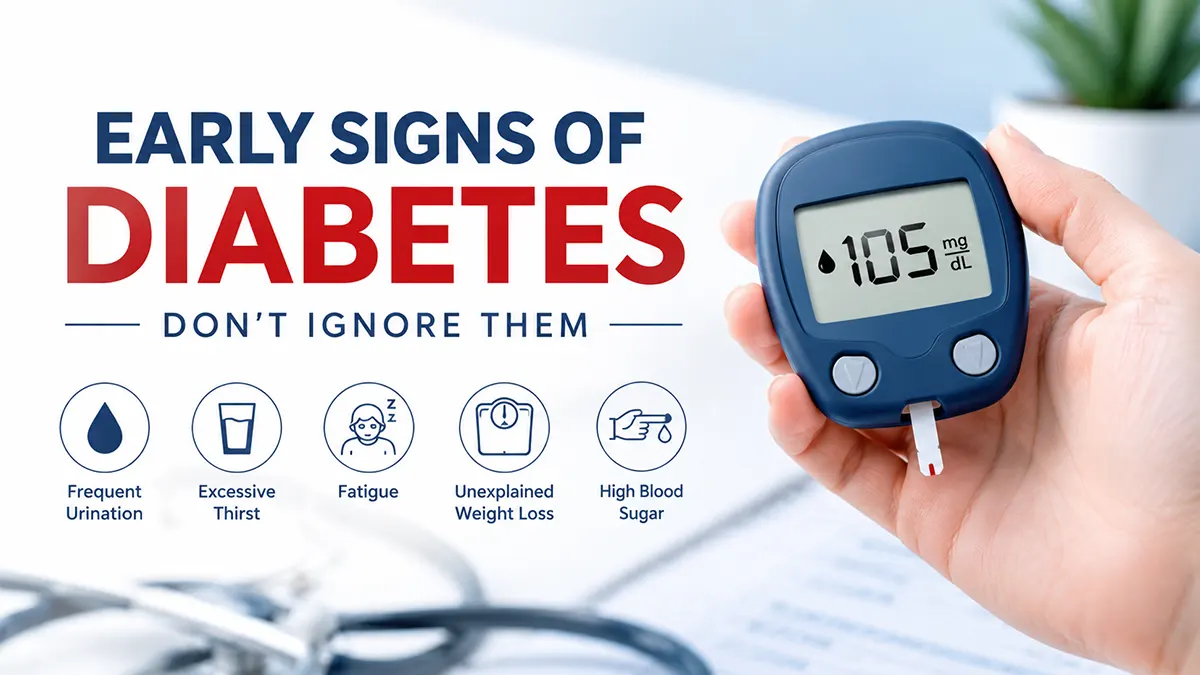
Diabetes is a group of conditions in which blood glucose levels become too high because the body does not make enough insulin, does not use insulin effectively, or both. Persistent high blood glucose can affect blood vessels and organs over time.
Type 1, type 2 and gestational diabetes have different causes and management approaches. Prediabetes means blood glucose is above the normal range but below the diagnostic threshold for diabetes. Symptoms alone cannot confirm which condition a person has.
Yes. Especially with type 2 diabetes, symptoms may be mild or absent for a long time. Testing is important when risk factors or symptoms are present.
These symptoms can occur with diabetes, but they are not specific to diabetes. A blood test is needed to establish a diagnosis.
One of the earliest signs of diabetes is frequent urination, especially at night. High blood sugar causes the kidneys to work harder, leading to increased urine production.
Frequent urination causes dehydration, making you feel thirsty throughout the day even after drinking plenty of water.
The body's cells cannot use glucose efficiently, causing constant hunger even after eating regular meals.
Sudden weight loss without changes in diet or exercise may occur because the body starts using fat and muscle for energy.
Without proper glucose utilization, the body lacks energy, resulting in persistent tiredness and weakness.
High blood sugar levels can affect the eyes, causing blurry vision and increasing the risk of diabetic eye disease.
Cuts, bruises, and infections that take longer to heal may indicate poor blood sugar control and reduced circulation.
People with diabetes are more susceptible to skin infections, urinary tract infections, gum disease, and fungal infections.
Long-term high blood sugar can damage nerves and lead to diabetic neuropathy.
Dark, velvety skin patches around the neck, underarms, or groin may indicate insulin resistance and prediabetes.
This condition is known as Acanthosis Nigricans and is commonly associated with Type 2 Diabetes.
If several symptoms occur together, persist, or are accompanied by a diabetes risk factor, arrange a medical evaluation rather than relying on symptoms alone. Seek urgent care for severe weakness, confusion, vomiting, difficulty breathing, or other rapidly worsening symptoms.
Diabetes is one of the fastest-growing health concerns worldwide, affecting millions of people every year. In India, the number of people diagnosed with diabetes continues to rise due to lifestyle changes, unhealthy eating habits, obesity, stress, and genetic factors. Unfortunately, many people ignore the early symptoms of diabetes until serious complications develop.
Recognizing the warning signs of diabetes early can help you seek timely medical care, control blood sugar levels, and prevent complications affecting the heart, kidneys, eyes, nerves, and blood vessels. Early diagnosis and proper treatment can significantly improve your quality of life and reduce the risk of long-term health problems.
Diabetes is a chronic metabolic disorder that occurs when the body cannot properly produce or use insulin, resulting in elevated blood sugar (glucose) levels. Insulin is a hormone produced by the pancreas that helps move glucose from the bloodstream into the body's cells for energy.
Without proper insulin function, glucose builds up in the blood and can eventually damage vital organs and blood vessels.
Among these, Type 2 Diabetes is the most common and often develops gradually, making the early symptoms easy to overlook. Understanding the warning signs can help individuals seek medical attention before serious complications occur.
While diabetes can affect anyone, certain health conditions, lifestyle factors, and family history can significantly increase the risk of developing Type 2 Diabetes and Prediabetes. Understanding these risk factors can help you take preventive steps and seek early medical screening.
Having a parent, sibling, or close family member with diabetes increases your likelihood of developing the condition.
Excess body weight, particularly around the abdomen, can lead to insulin resistance and higher blood sugar levels.
People with hypertension are more likely to develop diabetes and related cardiovascular complications.
Abnormal cholesterol levels are closely linked to insulin resistance and metabolic disorders.
Lack of regular physical activity increases the risk of obesity, insulin resistance, and diabetes.
Women with Polycystic Ovary Syndrome (PCOS) have a higher chance of developing insulin resistance and Type 2 Diabetes.
Women who experienced diabetes during pregnancy have a greater risk of developing Type 2 Diabetes later in life.
Risk increases with age, but diabetes can occur in younger adults and children. Screening should be based on age, risk factors, symptoms and clinical guidance.
If you have one or more of these risk factors, regular blood sugar testing can help detect diabetes or prediabetes early. Early diagnosis allows timely treatment, lifestyle modifications, and prevention of complications affecting the heart, kidneys, nerves, eyes, and blood vessels.
Many people remain undiagnosed for years because diabetes symptoms often develop gradually. During this time, high blood sugar levels can silently damage vital organs and blood vessels. Early detection and proper treatment can significantly reduce the risk of serious health complications and improve long-term health outcomes.
Early diabetes management helps protect kidney function and reduces the risk of diabetic kidney disease and kidney failure.
Controlling blood sugar levels lowers the risk of heart disease, high blood pressure, and other cardiovascular complications.
Proper diabetes treatment helps maintain healthy blood vessels and reduces the likelihood of stroke.
Good blood glucose management can help reduce the risk of diabetic neuropathy, which causes tingling, numbness, and pain in the hands and feet.
Regular monitoring and treatment can reduce the risk of diabetic retinopathy and vision loss.
Knowing your diagnosis helps guide appropriate treatment, monitoring and lifestyle changes.
Timely treatment, regular blood sugar monitoring, healthy eating habits, and an active lifestyle can significantly reduce the risk of long-term diabetes complications. If you notice any warning signs of diabetes, consult a qualified diabetes specialist for evaluation and screening.
Many people ignore early diabetes symptoms, assuming they are caused by stress, aging, or lifestyle changes. However, seeking medical attention at the right time can help prevent serious complications and improve long-term health outcomes.
You should consult a diabetes specialist if you experience any of the following symptoms:
Early screening through blood sugar tests can help identify diabetes or prediabetes before serious complications occur.

If diabetes is suspected, your doctor may recommend specific blood tests to measure glucose levels and evaluate your risk of diabetes or prediabetes.
Measures blood glucose levels after fasting for at least 8 hours.
Provides the average blood sugar levels over the previous 2–3 months.
Measures blood sugar levels at any time of the day regardless of meals.
Evaluates how your body processes glucose after consuming a sugary drink.
These tests help determine whether you have diabetes or prediabetes, allowing timely treatment and lifestyle modifications.
While some risk factors such as genetics cannot be changed, healthy lifestyle habits can significantly lower your risk of developing Type 2 Diabetes.
Even a modest amount of weight loss can improve insulin sensitivity and help regulate blood sugar levels.
Aim for regular physical activity appropriate for your health and fitness level to improve glucose utilization and overall health.
Choose nutrient-rich foods that support healthy blood sugar control.
Limit sugary drinks, refined carbohydrates, and processed foods.
Long-term stress can affect hormone levels and make blood sugar management more difficult.
Routine blood sugar screenings help identify diabetes and prediabetes at an early stage.
Avoid smoking, limit alcohol consumption, get adequate sleep, and maintain a healthy daily routine.
Clear answers about symptoms, screening, diagnosis and when to seek medical advice.
Common symptoms include increased thirst, frequent urination, increased hunger, fatigue, unexplained weight loss and blurred vision. Some people, particularly with type 2 diabetes, may have no obvious symptoms.
Yes. Type 2 diabetes can develop gradually and may cause few noticeable symptoms. Screening can detect abnormal blood glucose even when a person feels well.
No. Frequent urination has many possible causes. When it occurs with increased thirst, fatigue or unexplained weight loss, diabetes testing may be appropriate.
When blood glucose is high, the kidneys may excrete more glucose into urine, drawing water with it. This can contribute to increased urination and thirst.
Yes. Unexplained weight loss can occur when the body cannot use glucose effectively and begins using stored fat and other energy sources. Other causes are also possible.
Yes. Changes in blood glucose can temporarily affect the lens and cause blurred vision. Persistent or sudden vision changes should be medically evaluated.
Fatigue can occur with diabetes, but it is a nonspecific symptom with many possible causes. Persistent fatigue should be assessed in context.
Increased hunger can occur when glucose is not entering cells effectively. It is not specific to diabetes, so testing is needed when diabetes is suspected.
Possible symptoms include thirst, frequent urination, fatigue, blurred vision, increased hunger, slow-healing wounds and unexplained weight loss. Some people have no symptoms.
Yes. Children and teenagers can develop diabetes, including type 1 diabetes and, increasingly, type 2 diabetes. Symptoms or risk factors should be discussed with a healthcare professional.
Common diagnostic tests include fasting plasma glucose, HbA1c and an oral glucose tolerance test. A random plasma glucose test can also be used in certain situations.
Not necessarily. Diagnosis depends on the test, the result and the clinical situation. Abnormal results may need confirmation according to accepted diagnostic criteria.
Prediabetes often has no clear symptoms. Blood glucose testing is the reliable way to identify it.
Stress can trigger hormones that affect blood glucose, particularly in people with diabetes. Persistent high readings should not automatically be attributed to stress without evaluation.
Diabetes can impair healing and increase infection risk, particularly when blood glucose is persistently elevated. A wound that is slow to heal should be assessed.
Long-standing high blood glucose can contribute to nerve damage called diabetic neuropathy. New or persistent numbness, burning or pain should be evaluated.
Consider medical evaluation if you have symptoms suggestive of diabetes, abnormal glucose results, significant risk factors, or difficulty controlling known diabetes.
Type 1 diabetes is not currently preventable. The risk of type 2 diabetes can often be reduced through healthy eating, regular physical activity, weight management when appropriate and recommended screening.
Diabetes can occur at any age. Screening recommendations depend on age and individual risk factors, and symptoms warrant evaluation regardless of age.
The core symptoms can be similar in men and women. Some diabetes-related complications and associated conditions may differ, but symptoms alone cannot diagnose diabetes.
Expert-written medical articles from My Health Hospital


Find the Best Hospital Near You
H.No 15-24-212, MIG-212, Rd Number 1, K P H B Phase 1, Kukatpally, Hyderabad, Telangana 500072
H.No:-12-5-30, WhiteHouse, Moula Ali Rd, South Lalaguda, Tarnaka, Secunderabad, Telangana 500017