-
 Kphb Branch
+91 9111674111
-
Tarnaka Branch
+91 9100001201
- Book Appointment
+91 9111674111
+91 9100001201
Obstetrics & Gynecology
Pregnancy is a crucial time when proper nutrition supports both maternal health and baby development. A structured pregnancy diet chart helps maintain energy, improve immunity, support fetal growth, and prevent complications such as anemia, gestational diabetes, and low birth weight.
Expert guidance from Dr. Swetha Reddy, Senior Obstetrician & Gynecologist with 15+ years of experience at My Health Hospitals, emphasizes balanced nutrition, hydration, and trimester-wise dietary planning for safe pregnancy outcomes.
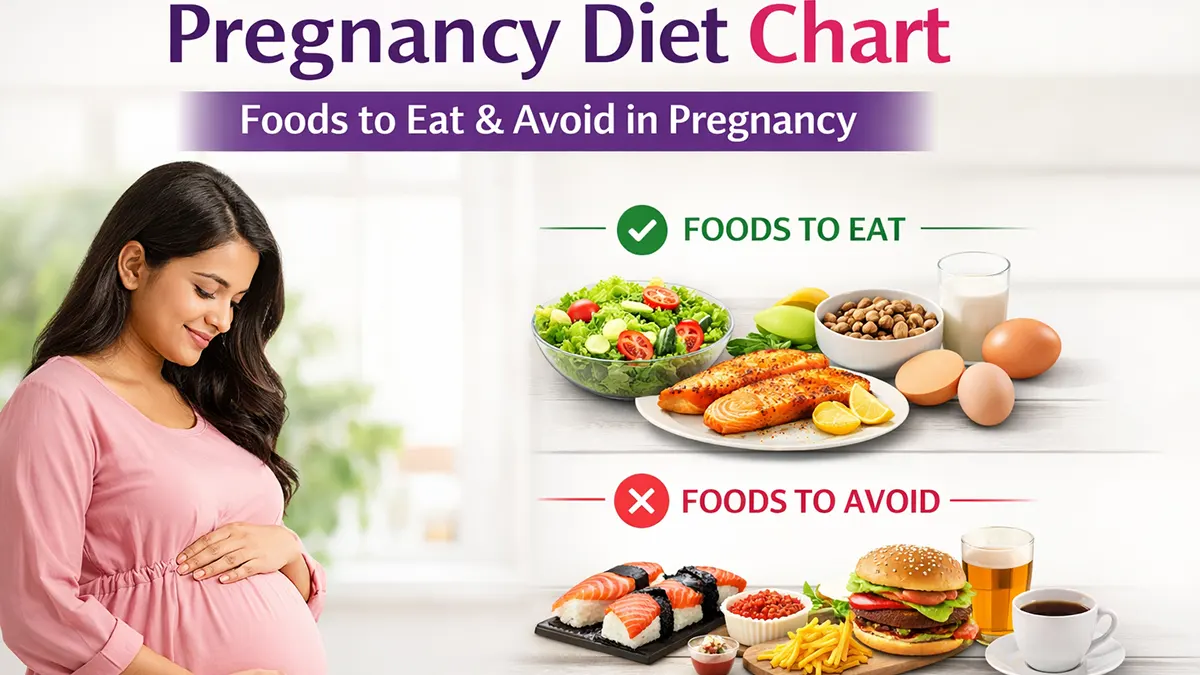
Proper nutrition supports fetal growth, maternal health, and safe pregnancy outcomes.
Essential nutrients help in organ formation and brain development.
Balanced nutrition improves immunity, strength, and energy levels.
Helps control diabetes, blood pressure, and premature risks.
Ensures optimal baby growth and birth weight.
Builds nutrient reserves for successful breastfeeding.
Ensures proper oxygen and nutrient supply to the baby.
A healthy pregnancy diet focuses on nutrient quality rather than quantity. The right balance of vitamins, minerals, and macronutrients supports fetal development, maternal well-being, and positive pregnancy outcomes.
Prevents neural tube defects and supports early brain and spinal cord development.
Daily Requirement: 400–600 mcg
Sources: Spinach, fenugreek, lentils, citrus fruits, fortified cereals, legumes.
Supports increased blood volume and reduces risk of anemia and low birth weight.
Daily Requirement: 27 mg
Sources: Spinach, beetroot, jaggery, pomegranate, dates, legumes, fortified cereals.
Essential for fetal bone and teeth formation and maintaining maternal bone strength.
Daily Requirement: 1000–1200 mg
Sources: Milk, paneer, curd, ragi, sesame seeds, almonds, leafy vegetables.
Supports fetal tissue growth, placenta development, and maternal tissue repair.
Daily Requirement: 75–100 g
Sources: Eggs, dairy, lentils, legumes, soy products, nuts.
Important for fetal brain, eye, and nervous system development.
Daily Requirement: 200–300 mg DHA
Sources: Flaxseeds, walnuts, chia seeds, low-mercury fish options.
Improves digestion and prevents constipation during pregnancy.
Daily Requirement: 25–30 g
Sources: Whole grains, fruits, vegetables, legumes.
Vitamin D supports calcium absorption and bone health. Vitamin C boosts immunity and improves iron absorption. Vitamin B6 helps reduce nausea and morning sickness. Zinc strengthens immune function, while magnesium helps prevent muscle cramps.
Sources include fortified milk, eggs, citrus fruits, bananas, nuts, seeds, whole grains, and leafy vegetables.
Including these essential nutrients in daily pregnancy meals supports healthy fetal growth, reduces complications, and improves maternal health outcomes.
A balanced pregnancy diet should include nutrient-rich foods that support fetal development, maternal health, and overall pregnancy well-being.
Brown rice, oats, millets, quinoa, whole wheat provide energy and fiber.
Rich in vitamins, antioxidants, and fiber for immune and digestive health.
Lentils, paneer, eggs, tofu support fetal tissue growth and placenta development.
Milk, curd, paneer provide calcium and protein for bone development.
Spinach, lentils, jaggery, citrus fruits help prevent anemia.
Nuts, seeds, omega-3 foods support brain and nervous system development.
Whole grains, fruits, vegetables help prevent constipation.
Coconut water, fruits, juices maintain fluid balance.
Makhana, nuts, sprouts help maintain energy levels.
Pregnancy nutrition requirements change in each trimester. A trimester-wise diet ensures the right nutrients support fetal growth, maternal health, and safe delivery.
(Weeks 1–12)
Nutritional Focus: Folic acid, Vitamin B6, iron
(Weeks 13–26)
Nutritional Focus: Protein, calcium, iron, omega-3
(Weeks 27–40)
Nutritional Focus: Fiber, iron, healthy fats
A trimester-wise pregnancy diet supports healthy fetal development, reduces complications, and prepares the body for safe childbirth.
Avoiding unsafe foods during pregnancy helps prevent infections, developmental risks, and pregnancy complications. Knowing what to limit or eliminate ensures better maternal and fetal health outcomes.
Avoid raw eggs, undercooked meat, raw seafood, and unpasteurized dairy to reduce infection risk.
Avoid shark, swordfish, king mackerel. Choose low-mercury fish in moderation.
Raw milk, soft cheese, and unpasteurized juices may carry harmful bacteria.
Limit caffeine intake to 200 mg per day to reduce risk of miscarriage.
Avoid alcohol completely as it can cause fetal developmental disorders.
Limit fried foods, sugary snacks, and high-sodium packaged foods.
Some herbal teas and supplements may trigger uterine contractions or affect fetal development.
Spicy foods, bloating foods, and excessive intake of certain fruits may cause digestive discomfort.
Avoiding high-risk foods during pregnancy helps prevent infections, supports fetal safety, and ensures a healthy pregnancy journey.
Pregnancy nutrition is often influenced by traditional beliefs. Understanding scientific facts helps ensure safe dietary decisions.
Fact: Calorie needs increase gradually, not double.
Fact: Moderate spices support digestion and immunity.
Fact: Ripe papaya is safe when eaten in moderation.
Fact: No scientific evidence supports this belief.
Fact: Moderate exercise improves pregnancy health.
Fact: Balanced diet and fitness are more important.
Maintaining a healthy pregnancy diet requires practical habits that support consistent nutrition, maternal well-being, and optimal fetal development.
Prioritize fresh fruits, vegetables, whole grains, and home-cooked meals over processed foods.
Consuming 5–6 smaller meals daily helps manage nausea, acidity, and bloating.
Choose healthier alternatives like fruits or smoothies instead of processed sweets.
Drink adequate water and include hydrating foods to support amniotic fluid levels.
Eat light, bland foods and include ginger-based options to reduce nausea.
Pair iron-rich foods with Vitamin C and avoid tea or coffee with meals.
Preparing meals ahead helps maintain consistent nutrition during fatigue.
A colorful plate ensures balanced intake of vitamins and minerals.
Adjust portion sizes and food choices based on comfort and symptoms.
Professional guidance helps manage gestational conditions and ensures optimal nutrition.
Consistent healthy eating habits during pregnancy support maternal strength, fetal growth, and safer pregnancy outcomes.
A balanced daily pregnancy meal plan helps maintain energy levels, supports fetal growth, and improves maternal well-being.
Warm water with soaked nuts to boost metabolism and hydration.
Whole grain meal with fresh fruits and milk for sustained energy.
Coconut water or fresh juice to maintain hydration and nutrients.
Rice or roti with dal, vegetables, and curd for balanced nutrition.
Healthy snack with herbal drink to maintain energy levels.
Light protein-rich meal with salad for easy digestion.
Warm milk supports relaxation, calcium intake, and better sleep.
Certain symptoms or medical conditions during pregnancy may require personalized nutritional planning. Early consultation helps improve maternal health, supports fetal growth, and reduces pregnancy complications.
Poor weight gain or excessive weight gain during pregnancy.
Gestational diabetes, thyroid disorders, anemia, or blood pressure issues.
Persistent vomiting, appetite loss, dehydration, or severe fatigue.
Twin pregnancy, previous complications, or chronic health conditions.
Learn more about important stages of early pregnancy and how proper care supports healthy fetal development.
Understand early pregnancy symptoms, implantation, diet tips, and essential medical care during the first month.
Read First Month GuideLearn about fetal organ development, nutrition, symptoms, and important precautions during the second month.
Read Second Month GuideMaintaining a balanced and nutritious diet throughout pregnancy plays a vital role in supporting maternal health and ensuring optimal fetal growth and development. Proper nutritional choices help reduce pregnancy complications, improve energy levels, and prepare the body for childbirth and postpartum recovery.
Every pregnancy is unique, and dietary requirements may vary based on individual health conditions and medical needs. Seeking professional guidance helps ensure that both the mother and baby receive appropriate nutritional support at every stage of pregnancy.
At My Health Hospitals, experienced obstetricians and nutrition specialists provide personalised pregnancy care and dietary guidance to support a safe and healthy pregnancy journey.
Reference: WHO Healthy Diet Guidelines
A healthy pregnancy diet chart includes protein-rich foods, leafy vegetables, fruits, whole grains, dairy products, healthy fats, and adequate hydration. Proper nutrition supports fetal growth and maternal well-being.
Avoid raw or undercooked meat, high-mercury fish, unpasteurized dairy, excessive caffeine, alcohol, and processed junk foods during pregnancy.
Most pregnant women need about 300–350 extra calories per day in the second trimester and around 450 extra calories in the third trimester.
Key nutrients include folic acid, iron, calcium, protein, omega-3 fatty acids, fiber, and essential vitamins.
Yes. A well-planned vegetarian pregnancy diet with lentils, dairy, nuts, seeds, and whole grains can provide essential nutrients.
Pregnant women should drink around 2.5 to 3 liters of fluids daily to maintain hydration and support amniotic fluid levels.
A balanced pregnancy diet helps reduce risks of anemia, gestational diabetes, hypertension, and low birth weight.
Prenatal supplements such as folic acid, iron, and calcium may be advised by doctors based on individual nutritional needs.
Expert-written medical articles from My Health Hospital
Find the Best Hospital Near You
H.No 15-24-212, MIG-212, Rd Number 1, K P H B Phase 1, Kukatpally, Hyderabad, Telangana 500072
H.No:-12-5-30, WhiteHouse, Moula Ali Rd, South Lalaguda, Tarnaka, Secunderabad, Telangana 500017